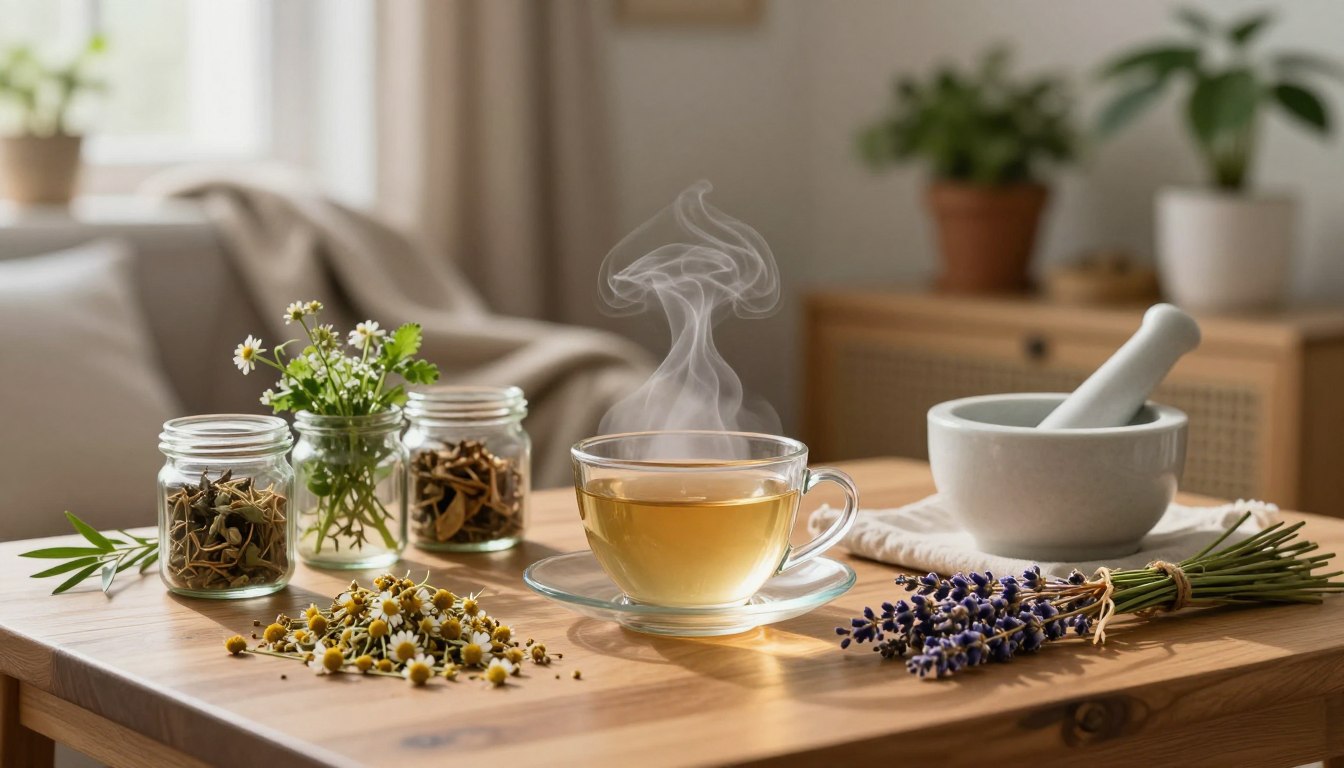
Are you tired of feeling overwhelmed and stressed? In today’s fast-paced world, it’s easy to get caught up in the hustle and bustle of daily life. But what if you could find a natural way to calm your mind and soothe your body?
Nature has provided us with numerous solutions to manage stress and promote relaxation. One of the most effective ways is through the use of natural remedies that have been used for centuries. These remedies can help you unwind and rejuvenate, preparing you to tackle life’s challenges with renewed energy and clarity.
Key Takeaways
- Discover the power of natural remedies for stress relief
- Learn about effective relaxation techniques using herbal solutions
- Explore the benefits of using natural remedies for overall wellbeing
- Understand how to incorporate these remedies into your daily routine
- Find out how natural remedies can improve your mental clarity and focus
Understanding Stress and Its Effects on Wellbeing
Understanding the effects of chronic stress is crucial for maintaining overall wellbeing. Chronic stress can have far-reaching consequences on both physical and mental health.
Physical Symptoms of Chronic Stress
Chronic stress manifests physically in various ways, including headaches, fatigue, and digestive issues. Prolonged exposure to stress hormones like cortisol can lead to cardiovascular problems and a weakened immune system.
Mental and Emotional Impacts
The mental and emotional toll of chronic stress is equally significant. It can lead to anxiety, depression, and mood swings. The constant strain on mental health can impair cognitive function and overall quality of life.
Why Natural Solutions Matter
Given the wide-ranging effects of chronic stress, seeking natural solutions is essential. Natural remedies can provide a safe and effective way to manage stress without the side effects associated with pharmaceuticals.
| Symptoms of Chronic Stress | Physical Effects | Mental/Emotional Effects |
|---|---|---|
| Headaches, Fatigue | Cardiovascular Issues | Anxiety, Depression |
| Digestive Issues | Weakened Immune System | Mood Swings |
https://www.youtube.com/watch?v=3cXGt2d1RyQ
Exploring Herbal Remedies for Stress and Relaxation
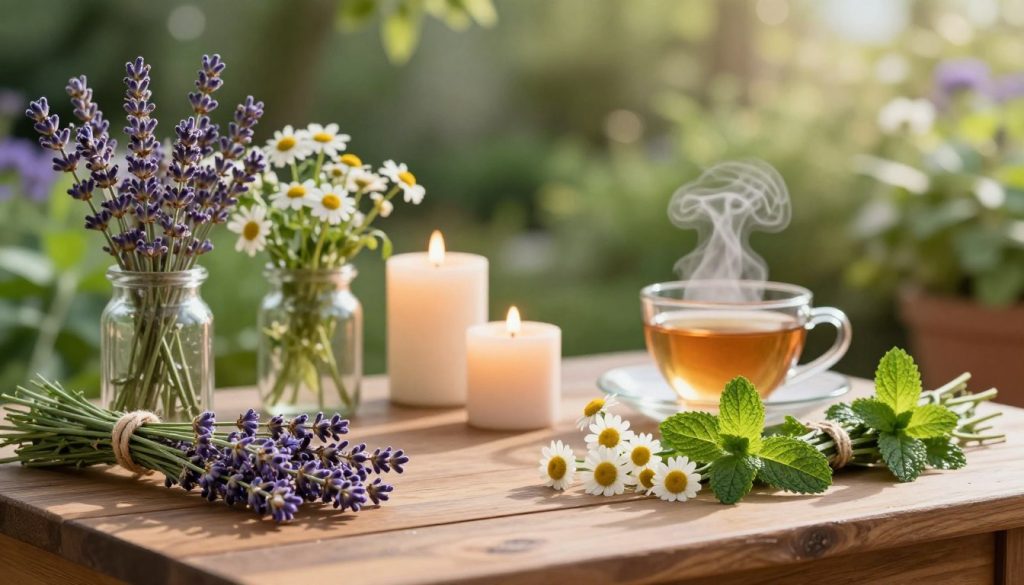
Herbal remedies are gaining recognition for their potential in reducing stress and enhancing relaxation. The use of herbs for stress relief dates back centuries, with various cultures developing their own unique blends and techniques.
How Adaptogenic Herbs Balance Your System
Adaptogenic herbs play a crucial role in balancing the body’s response to stress. These herbs, such as Ashwagandha and Rhodiola, work by regulating the body’s stress response system, helping to maintain homeostasis. By supporting the adrenal glands and enhancing the body’s resilience to stress, adaptogenic herbs can help reduce fatigue and improve overall wellbeing.
Active Compounds That Combat Stress
Herbs contain a variety of active compounds that contribute to their stress-relieving properties. For example, Lavender contains linalool and linalyl acetate, which have a calming effect on the nervous system. Similarly, Chamomile contains apigenin, an antioxidant that binds to GABA receptors, promoting relaxation. Understanding these compounds can help in selecting the most effective herbs for stress relief.
| Herb | Active Compound | Effect |
|---|---|---|
| Lavender | Linalool, Linalyl acetate | Calming effect |
| Chamomile | Apigenin | Promotes relaxation |
| Ashwagandha | Withanolides | Reduces stress and anxiety |
Traditional Wisdom Meets Scientific Research
The use of herbal remedies for stress relief is rooted in traditional wisdom, and modern scientific research is increasingly validating these practices. Studies have shown that certain herbs can have a positive impact on stress markers, such as cortisol levels, and can improve symptoms of anxiety and depression. As Dr.
Andrew Weil
notes, “Herbal medicine can be a valuable tool in managing stress and promoting overall health.”
By combining traditional knowledge with scientific evidence, we can develop effective herbal strategies for managing stress and enhancing relaxation.
10 Powerful Herbs to Reduce Stress Naturally
For centuries, various cultures have relied on the power of herbs to combat stress and anxiety. These natural remedies offer a holistic approach to managing stress, promoting relaxation, and enhancing overall wellbeing.
Ashwagandha: The Ancient Stress Fighter
Ashwagandha is renowned for its adaptogenic properties, helping the body to resist stressors and promoting balance. It has been shown to reduce cortisol levels, enhance energy, and improve overall resilience.
Dosage and Preparation Tips
For optimal benefits, consider taking 300-500 mg of ashwagandha extract twice daily, or as directed by a healthcare professional.
Lavender: Aromatherapy for Instant Calm
Lavender is celebrated for its calming effects, often utilized in aromatherapy to soothe the mind and body. Its relaxing properties can help reduce anxiety and promote a restful sleep.
Methods of Application
Lavender can be applied topically through massage oils or added to bath water for a relaxing soak. It can also be inhaled directly from a cloth or handkerchief.
Chamomile: Nature’s Gentle Sedative
Chamomile is a gentle herb that has been used for centuries to calm the nerves and soothe digestive issues. Its anti-inflammatory properties can also help with skin irritations.
Valerian Root: The Sleep Enhancer
Valerian root is a powerful herb known for its ability to improve sleep quality. It works by enhancing the body’s natural production of GABA, a neurotransmitter that helps regulate sleep.
Lemon Balm: For Uplifting Mood
Lemon balm is a member of the mint family and is known for its uplifting properties. It can help reduce stress and anxiety while promoting a sense of calm and focus.
Holy Basil (Tulsi): Sacred Stress Relief
Holy basil, also known as tulsi, is revered in Ayurvedic medicine for its ability to reduce stress and promote spiritual growth. It is rich in antioxidants and has been shown to reduce cortisol levels.
Passionflower: Anxiety’s Natural Enemy
Passionflower is a climbing vine that has been used for centuries to treat anxiety and insomnia. Its flavonoids and alkaloids work together to provide a calming effect on the nervous system.
Rhodiola: For Energy and Resilience
Rhodiola is an adaptogenic herb that helps the body adapt to stress, enhancing mental performance, and reducing fatigue. It is known to improve mood and overall sense of wellbeing.
Kava: Pacific Relaxation Tradition
Kava has been used for centuries in the Pacific Islands to promote relaxation and reduce anxiety. Its active compounds, known as kavalactones, work by affecting the brain’s limbic system.
St. John’s Wort: Mood Support
St. John’s Wort is a herb that has been used for centuries to support mood health. It is known to help alleviate mild depression and anxiety by influencing neurotransmitter levels.
These herbs offer a natural and holistic approach to managing stress and promoting relaxation. By incorporating them into your daily routine, you can enhance your resilience to stress and improve your overall wellbeing.
- Ashwagandha for stress resistance
- Lavender for aromatherapy
- Chamomile for calming
- Valerian Root for sleep enhancement
- Lemon Balm for mood upliftment
- Holy Basil for stress relief
- Passionflower for anxiety
- Rhodiola for energy and resilience
- Kava for relaxation
- St. John’s Wort for mood support
Step-by-Step Guide to Preparing Herbal Remedies
Preparing herbal remedies at home can be a simple and rewarding process with the right guidance. By following a few straightforward steps, you can create effective herbal teas, tinctures, bath soaks, and essential oil blends to help manage stress and promote relaxation.
1. Brewing Effective Herbal Teas and Infusions
Brewing herbal teas is an art that requires some basic knowledge. To start, you’ll need a few simple pieces of equipment.
Equipment You’ll Need
- A tea infuser or strainer
- A teapot or mug
- High-quality dried herbs
Perfect Brewing Temperatures
The ideal brewing temperature varies depending on the herb. For example, delicate herbs like chamomile require lower temperatures (around 212°F), while roots and barks need boiling water.
2. Creating Potent Tinctures and Extracts
Tinctures are concentrated herbal extracts made using a solvent like alcohol or glycerin. To make a tincture, combine your chosen herb with the solvent in a jar, and let it steep for several weeks, shaking the jar daily.
3. Crafting Relaxing Bath Soaks and Sachets
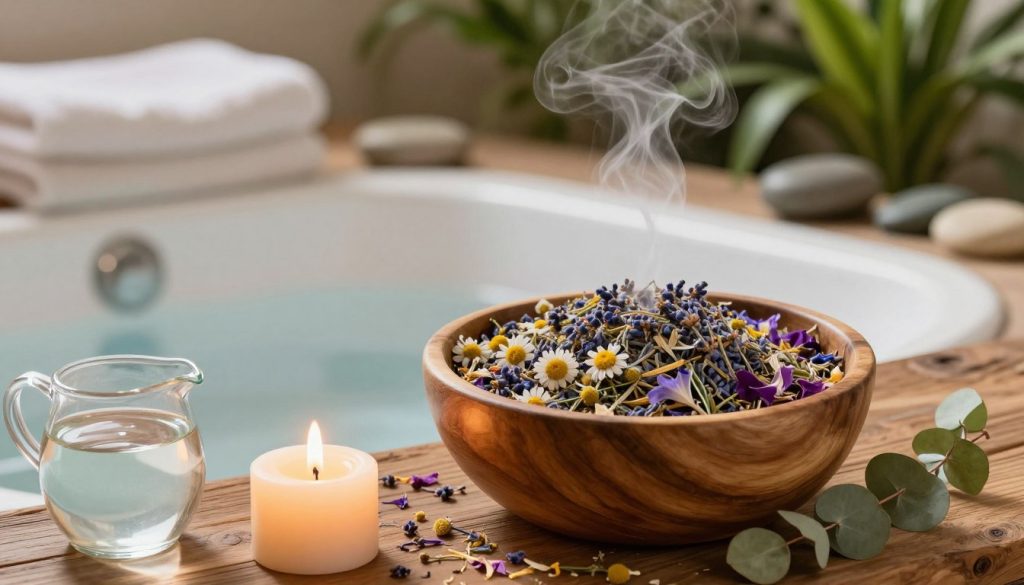
Bath soaks and sachets can enhance your relaxation routine. To create a bath soak, mix dried herbs with Epsom salt and baking soda. For sachets, fill small cloth bags with dried herbs and place them in your bathwater or closet.
4. Proper Essential Oil Applications
Essential oils can be used in various ways, including diffusion, topical application, and addition to bath water. However, they must be used safely.
Dilution Guidelines for Safety
Always dilute essential oils with a carrier oil before applying them to your skin. A general dilution ratio is 3-5 drops of essential oil per ounce of carrier oil.
By following these steps and guidelines, you can create your own herbal remedies at home, tailored to your specific needs for stress relief and relaxation.
Daily Herbal Protocols for Managing Stress
Daily herbal protocols offer a natural approach to managing stress throughout the day. By incorporating specific herbs into your morning, midday, and evening routines, you can maintain energy, reduce stress, and promote relaxation.
Morning Ritual: Energizing Herbs for Focus
Starting your day with energizing herbs can help you stay focused and alert. Herbs like ginseng and yerba mate are known for their invigorating properties. You can consume them as teas or add them to your breakfast smoothie.
- Ginseng: Enhances vitality and mental clarity
- Yerba Mate: Provides a natural energy boost
Midday Reset: Quick Stress-Busting Techniques
During the midday slump, stress-busting techniques can help you recharge. Herbs like ashwagandha and rhodiola are adaptogens that help your body adapt to stress. You can take them in capsule form or as a stress-relief tea.
Evening Wind-Down: Relaxation Herbs and Methods
In the evening, relaxation herbs can help you unwind and prepare for a restful night’s sleep. Herbs like chamomile and lavender are known for their calming effects. Enjoy them as a soothing tea or add a few drops of their essential oils to your bath.
“A calm mind is the result of a calm body.” – Unknown
Safety Considerations and Potential Side Effects
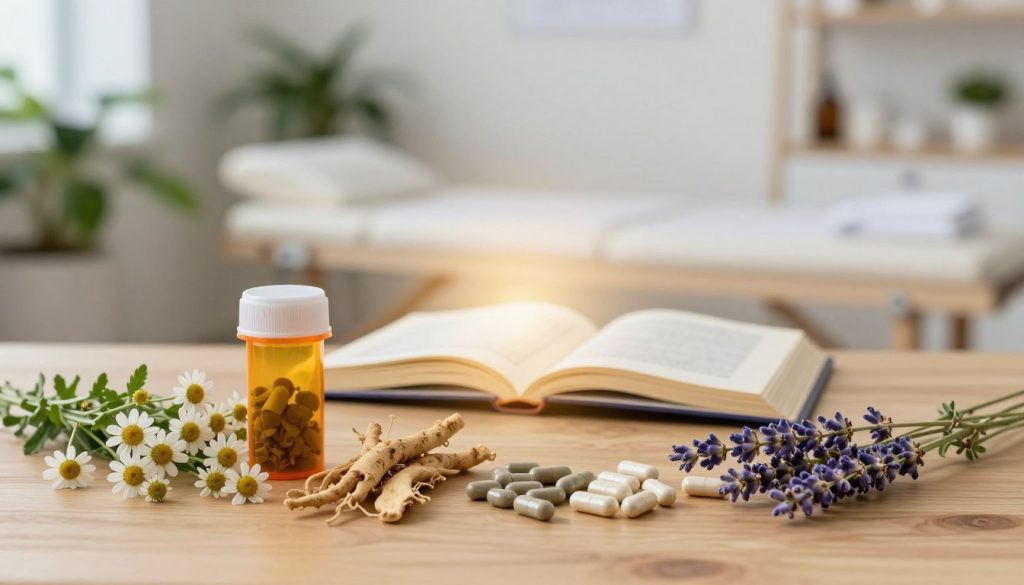
Understanding the safety considerations of herbal remedies is essential for their effective and safe use. While these natural solutions can offer significant benefits for stress relief and relaxation, they can also interact with medications, have side effects, and not be suitable for everyone.
Important Herb-Drug Interactions to Know
Certain herbal remedies can interact with prescription medications, either enhancing their effects or causing adverse reactions. For instance, St. John’s Wort can interact with antidepressants, blood thinners, and certain cancer medications, reducing their efficacy or increasing the risk of side effects. It’s crucial to inform your healthcare provider about any herbal remedies you’re using or planning to use.
Contraindications for Specific Populations
Some herbal remedies are not suitable for everyone, particularly for certain populations.
Pregnancy and Nursing Concerns
Pregnant or nursing women should be cautious with herbal remedies, as some can affect the fetus or baby. For example, black cohosh is not recommended during pregnancy due to its potential to stimulate uterine contractions.
Considerations for Children and Elderly
Children and the elderly may require adjusted dosages, and certain herbs may be contraindicated due to age-related health conditions. For instance, kava has been associated with liver damage and is generally not recommended for children.
| Population | Herbal Remedy | Concern |
|---|---|---|
| Pregnant/Nursing Women | Black Cohosh | Uterine contractions |
| Children | Kava | Liver damage |
| Elderly | Ginkgo Biloba | Bleeding risk |
When to Consult a Healthcare Professional
It’s advisable to consult a healthcare professional before starting any herbal remedy, especially if you have a chronic health condition, are taking medications, or belong to a sensitive population. They can provide guidance on safe use, potential interactions, and appropriate dosages.
Enhancing Your Herbal Stress Relief Routine
A comprehensive approach to stress management involves not just herbal remedies, but also mindfulness, exercise, and proper nutrition. By combining these elements, you can create a robust stress relief strategy that addresses both body and mind.
Combining Herbs with Mindfulness Practices
Mindfulness practices, such as meditation and deep breathing, can significantly enhance the effectiveness of herbal stress relief. Herbs like lavender and chamomile can promote relaxation, making it easier to engage in mindfulness activities. Regular mindfulness practice can also reduce stress and anxiety, creating a positive feedback loop that amplifies the benefits of herbal remedies.
Movement and Exercise Synergies
Physical activity is a natural stress reliever that can complement herbal remedies. Exercise releases endorphins, which improve mood and reduce stress levels. Activities like yoga combine physical movement with mindfulness techniques, further enhancing stress relief. By incorporating exercise into your routine, you can boost the effectiveness of herbal stress relief.
Supportive Nutrition and Hydration Habits
A balanced diet and adequate hydration are crucial for managing stress. Nutritional habits that support overall health can enhance the body’s response to herbal remedies. Foods rich in omega-3 fatty acids, vitamins, and minerals can help mitigate stress. Additionally, staying hydrated is essential for maintaining energy levels and supporting the body’s natural stress response mechanisms.
Conclusion: Creating Your Personalized Herbal Wellness Plan
As we’ve explored throughout this article, herbal remedies offer a natural and effective way to manage stress and promote relaxation. By understanding the causes of stress, exploring various herbal options, and learning how to prepare and incorporate them into daily life, you can create a personalized wellness plan tailored to your unique needs.
To start, reflect on your personal stress triggers and preferences. Consider the herbs and techniques discussed, such as adaptogenic herbs like ashwagandha, calming teas like chamomile, or soothing essential oils like lavender. You can combine these with mindfulness practices, movement, and supportive nutrition habits to enhance your herbal wellness journey.
By taking a holistic approach to wellbeing, you can develop a comprehensive plan that addresses your physical, emotional, and mental health. Experiment with different herbs and techniques to find what works best for you, and don’t hesitate to consult with a healthcare professional if needed.
Embracing a personalized approach to herbal wellness empowers you to take control of your stress management and overall wellbeing. Start crafting your unique plan today and discover the benefits of a balanced, healthy lifestyle.
Leave a Reply