Author: admin

  • Everyday Herbal Remedies: Safe and Effective

    Everyday Herbal Remedies: Safe and Effective

    Are you looking for a more natural approach to managing your health and wellbeing? With the rise of holistic health solutions, many are turning to natural remedies to complement their traditional healthcare routines.

    Natural remedies have been used for centuries to promote health and alleviate various ailments. This article will explore some of the most effective and safe herbal remedies for everyday use, providing you with a comprehensive guide to incorporating these solutions into your daily life.

    Key Takeaways

    • Discover the benefits of using natural remedies for everyday health issues.
    • Learn about the most effective herbal remedies and their uses.
    • Understand how to safely incorporate these remedies into your daily routine.
    • Explore the connection between holistic health solutions and overall wellbeing.
    • Get tips on choosing the right natural remedies for your specific needs.

    The Healing Power of Plant Medicine

    The therapeutic potential of plants has been harnessed for centuries, offering a natural alternative to conventional medicine. Herbal medicine has been a cornerstone of traditional healing practices worldwide, with many cultures relying on the healing power of plants to treat various ailments.

    As we explore the realm of plant medicine, it becomes evident that ancient traditions are being validated by modern science.

    Ancient Traditions Meet Modern Science

    Modern research has begun to validate the efficacy of many traditional herbal remedies, providing a scientific basis for their use. Studies have shown that certain plants contain bioactive compounds with anti-inflammatory and antimicrobial properties, making them effective against a range of health issues.

    Benefits of Choosing Natural Remedies

    Opting for non-toxic remedies derived from plants can offer a safer alternative to synthetic drugs, potentially reducing the risk of adverse reactions. Furthermore, alternative health options that incorporate herbal medicine can promote a more holistic approach to wellness, focusing on prevention and overall health.

    Safe Herbal Remedies for Everyday Use

    As the demand for natural health solutions grows, it’s crucial to understand how to use herbal remedies safely every day. Herbal supplements can be a valuable addition to your health routine, but their safe use requires careful consideration of several factors.

    Defining Safety in Herbal Medicine

    Safety in herbal medicine involves understanding the potential benefits and risks associated with herbal remedies. Quality and sourcing are paramount; herbs that are contaminated or improperly identified can pose serious health risks. According to a study published in the Journal of Ethnopharmacology, “the safety and efficacy of herbal medicines are closely linked to the quality of the herbal materials used.”

    “The safety and efficacy of herbal medicines are closely linked to the quality of the herbal materials used.”

    Identifying Quality Herbs and Products

    To ensure you’re using high-quality herbs, look for products that have been certified by reputable third-party organizations. Certifications like USP or NSF International indicate that the product has met certain standards for quality and purity. When shopping for herbal supplements, it’s also essential to research the manufacturer and read reviews from other customers.

    Certification Description
    USP United States Pharmacopeia certification ensures the product meets standards for quality and purity.
    NSF International NSF International certification verifies the product’s quality, purity, and safety.

    Understanding Proper Dosage and Administration

    Proper dosage and administration are critical to safely using herbal remedies. Always follow the recommended dosage on the product label, and consult with a healthcare professional if you’re unsure. The dosage may vary depending on factors such as age, health status, and the specific herb being used.
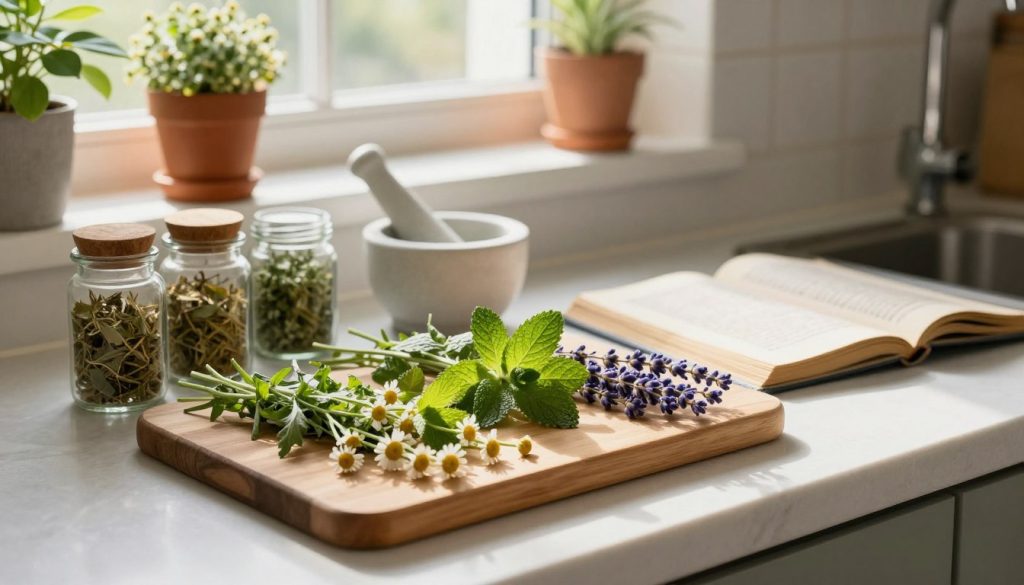
    A serene kitchen countertop filled with a variety of safe herbal remedies. In the foreground, a wooden cutting board holds fresh herbs like chamomile, peppermint, and lavender, alongside small glass jars of dried herbs. In the middle ground, a mortar and pestle sit next to an open herbal guidebook, emphasizing natural healing. In the background, sunlight streams through a window, casting a warm glow across the scene, with a few potted plants on the windowsill adding a touch of greenery. The overall mood is calm and inviting, reflecting a safe and effective approach to using herbs in everyday life. Use a soft focus lens effect to enhance the tranquility of the image, and capture it from a slightly elevated angle to showcase the layout.

    By understanding the factors that contribute to safe herbal remedy use, you can harness the benefits of plant-based medicine while minimizing potential risks.

    10 Essential Herbs for Your Home Pharmacy

    Stocking your home pharmacy with essential herbs is a simple yet powerful way to take control of your health. Natural remedies have been used for centuries to prevent and treat various health concerns, offering a holistic approach to wellbeing.

    Versatile Healing Herbs

    Some herbs stand out for their versatility and wide range of health benefits. These herbs can be used in various forms, from teas and tinctures to salves and infusions, making them invaluable additions to your home pharmacy.

    Echinacea for Immune Support

    Echinacea is renowned for its ability to boost the immune system and fight off infections. It’s commonly used to prevent colds and flu.

    Ginger for Digestion and Inflammation

    Ginger has natural anti-inflammatory properties and is often used to aid digestion and relieve nausea.

    Chamomile for Relaxation and Sleep

    Chamomile is a calming herb that can help promote relaxation and improve sleep quality.

    Peppermint for Digestive Relief

    Peppermint is known for its ability to soothe digestive issues, including bloating and indigestion.

    Turmeric for Pain and Inflammation

    Turmeric contains curcumin, a compound with potent anti-inflammatory and pain-relieving properties.

    Herbal Combinations for Enhanced Effects

    Combining different herbs can enhance their individual effects, creating powerful remedies for various health concerns. For example, combining echinacea with ginger can provide both immune support and anti-inflammatory benefits.

    Experimenting with different herbal combinations can help you find the most effective solutions for your specific health needs.

    Creating Your Own Herbal Remedies

    Creating herbal remedies at home is an empowering way to explore alternative health options. By making your own herbal supplements, you can tailor your health solutions to your specific needs.

    Essential Equipment and Ingredients

    To start making herbal remedies, you’ll need some basic equipment and ingredients. Essential items include a digital scale, glass jars, and a selection of high-quality herbs. Choosing organic and sustainably sourced herbs ensures the best results.

    • Digital scale
    • Glass jars with lids
    • High-quality, organic herbs
    • Carrier oils (e.g., coconut or olive oil)
    • Beeswax

    Step-by-Step Guide to Making Tinctures

    Making tinctures is a straightforward process that involves steeping herbs in a solvent, typically alcohol or glycerin. The ratio of herb to solvent is crucial for the effectiveness of the tincture.

    1. Fill a jar with the chosen herb.
    2. Cover the herb with the solvent, leaving about an inch at the top.
    3. Seal the jar and store it in a cool, dark place for 2-4 weeks, shaking it daily.
    4. Strain the mixture and store the tincture in a dark glass bottle.
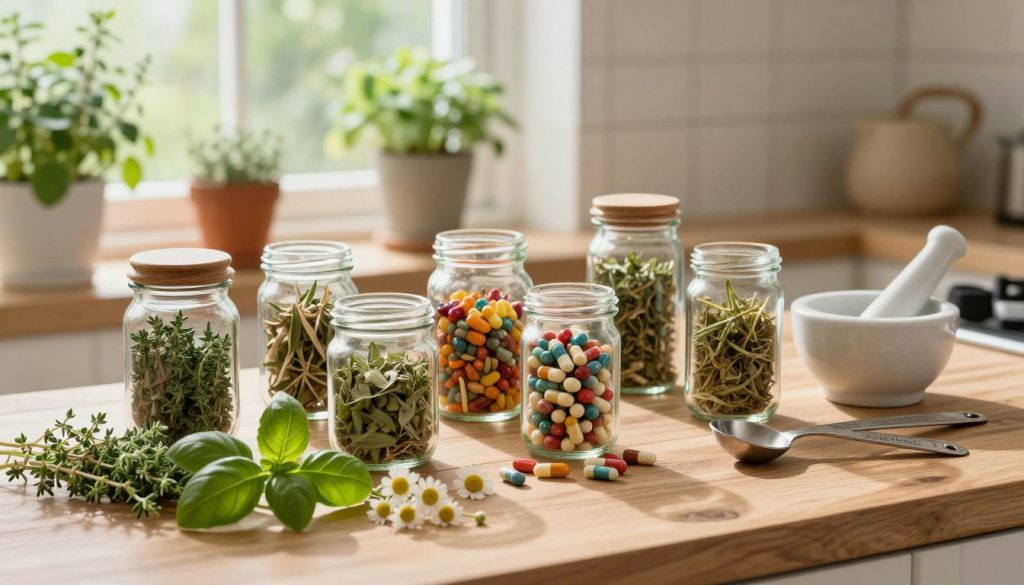
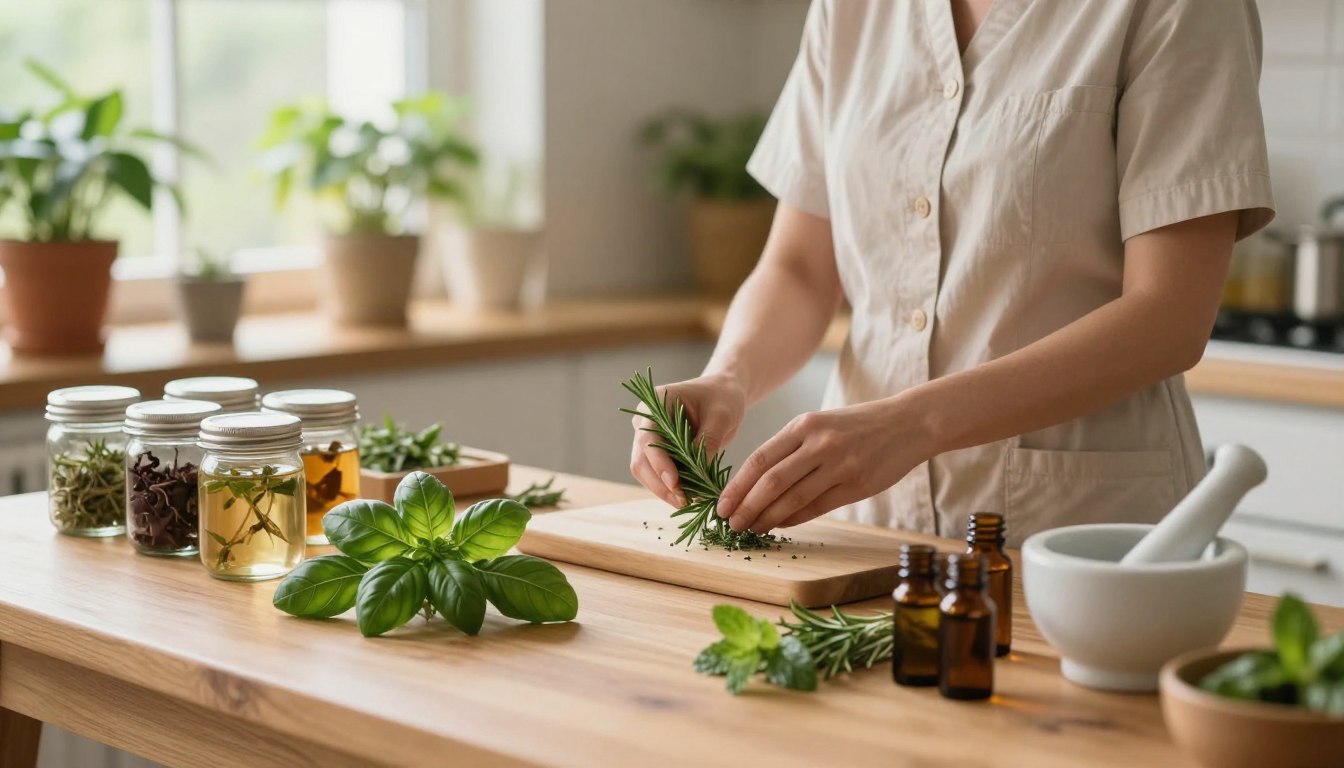
    A serene, well-lit kitchen scene showcasing an array of vibrant herbal supplements in glass jars, neatly arranged on a rustic wooden countertop. In the foreground, fresh herbs like basil, thyme, and chamomile are artfully laid out alongside measuring spoons and a mortar and pestle, emphasizing the process of creating herbal remedies. The middle ground features a few open jars filled with colorful capsules and dried herbs, casting gentle shadows. In the background, soft natural light filters through a window, illuminating potted plants and an herb garden, creating a peaceful and inviting atmosphere. The overall mood is calming and inspiring, encapsulating the essence of homemade herbal wellness in a cozy, organic setting.

    Brewing Effective Herbal Teas and Infusions

    Herbal teas and infusions are simple to make and offer a gentle way to enjoy the benefits of herbs. The key is using the right amount of herb and steeping it for the appropriate amount of time.

    Herb Amount Steeping Time
    Peppermint 1 tablespoon 5-7 minutes
    Chamomile 1 tablespoon 3-5 minutes

    Creating Healing Salves and Balms

    Salves and balms are topical remedies that can be used to soothe skin irritations and promote healing. Combining herbs with nourishing oils and beeswax creates a protective barrier on the skin.

    To make a salve, melt the beeswax and mix it with infused oils and your chosen herbs. Pour the mixture into jars and let it cool before use.

    Natural Solutions for Common Health Concerns

    Incorporating herbal remedies into your daily routine can be a powerful way to address common health issues naturally. Many people are turning to holistic health solutions to manage their well-being without relying heavily on pharmaceuticals.

    Herbal Remedies for Digestive Issues

    Digestive problems are a common affliction, and herbal remedies can offer significant relief. Herbs like peppermint, ginger, and chamomile are known for their soothing effects on the digestive system. Peppermint oil capsules can help alleviate irritable bowel syndrome (IBS) symptoms, while ginger tea can ease nausea and discomfort.

    Plant-Based Relief for Stress and Anxiety

    Stress and anxiety are increasingly prevalent in modern life. Herbal remedies such as ashwagandha and passionflower have been shown to have anxiolytic effects, helping to calm the mind and body. Incorporating these herbs into your routine, perhaps through teas or tinctures, can promote relaxation and reduce stress levels.

    Herbs for Immune Support and Cold Relief

    Maintaining a healthy immune system is crucial, especially during cold and flu season. Herbs like echinacea and elderberry are renowned for their immune-boosting properties. Echinacea can help reduce the severity of colds, while elderberry has antiviral properties that can aid in fighting off infections.

    Natural Pain Management Solutions

    Chronic pain can be debilitating, but natural remedies offer an alternative to conventional painkillers. Turmeric, with its active compound curcumin, has potent anti-inflammatory properties, making it effective for managing pain. Similarly, willow bark contains salicin, which is similar to aspirin and can help alleviate pain and inflammation.

    Herb Health Benefit Common Form
    Peppermint Digestive relief Tea, oil capsules
    Ashwagandha Stress and anxiety relief Tincture, capsules
    Echinacea Immune support Capsules, tea
    Turmeric Pain management Powder, capsules

    Important Safety Considerations

    While herbal remedies offer numerous health benefits, it’s crucial to be aware of potential safety considerations. Herbal medicine, though generally safe, can interact with other medications or have adverse effects in certain individuals. Being informed is key to using these alternative health options effectively.
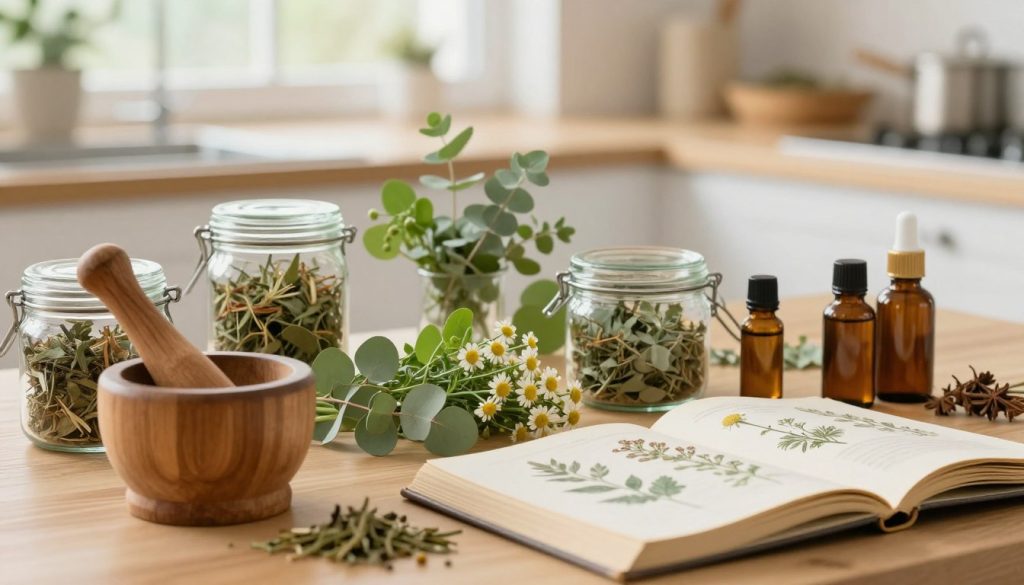
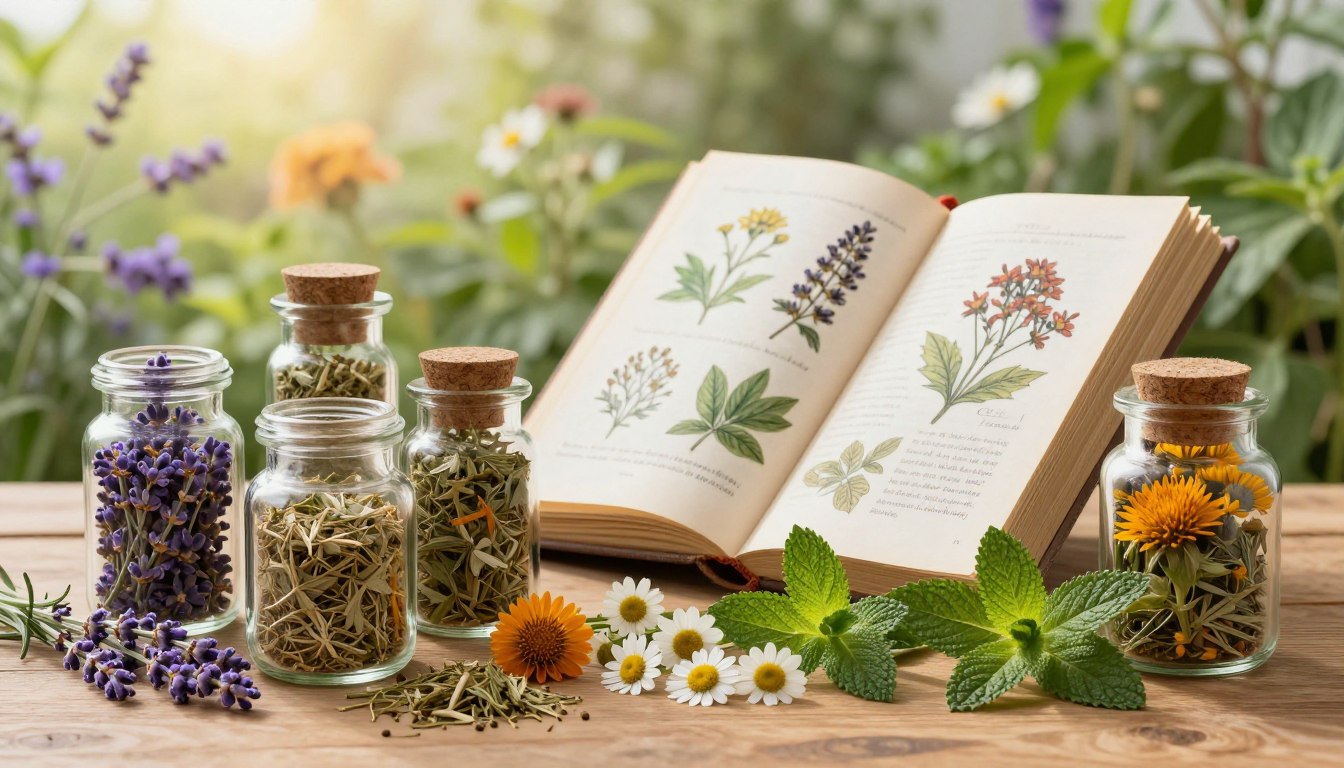
    A serene tabletop scene featuring a selection of various herbal medicines, including dried herbs, jars of tinctures, and fresh plants, arranged thoughtfully. In the foreground, a wooden mortar and pestle sits alongside an open book, displaying illustrations of the herbs. The middle ground showcases vibrant green herbs like eucalyptus and chamomile, while a blurred background reveals a soft-focus kitchen environment with natural light streaming through a window, creating a warm and inviting atmosphere. The scene captures an essence of safety and care in herbal medicine use, emphasizing the importance of knowledge and professionalism in natural remedies. The image is softly lit, evoking a peaceful, healing vibe, suitable for educational purposes.

    Herb-Drug Interactions to Be Aware Of

    Some herbs can interact with prescription medications, either enhancing their effects or reducing their efficacy. For example, St. John’s Wort can interfere with the effectiveness of certain antidepressants and blood thinners. It’s essential to research potential interactions before combining herbal remedies with conventional medications.

    Always check for potential herb-drug interactions to avoid adverse reactions. Consulting a reliable resource or a healthcare professional can provide guidance on safe combinations.

    When to Consult a Healthcare Professional

    It’s advisable to consult a healthcare professional before starting any new herbal remedy, especially if you have underlying health conditions, are pregnant, or are taking other medications. A professional can offer personalized advice based on your health status and medication regimen.

    “The combination of herbal remedies with conventional medicine requires careful consideration and professional guidance to ensure safety and efficacy.”

    By being aware of these factors, you can safely incorporate non-toxic remedies into your health routine, maximizing their benefits while minimizing risks.

    Conclusion

    As we’ve explored throughout this article, incorporating plant-based remedies and herbal supplements into your daily routine can be a safe and effective way to support your overall health and wellness.

    By understanding the benefits and potential risks associated with safe herbal remedies for everyday use, you can make informed decisions about your health and take a proactive approach to maintaining a balanced lifestyle.

    Whether you’re looking to alleviate a specific health concern or simply seeking to enhance your overall well-being, the world of herbal medicine offers a wealth of natural solutions and remedies to explore.

    With the knowledge and insights gained from this article, you’re now empowered to confidently navigate the realm of herbal remedies and unlock their full potential for a healthier, happier you.
    FAQ

    What are some safe herbal remedies for everyday use?

    Some safe herbal remedies for everyday use include echinacea for immune support, ginger for digestion and inflammation, chamomile for relaxation and sleep, and turmeric for pain and inflammation. These herbs are considered safe when used properly and in moderation.

    How do I identify quality herbs and products?

    To identify quality herbs and products, look for organic and non-GMO certifications, and check the ingredient labels for purity and potency. Research the manufacturer’s reputation and read reviews from other customers to ensure you’re getting a high-quality product.

    What is the proper dosage and administration for herbal remedies?

    The proper dosage and administration for herbal remedies vary depending on the herb and the individual’s health status. Always follow the recommended dosage on the product label, and consult with a healthcare professional if you’re unsure. Start with a low dose and gradually increase as needed.

    Can I use herbal remedies if I’m taking prescription medications?

    If you’re taking prescription medications, it’s essential to consult with a healthcare professional before using herbal remedies, as some herbs can interact with medications or exacerbate underlying health conditions. Certain herbs like St. John’s Wort can interact with antidepressants, while others like ginger may interact with blood thinners.

    Are herbal remedies safe for children and pregnant women?

    While some herbal remedies are considered safe for children and pregnant women, others can be toxic or cause adverse effects. Always consult with a healthcare professional before giving herbal remedies to children or using them during pregnancy or breastfeeding. Certain herbs like peppermint and chamomile are generally considered safe, but others like goldenseal should be avoided.

    How can I create my own herbal remedies at home?

    To create your own herbal remedies at home, start by gathering high-quality herbs and essential equipment like a mortar and pestle or a glass jar. Follow a step-by-step guide to making tinctures, teas, or salves, and always follow proper sanitation and storage procedures to ensure the quality and safety of your herbal remedies.

    What are some natural solutions for common health concerns?

    Some natural solutions for common health concerns include herbal teas for digestive issues, aromatherapy for stress and anxiety, and topical creams for pain management. Certain herbs like turmeric and ginger have anti-inflammatory properties, while others like valerian root promote relaxation and sleep.

    How can I ensure the herbal remedies I’m using are non-toxic?

    To ensure the herbal remedies you’re using are non-toxic, research the herb’s potential toxicity and interactions, and follow the recommended dosage. Look for products that have been tested for purity and potency, and consult with a healthcare professional if you’re unsure about the safety of a particular herb or product.
  • Herbal Remedies for Stress & Relaxation

    Herbal Remedies for Stress & Relaxation

    Are you tired of feeling overwhelmed and anxious? In today’s fast-paced world, stress management has become a necessity. Can natural stress relief methods really make a difference?

    Discover how herbal remedies can help alleviate stress and anxiety. This article will explore the most effective natural solutions, providing a comprehensive guide on using these remedies to achieve a more balanced life.

    Key Takeaways

    • Effective herbal remedies for stress relief
    • Natural methods for managing anxiety
    • Benefits of using herbal remedies for relaxation
    • How to incorporate herbal remedies into your daily routine
    • Precautions to consider when using herbal remedies

    Understanding the Impact of Stress on Your Body and Mind

    Chronic stress is a pervasive issue affecting millions worldwide, with far-reaching consequences on both physical and mental health. When stress becomes a constant companion, it can significantly alter the body’s normal functioning, leading to a myriad of health issues.

    How Chronic Stress Affects Your Health

    Chronic stress impacts various bodily systems. It can lead to cardiovascular issues, such as hypertension and heart disease, due to the constant strain on the heart. Moreover, it can weaken the immune system, making the body more susceptible to infections. The table below summarizes some key health impacts of chronic stress.

    System Impact of Chronic Stress
    Cardiovascular Hypertension, Heart Disease
    Immune Weakened Immunity, Frequent Infections
    Nervous Anxiety, Depression, Insomnia

    Why Natural Solutions Are Worth Considering

    Given the adverse effects of chronic stress, it’s essential to explore effective management strategies. Natural solutions, including herbal remedies, offer a promising avenue for stress relief without the side effects associated with pharmaceuticals. These natural approaches can help restore balance to the body’s stress response, promoting overall well-being.

    Embracing natural solutions can be a proactive step towards anxiety relief and improved mental health. By understanding the impact of stress and leveraging natural remedies, individuals can take control of their health, fostering resilience against the pressures of modern life.

    Herbal Remedies for Stress and Relaxation: The Science Behind Their Effectiveness

    The science behind herbal remedies for stress and relaxation reveals a complex interplay between plant compounds and human physiology. Herbal remedies, particularly adaptogenic herbs, have been found to play a significant role in managing stress.

    How Adaptogenic Herbs Balance Your Stress Response

    Adaptogenic herbs work by influencing the body’s stress response system, helping to balance cortisol levels and support neurotransmitter function. Cortisol, often referred to as the “stress hormone,” is crucial in the body’s response to stress.

    The Cortisol Connection

    Adaptogenic herbs like Ashwagandha have been shown to help regulate cortisol levels, mitigating the negative effects of chronic stress on the body. This regulation is key to maintaining a healthy stress response.

    Neurotransmitter Support

    These herbs also support neurotransmitter function, which is vital for mood regulation and responding to stress. By promoting a balance in neurotransmitters, adaptogenic herbs can help alleviate stress and anxiety.

    Research-Backed Benefits of Plant Compounds

    Numerous plant compounds found in herbal remedies have been researched for their stress-relieving properties. For example, flavonoids and terpenes have been shown to have anxiolytic effects.

    • Flavonoids: Found in herbs like passionflower, these compounds have been shown to have a calming effect on the nervous system.
    • Terpenes: Present in lavender, terpenes contribute to the herb’s relaxing properties.

    A serene arrangement of adaptogenic herbs, including ashwagandha, rhodiola, and holy basil, set on a rustic wooden surface. In the foreground, lush green leaves and vibrant herb sprigs blend harmoniously, showcasing their natural textures and rich colors. The middle layer features delicate glass jars filled with herbal powders and tinctures, subtly glistening under soft morning light. In the background, a blurred image of a peaceful herbal garden can be seen, providing an atmosphere of tranquility and wellness. The scene should evoke a sense of calm and relaxation, with warm, natural lighting that casts gentle shadows, inviting the viewer to explore the therapeutic benefits of these herbs. The overall mood should be soothing and rejuvenating.

    By understanding the science behind how these herbal remedies work, individuals can make informed choices about incorporating them into their stress management routine.

    10 Powerful Herbs to Relieve Stress Naturally

    The world of herbalism offers a diverse range of plants that can help mitigate the effects of stress on our bodies and minds. These natural remedies have been used for centuries to promote relaxation, improve mood, and enhance overall well-being.

    Ashwagandha: The Ancient Adaptogen

    Ashwagandha is renowned for its adaptogenic properties, helping the body to adapt to stress and promoting balance in the physiological response to stressors. Studies have shown that ashwagandha can reduce cortisol levels, improve sleep quality, and enhance cognitive function.

    Recommended Forms and Dosages

    Ashwagandha is available in various forms, including capsules, powders, and teas. The recommended dosage varies between 300-500 mg per day, depending on the specific product and individual needs.

    Lavender: Beyond Pleasant Scents

    Lavender is widely recognized for its calming effects, not just through its pleasant aroma but also through its therapeutic properties. Lavender oil can be used in aromatherapy to promote relaxation and reduce anxiety.

    Chamomile: Nature’s Gentle Sedative

    Chamomile has been used for centuries as a natural remedy for insomnia and anxiety. Its soothing effects on the nervous system make it an ideal herb for promoting a good night’s sleep.

    Valerian Root: For Deep Relaxation and Sleep

    Valerian root is a powerful herb that has been used to improve sleep quality and reduce stress. Its sedative properties help in promoting deep relaxation and alleviating insomnia.

    Lemon Balm, Passionflower, and Holy Basil

    Lemon balm, passionflower, and holy basil are other notable herbs used for stress relief. Lemon balm has a calming effect on the nervous system, passionflower is known for its anxiety-reducing properties, and holy basil is revered for its adaptogenic qualities.

    Rhodiola, Kava, and California Poppy

    Rhodiola is recognized for its ability to reduce mental fatigue and improve mental performance. Kava has been traditionally used to alleviate anxiety and promote relaxation. California poppy is known for its sedative effects, helping with sleep and stress relief.

    These ten herbs offer a natural and effective way to manage stress and promote relaxation. By incorporating them into your daily routine, you can take a significant step towards achieving a more balanced and stress-free life.

    How to Prepare Your Own Herbal Remedies at Home

    With a few simple ingredients and some basic knowledge, you can start preparing your own herbal remedies to combat stress and anxiety. Herbal remedies offer a natural way to promote relaxation and improve overall well-being.

    Step 1: Creating Effective Herbal Teas

    Herbal teas are one of the simplest ways to enjoy the benefits of herbs. To make an herbal tea, you’ll need dried or fresh herbs, hot water, and a tea infuser or strainer.

    Single Herb vs. Blended Formulas

    While single-herb teas can be very effective, blending different herbs can create a more complex and potentially more beneficial effect. For example, combining chamomile and lavender can enhance relaxation.

    Step 2: Making Tinctures and Extracts

    Tinctures are concentrated herbal extracts made by steeping herbs in a solvent, usually alcohol or glycerin. They offer a potent way to deliver herbal benefits.

    Step 3: Crafting Herbal Bath Blends and Sachets

    Herbal bath blends can be a relaxing and enjoyable way to unwind. Simply mix dried herbs with Epsom salts and essential oils for a soothing bath experience.

    Step 4: Using Essential Oils for Aromatherapy

    Essential oils can be used in aromatherapy to promote relaxation and reduce stress. Popular essential oils for stress relief include lavender, bergamot, and frankincense.

    Herb Preparation Method Benefit
    Lavender Tea, Tincture, Bath Blend Promotes relaxation and improves sleep
    Chamomile Tea, Tincture Soothes anxiety and promotes calmness
    Valerian Root Tincture, Tea Improves sleep quality and reduces stress

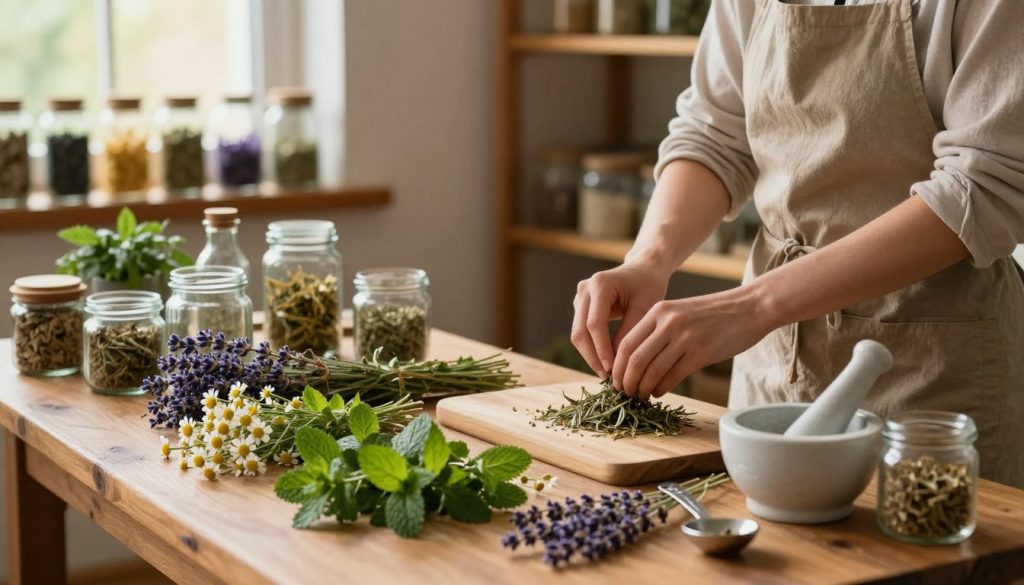
    A cozy kitchen scene showcasing the preparation of herbal remedies. In the foreground, a wooden table is cluttered with fresh herbs like chamomile, lavender, and mint, along with a mortar and pestle, some dried herbs in glass jars, and a small pot of boiling water. A pair of hands, dressed in modest casual clothing, carefully crushes the herbs in the mortar. In the middle ground, a window allows soft, warm sunlight to stream in, casting gentle shadows. In the background, shelves lined with more jars, herbal books, and a potted plant create a homely ambiance. The overall mood is calming and inviting, emphasizing tranquility and the art of natural healing, with a focus on the tactile experience of crafting remedies.

    Creating a Daily Anti-Stress Herbal Protocol

    A well-structured daily herbal routine can be a game-changer in combating stress and anxiety. By incorporating specific herbs at different times of the day, you can create a balanced protocol that supports your overall well-being.

    Morning Routine: Energizing Without Stimulation

    Starting your day with the right herbs can set a positive tone. Consider using adaptogenic herbs like Ashwagandha or Ginseng to boost energy without causing jitters.

    Midday Stress-Busting Techniques

    For midday stress relief, try incorporating herbal teas or tinctures that contain calming herbs like Chamomile or Lavender. These can help you stay focused and calm.

    Evening Wind-Down Ritual for Better Sleep

    As the day ends, an evening wind-down routine can prepare your body for restful sleep. This can include:

    • Herbal teas like Chamomile or Peppermint
    • A warm bath with herbal bath blends
    • Relaxation techniques paired with herbs

    Herbal Sleep Enhancers

    Herbs like Valerian Root and Lavender are known for their sleep-enhancing properties. Incorporating these into your evening routine can significantly improve sleep quality.

    Relaxation Techniques to Pair with Herbs

    Pairing herbal remedies with relaxation techniques such as deep breathing or meditation can enhance their effectiveness. This holistic approach can lead to better stress management and overall well-being.

    Safety Guidelines and Precautions for Herbal Use

    As you explore the world of herbal remedies for stress relief, understanding the safety guidelines is paramount. While herbal remedies can be highly effective, their safe use requires knowledge and caution.

    When to Consult a Healthcare Provider

    Before starting any herbal remedy, it’s essential to consult with a healthcare provider, especially if you have pre-existing health conditions or are taking medications. Certain herbs can interact with medications or exacerbate health conditions. For instance, individuals with bleeding disorders should avoid herbs like garlic and ginger that may thin the blood.

    Important Herb-Drug Interactions to Avoid

    Some herbal remedies can interact with prescription medications, leading to adverse effects. For example:

    • St. John’s Wort can reduce the effectiveness of antidepressants and certain other medications.
    • Ginkgo biloba can interact with blood thinners, increasing the risk of bleeding.

    Being aware of these interactions is crucial for safe herbal use.

    How to Source High-Quality Herbal Products

    Sourcing high-quality herbal products is vital for their effectiveness and safety. Consider the following factors:

    Organic vs. Conventional

    Opting for organic herbal products can reduce exposure to pesticides and other chemicals. However, both organic and conventional products can be effective if sourced from reputable suppliers.

    Reputable Suppliers and Certifications

    Look for products from suppliers that adhere to Good Manufacturing Practices (GMP) and have third-party certifications like NSF International or ConsumerLab.com. These certifications ensure the product’s quality and purity.

    A serene and tranquil herbal workspace featuring a wooden table adorned with various fresh herbs like chamomile, lavender, and peppermint. In the foreground, a person in professional business attire is meticulously labeling jars filled with herbal mixtures, showcasing a focus on safety and organization. The middle ground features herbal books and a notepad, emphasizing education and careful tracking of herbal use. In the background, soft natural light streams through a window, casting gentle shadows, creating an inviting and calming atmosphere. The overall mood should convey careful consideration, safety, and respect for herbal remedies, highlighting a responsible approach to relaxation and stress relief.

    By following these guidelines, you can safely incorporate herbal remedies into your stress management routine, enhancing their benefits while minimizing risks.

    Conclusion

    As we’ve explored throughout this article, herbal remedies offer a natural and effective way to manage stress and promote relaxation. By understanding the impact of stress on our bodies and minds, we can better appreciate the benefits of turning to herbal solutions for relief.

    From ashwagandha to lavender, and valerian root to lemon balm, the world of herbal remedies is rich with options to suit every need. By incorporating these herbs into our daily routines, whether through teas, tinctures, or aromatherapy, we can take significant steps towards achieving a more balanced lifestyle.

    As you consider adopting herbal remedies for stress relief and relaxation, remember to consult with a healthcare provider, especially if you’re sourcing high-quality products or have specific health concerns. With the right approach, herbal remedies can be a powerful tool in your journey towards natural health and well-being.

    FAQ

    What are the best herbal remedies for stress and anxiety?

    Some of the most effective herbal remedies for stress and anxiety include ashwagandha, lavender, chamomile, valerian root, and passionflower. These herbs have been used for centuries to promote relaxation and reduce stress.

    How do adaptogenic herbs work to alleviate stress?

    Adaptogenic herbs, such as ashwagandha and rhodiola, help to balance the body’s stress response by regulating cortisol levels and supporting neurotransmitter function. This can lead to a sense of calm and reduced anxiety.

    Can I use herbal remedies in conjunction with prescription medications?

    It’s essential to consult with a healthcare provider before using herbal remedies with prescription medications, as some herbs can interact with certain medications or exacerbate underlying health conditions.

    How do I prepare herbal teas for stress relief?

    To prepare herbal teas, steep 1-2 teaspoons of dried herbs in boiling water for 5-10 minutes. You can also blend different herbs to create a customized tea that suits your needs.

    Are essential oils safe to use for aromatherapy?

    Essential oils can be safe to use for aromatherapy when used properly. Always dilute essential oils in a carrier oil, and consult with a healthcare provider if you have sensitive skin or allergies.

    How can I ensure I’m sourcing high-quality herbal products?

    To source high-quality herbal products, look for reputable suppliers that adhere to good manufacturing practices (GMPs) and third-party certifications, such as NSF International or the National Science Foundation.

    Can I use herbal remedies during pregnancy or breastfeeding?

    It’s crucial to consult with a healthcare provider before using herbal remedies during pregnancy or breastfeeding, as some herbs can affect the fetus or baby.

    How long does it take to see the effects of herbal remedies for stress relief?

    The time it takes to see the effects of herbal remedies can vary depending on the individual, the specific herb, and the preparation method. Some people may experience benefits within a few days, while others may need to use the herbs consistently for several weeks to notice a difference.
  • Explore the Top Herbal Remedies Explained

    Explore the Top Herbal Remedies Explained

    Are you seeking a more natural approach to health and wellness? In recent years, herbal medicine has gained significant attention for its potential to provide effective and gentle solutions.

    The use of natural treatments has become increasingly popular as people look for alternatives to conventional medicine. Herbal remedies offer a wide range of benefits, from promoting relaxation to supporting immune function.

    Key Takeaways

    • Herbal medicine is a growing field in natural health.
    • Natural treatments offer alternatives to conventional medicine.
    • Herbal remedies provide various health benefits.
    • They can be used to promote relaxation and support immune function.
    • Herbal remedies are becoming increasingly popular.

    Understanding the World of Herbal Medicine

    With a history spanning millennia, herbal medicine continues to be a vital part of global healthcare traditions. The use of plants for healing purposes dates back to ancient civilizations, where they were used not only for their medicinal properties but also for spiritual and cultural practices.

    The Ancient Roots of Herbal Healing

    Herbal healing has its roots in traditional practices passed down through generations. Many cultures have relied on the medicinal properties of plants to treat various health conditions. The knowledge of which plants to use and how to prepare them has been preserved through oral traditions and written records.

    How Herbal Remedies Work in the Body

    Herbal remedies work by introducing active compounds into the body, which then interact with biological systems to produce therapeutic effects. Understanding how these compounds work is crucial to appreciating the value of herbal medicine.

    Active Compounds in Medicinal Plants

    Medicinal plants contain a variety of active compounds, including alkaloids, glycosides, and terpenes. These compounds are responsible for the therapeutic effects of herbal remedies.

    Bioavailability and Absorption Factors

    The effectiveness of herbal remedies depends on the bioavailability of their active compounds. Factors such as the method of preparation, the presence of other compounds, and individual digestive health can influence how well these compounds are absorbed by the body.

    Active Compound Plant Source Therapeutic Effect
    Alkaloids Turmeric, Ginger Anti-inflammatory
    Glycosides Foxglove, Senna Cardiac and Laxative Effects
    Terpenes Lavender, Peppermint Calming and Digestive Aid

    The Most Popular Herbal Remedies Explained

    As we explore the most popular herbal remedies, it’s essential to understand what makes them stand out and whether they are backed by science. The popularity of an herbal remedy can be influenced by various factors, including cultural traditions, marketing, and personal recommendations.

    What Makes a Remedy “Popular” and Effective

    A remedy becomes popular often due to a combination of its perceived effectiveness, cultural significance, and ease of access. For instance, ginger has been widely used for digestive issues, not just because of its efficacy but also due to its availability and cultural acceptance.

    The effectiveness of herbal remedies can be attributed to their bioactive compounds. For example, Turmeric contains curcumin, which has potent anti-inflammatory properties.

    Scientific Research Behind Herbal Treatments

    Scientific research plays a crucial role in validating the effectiveness of herbal remedies. Studies on Echinacea, for instance, have shown its potential in boosting the immune system, although results are mixed.

    A vibrant display of popular herbal remedies, featuring an assortment of fresh herbs and dried plants. In the foreground, include recognizable herbs like chamomile, peppermint, and echinacea, beautifully arranged in clay pots and burlap sacks. The middle ground will show a wooden table adorned with mortar and pestle, where crushed herbs are visible, alongside a few natural oil bottles. In the background, softly blurred botanical illustrations of the herbs add depth. Use warm, natural lighting to create a cozy, inviting atmosphere, reminiscent of a tranquil herbal apothecary. The image should be well-composed, with a shallow depth of field, focusing on the richness and textures of the herbs and materials.

    A comprehensive review of scientific literature reveals that some herbal remedies have robust evidence supporting their use, while others lack substantial backing.

    Herbal Remedy Traditional Use Scientific Evidence
    Ginger Digestive aid Anti-inflammatory properties
    Turmeric Anti-inflammatory Curcumin’s anti-inflammatory effects
    Echinacea Immune booster Mixed results on immune system support

    Distinguishing Between Traditional Use and Proven Benefits

    It’s crucial to differentiate between the traditional use of herbal remedies and their proven benefits through scientific research. While traditional use provides valuable insights, scientific validation is essential for understanding their true efficacy and safety.

    By combining traditional knowledge with modern scientific research, we can better understand the potential benefits and limitations of popular herbal remedies.

    Powerful Herbs for Immune Support

    Supporting immune function through herbal remedies is a practice rooted in tradition and backed by science. Certain herbs have been used for centuries to boost our body’s natural defenses against illness.

    Echinacea: The Cold Fighter

    Echinacea is one of the most popular herbs for immune support, known for its ability to fight off the common cold. It comes in various forms, making it versatile for different needs.

    How to Use: Teas, Tinctures, and Capsules

    You can enjoy echinacea as a soothing tea, take it as a tincture for a more concentrated dose, or opt for capsules for convenience. Here are some ways to incorporate it into your routine:

    • Drink echinacea tea at the first sign of a cold
    • Take 20-30 drops of echinacea tincture three times a day
    • Follow the recommended dosage on echinacea capsules

    Elderberry: Nature’s Flu Remedy

    Elderberry is renowned for its effectiveness against the flu. It’s rich in antioxidants and has antiviral properties.

    Preparing Elderberry Syrup at Home

    Making elderberry syrup at home is simple and rewarding. Here’s a basic recipe:

    1. Combine elderberries with water and simmer
    2. Strain the mixture and mix with honey
    3. Store the syrup in the refrigerator

    Astragalus: The Long-Term Immune Builder

    Astragalus is a herb that supports long-term immune health. It’s often used in traditional Chinese medicine to enhance the body’s natural defenses.

    By incorporating these herbs into your daily routine, you can take a proactive approach to supporting your immune system. Whether you’re looking to prevent illness or recover from it, echinacea, elderberry, and astragalus offer powerful natural solutions.

    Herbal Solutions for Stress and Anxiety

    In today’s fast-paced world, stress and anxiety have become unwelcome companions for many, making natural remedies like herbal solutions increasingly appealing. Herbal remedies offer a gentle yet effective approach to managing stress and anxiety.

    Ashwagandha: The Adaptogen Powerhouse

    Ashwagandha is renowned for its adaptogenic properties, helping the body to adapt to stress and promoting balance. Studies have shown that ashwagandha can significantly reduce cortisol levels, thereby alleviating stress.

    Recommended Forms and Dosages

    Ashwagandha is available in various forms, including capsules, powders, and teas. The recommended dosage varies, but typically ranges from 300 to 500 mg per day.

    Valerian Root: Nature’s Tranquilizer

    Valerian root is a natural sedative, known for its ability to promote relaxation and improve sleep quality. It works by enhancing the effects of GABA, a neurotransmitter that helps regulate calmness.

    Lavender: Calming Mind and Body

    Lavender is celebrated for its calming properties, often used in aromatherapy to reduce anxiety. Inhaling lavender oil can have a soothing effect on the mind and body.

    Creating a Lavender Sleep Sachet

    To create a lavender sleep sachet, simply fill a small cloth bag with dried lavender flowers and place it near your pillow. This can help promote a restful night’s sleep.

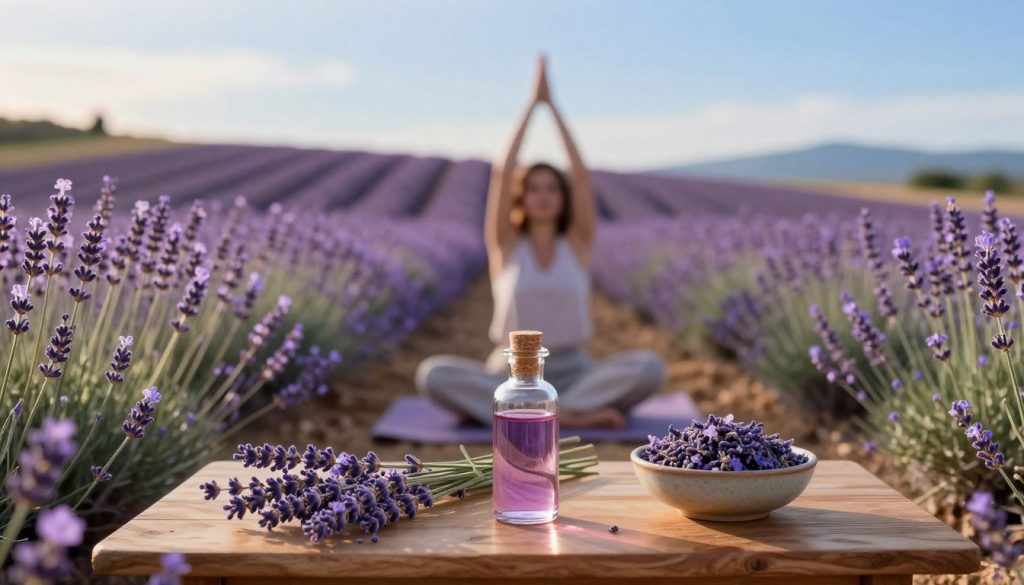
    A serene scene depicting a beautifully arranged lavender field during the golden hour, with soft, warm sunlight illuminating the blossoms, creating a calming atmosphere. In the foreground, a wooden table holds a delicate glass bottle of lavender essential oil alongside fresh lavender sprigs and a small ceramic bowl of dried lavender buds. In the middle ground, a tranquil person in modest casual attire practices yoga, surrounded by the aromatic lavender, embodying relaxation and mindfulness. The background features rolling hills dotted with lavender plants under a clear blue sky, enhancing the peaceful vibe. The overall mood is soothing and rejuvenating, inviting viewers to experience the stress-relieving essence of lavender.

    Digestive Health Herbs and Their Applications

    Herbal remedies have been used for centuries to support digestive health, offering a natural solution to common problems. Various herbs have been found to alleviate symptoms of digestive discomfort, promoting overall well-being.

    Ginger: The Versatile Digestive Aid

    Ginger is renowned for its digestive benefits, helping to alleviate nausea and reduce inflammation. To harness its benefits, you can make a soothing ginger tea.

    Step-by-Step Fresh Ginger Tea Recipe

    • Slice a 1-inch piece of fresh ginger.
    • Boil 2 cups of water in a pot.
    • Add the sliced ginger to the boiling water.
    • Reduce heat and simmer for 5-7 minutes.
    • Strain the tea into a cup and enjoy.

    Peppermint: Soothing Intestinal Discomfort

    Peppermint is another herb that is highly effective in soothing digestive issues, particularly intestinal discomfort. Its calming effects can help reduce symptoms of irritable bowel syndrome (IBS).

    Fennel: The Gas and Bloating Reliever

    Fennel seeds are known to relieve gas and bloating, making it a popular remedy for digestive discomfort. You can make fennel seed water to aid digestion.

    Making Fennel Seed Water for Digestion

    1. Crush 1 teaspoon of fennel seeds.
    2. Add the crushed seeds to 1 cup of boiling water.
    3. Let it steep for 5-10 minutes.
    4. Strain and drink the water.

    By incorporating these herbs into your daily routine, you can promote digestive health and alleviate common digestive issues. Whether through teas, infusions, or simply adding them to your meals, these natural remedies can make a significant difference.

    How to Properly Prepare Herbal Remedies

    Preparing herbal remedies at home can be a rewarding experience, allowing you to harness the full potential of nature’s medicine. With a few simple steps, you can create effective remedies that promote health and wellness.

    Step 1: Selecting Quality Herbs

    The quality of your herbal remedies starts with the herbs themselves. Look for high-quality, organic herbs that are free from contaminants and pesticides. Consider sourcing herbs from reputable suppliers or growing your own.

    Step 2: Making Effective Herbal Teas and Infusions

    Herbal teas and infusions are among the simplest ways to prepare herbal remedies. To make an effective tea, use 1-2 teaspoons of dried herb per cup of boiling water. Steep for 5-10 minutes, depending on the herb, and strain before drinking.

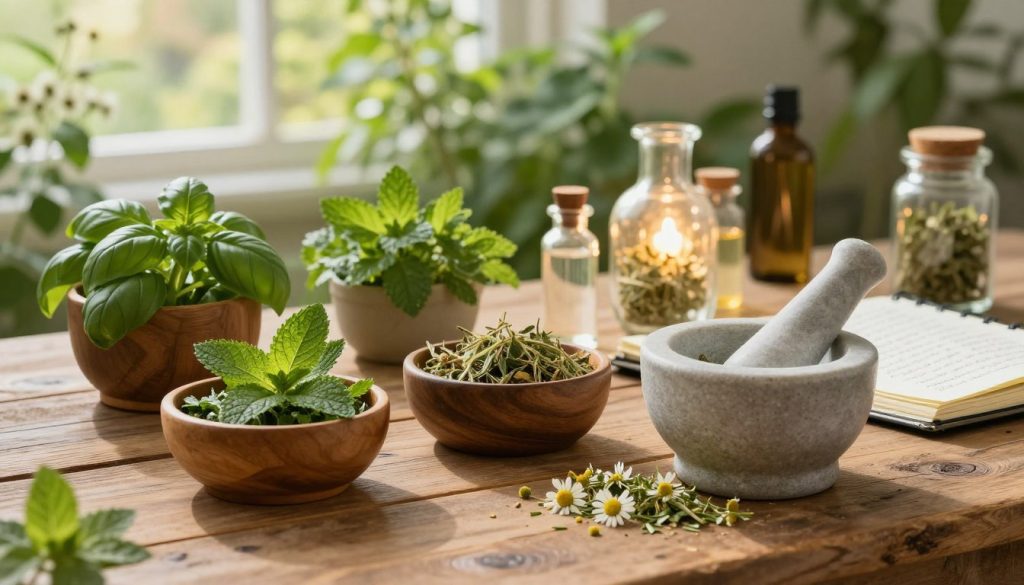
    A beautifully arranged scene of herbal preparations on a rustic wooden table, featuring an assortment of fresh herbs such as basil, peppermint, and chamomile in wooden bowls and glass jars. In the foreground, a mortar and pestle made of smooth stone, with crushed herbs scattered nearby, highlighting the preparation process. In the middle ground, delicate glass vials and a notebook with handwritten notes about herbal remedies, softly glowing in warm, natural light from a nearby window. The background features a blurred herbal garden with lush green foliage and soft sunlight filtering through, creating a tranquil and inviting atmosphere. The color palette is warm and earthy, evoking a sense of calm and wellness, ideal for illustrating the art of herbal remedy preparation.

    Step 3: Creating Tinctures and Extracts

    Tinctures are concentrated herbal extracts made by steeping herbs in a solvent, usually alcohol or glycerin. To create a tincture, combine 1 part herb with 2 parts solvent in a clean glass jar. Store in a cool, dark place for 2-4 weeks, shaking daily.

    Equipment Needed for Home Preparations

    To prepare herbal remedies at home, you’ll need a few basic pieces of equipment, including a glass jar, cheesecloth, and a measuring cup. For tinctures, you’ll also need a solvent and a dropper bottle.

    Step 4: Proper Storage of Herbal Preparations

    Proper storage is crucial to maintaining the potency of your herbal remedies. Store teas and infusions in airtight containers in a cool, dark place. Tinctures should be kept in dark glass bottles, away from direct sunlight.

    Safety Considerations When Using Herbal Treatments

    The safety of herbal treatments is a multifaceted issue that involves understanding potential herb-drug interactions and product quality. While herbal remedies can offer numerous health benefits, they can also pose risks if not used properly.

    Potential Herb-Drug Interactions to Watch For

    Herbal remedies can interact with prescription medications, sometimes leading to adverse effects. For instance, St. John’s Wort can interfere with the efficacy of certain antidepressants and blood thinners.

    Identifying Quality Herbal Products

    To ensure safety, it’s crucial to identify high-quality herbal products. This involves:

    • Checking for third-party certifications like NSF International or ConsumerLab.com
    • Reading labels carefully for ingredients and instructions
    • Being aware of the manufacturer’s reputation

    Reading Labels and Certifications

    Understanding labels and certifications is key to making informed decisions. Look for clear ingredient lists and any relevant certifications that ensure the product meets certain standards.

    When to Consult a Healthcare Professional

    It’s advisable to consult a healthcare professional before starting any herbal treatment, especially if you’re already on medication or have a chronic health condition. They can provide guidance on safe usage and potential interactions.

    Conclusion: Integrating Herbal Remedies Into Your Wellness Routine

    As we’ve explored throughout this article, herbal remedies offer a natural and effective way to enhance overall health and well-being. By understanding the various herbs and their applications, you can create a personalized wellness routine that incorporates the benefits of herbal medicine.

    To start integrating herbal remedies into your daily life, begin by identifying your specific health needs, whether it’s immune support, stress relief, or digestive health. Then, explore the various herbal options available, such as Echinacea, Ashwagandha, or Ginger, and choose the ones that best suit your requirements.

    Proper preparation and safety considerations are also crucial when using herbal remedies. By following the guidelines outlined in this article, you can ensure a safe and effective herbal remedies integration into your wellness routine.

    By incorporating herbal remedies into your daily routine, you can take a proactive approach to maintaining your health and promoting overall wellness. Start your herbal journey today and experience the benefits of a more balanced and healthy lifestyle.

    FAQ

    What are herbal remedies?

    Herbal remedies are natural treatments derived from plants, used to promote health and wellness. They have been used for centuries in various cultures and are becoming increasingly popular as a complementary approach to conventional medicine.

    How do herbal remedies work in the body?

    Herbal remedies work by utilizing the bioactive compounds present in plants, which interact with the body’s biochemical processes to produce therapeutic effects. These compounds can help restore balance, alleviate symptoms, and support overall health.

    Are herbal remedies safe to use?

    While herbal remedies are generally considered safe, they can interact with medications, exacerbate certain health conditions, or cause allergic reactions in some individuals. It’s essential to consult with a healthcare professional before using herbal remedies, especially if you’re taking prescription medications or have underlying health concerns.

    How do I choose high-quality herbal products?

    To choose high-quality herbal products, look for products that are labeled with certifications like Good Manufacturing Practice (GMP) or those that have been tested by third-party organizations. Reading labels carefully, researching the manufacturer, and consulting with a healthcare professional can also help ensure you’re getting a quality product.

    Can I prepare herbal remedies at home?

    Yes, many herbal remedies can be prepared at home using simple techniques like making teas, infusions, or tinctures. However, it’s crucial to follow proper preparation methods, use high-quality herbs, and store your preparations correctly to ensure their potency and safety.

    What are some common herbal remedies for immune support?

    Echinacea, elderberry, and astragalus are popular herbal remedies used to support immune function. Echinacea is often used to help combat colds, while elderberry is believed to have antiviral properties that can help alleviate flu symptoms. Astragalus is used to build long-term immune resilience.

    How can herbal remedies help with stress and anxiety?

    Herbal remedies like ashwagandha, valerian root, and lavender have been traditionally used to alleviate stress and anxiety. Ashwagandha is an adaptogen that helps the body adapt to stress, while valerian root and lavender promote relaxation and improve sleep quality.

    Are there any herbal remedies for digestive issues?

    Yes, herbs like ginger, peppermint, and fennel are commonly used to support digestive health. Ginger has natural anti-inflammatory properties, peppermint can help soothe intestinal discomfort, and fennel can relieve gas and bloating.
  • Natural Herbal Remedies for Daily Wellness

    Natural Herbal Remedies for Daily Wellness

    Are you seeking a more holistic approach to maintaining your overall health and wellbeing? In today’s fast-paced world, it’s easy to overlook the simple, yet effective ways to enhance our daily lives. Embracing the power of plants can be a great starting point.

    For centuries, various cultures have relied on traditional herbal practices to promote health and vitality. By exploring these time-tested methods, you can discover new ways to support your wellbeing and foster a deeper connection with nature.

    Key Takeaways

    • Discover the benefits of using plants for overall health
    • Explore traditional practices for promoting wellbeing
    • Learn how to incorporate herbal methods into your daily routine
    • Understand the importance of a holistic approach to health
    • Find simple ways to enhance your daily life using herbal wellness

    Understanding the Power of Herbal Medicine

    The use of herbal remedies dates back thousands of years, with roots in traditional medicine practices around the world. This long history is a testament to the enduring appeal and effectiveness of natural health solutions.

    The History of Herbal Remedies in Traditional Medicine

    Herbal remedies have been an integral part of traditional medicine across various cultures. In ancient civilizations such as Egypt, China, and Greece, herbs were used not only for their medicinal properties but also for spiritual and ceremonial purposes. The knowledge of herbal medicine was passed down through generations, with each contributing to the rich tapestry of holistic remedies.

    For example, the Echinacea plant has been used by Native Americans for centuries to boost immunity and treat various infections. Similarly, Turmeric has been a staple in Ayurvedic medicine for its anti-inflammatory properties.

    Herb Traditional Use Modern Application
    Echinacea Immune system support Boosts immunity, fights off infections
    Turmeric Anti-inflammatory Reduces inflammation, antioxidant properties
    Ginger Digestive aid Relieves nausea, aids digestion

    Science Behind Plant-Based Healing

    Modern science has begun to validate the effectiveness of herbal remedies through rigorous studies. The bioactive compounds in plants are responsible for their healing properties. For instance, the active compound curcumin in turmeric has potent anti-inflammatory and antioxidant effects.

    Research into herbal medicine has shown promising results in various areas, including immune system support, anti-inflammatory responses, and antioxidant activity. As we continue to explore the science behind plant-based healing, we uncover new ways to integrate these natural health solutions into our daily lives.

    Essential Herbs for Natural Herbal Remedies for Daily Wellness

    Herbal remedies have been a cornerstone of traditional medicine for centuries, offering natural solutions for modern-day wellness challenges. Incorporating these herbs into daily routines can significantly enhance overall health and well-being.

    Adaptogenic Herbs for Stress Management

    Adaptogenic herbs are known for their ability to help the body adapt to stress, promoting balance and resilience. These herbs have been used for centuries in traditional medicine to combat fatigue, anxiety, and mental fogginess.

    How to Use Ashwagandha, Rhodiola, and Holy Basil

    Ashwagandha, Rhodiola, and Holy Basil are renowned adaptogens. Ashwagandha can be consumed as a capsule or powder, added to smoothies or tea. Rhodiola is often taken in capsule form or as a tincture. Holy Basil can be enjoyed as a tea or added to meals.

    Recommended Dosages and Timing

    The recommended dosage varies: Ashwagandha (300-500 mg daily), Rhodiola (100-200 mg daily), and Holy Basil (300-600 mg daily). Timing is typically morning and early afternoon to avoid interference with sleep.

    “Adaptogens are herbs that help the body adapt to stress and promote balance in the body’s physiological processes.”

    Dr. Andrew Weil

    Immune-Boosting Herbal Allies

    Certain herbs are celebrated for their immune-boosting properties, helping to protect against infections and support overall health.

    Echinacea, Elderberry, and Astragalus Preparations

    Echinacea is often used in teas and tinctures. Elderberry is commonly consumed as a syrup or supplement. Astragalus can be added to soups or taken as a capsule.

    Seasonal Protocols for Immune Support

    Using these herbs seasonally can enhance their effectiveness. For example, increasing Echinacea intake during cold season or using Elderberry during flu season.

    Herb Preparation Seasonal Use
    Echinacea Tea, Tincture Cold Season
    Elderberry Syrup, Supplement Flu Season
    Astragalus Soup, Capsule Year-round

    Herbs for Digestive Health

    Herbs can play a significant role in maintaining digestive health, alleviating symptoms of indigestion, bloating, and other gastrointestinal issues.

    Ginger, Peppermint, and Chamomile Applications

    Ginger can be used in teas, soups, or as a spice. Peppermint is often consumed as tea or in capsule form. Chamomile tea is a soothing remedy for digestive discomfort.

    Creating Digestive Bitters and Teas

    Digestive bitters can be made by infusing herbs like Gentian or Angelica in alcohol. Herbal teas can be blended with herbs like Ginger, Peppermint, and Chamomile for a soothing digestive aid.

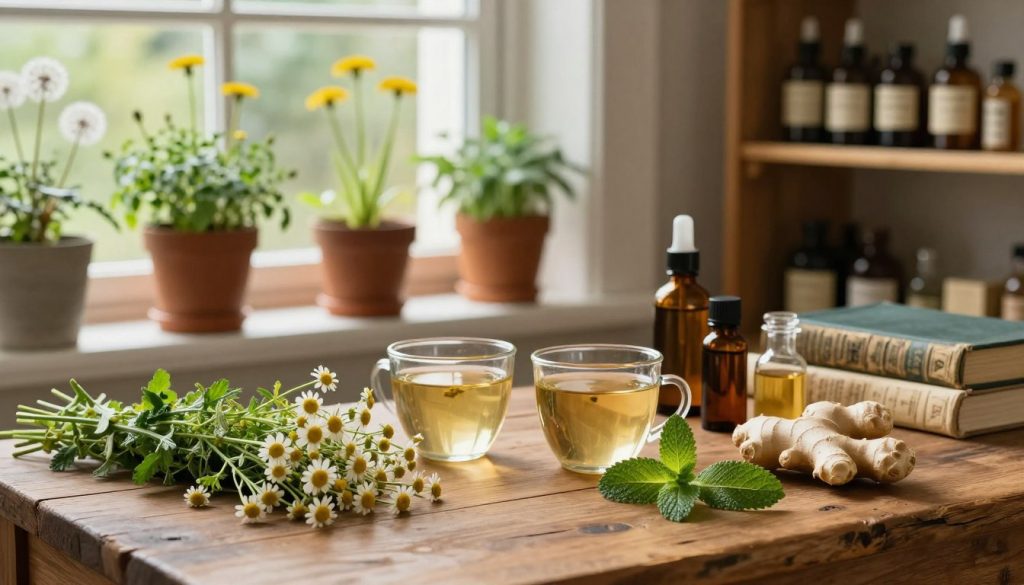
    A serene and inviting herbal study setting filled with a variety of essential herbs for digestive health. In the foreground, a rustic wooden table displays fresh chamomile flowers, ginger roots, and peppermint leaves artfully arranged alongside small glass jars filled with herbal teas and tinctures. In the middle ground, softly illuminated by warm natural light filtering through a nearby window, potted plants like fennel and dandelion sit on a windowsill, enhancing the atmosphere of wellness. The background features shelves filled with antique apothecary bottles and reference books, contributing to a cozy, knowledge-infused environment. The overall mood is calm, nurturing, and organic, inviting viewers to explore the benefits of herbal remedies for daily wellness.

    By incorporating these essential herbs into daily routines, individuals can take proactive steps towards achieving better wellness and health.

    Creating Your Home Herbal Apothecary

    A home herbal apothecary is more than just a collection of herbs; it’s a gateway to a healthier, more natural lifestyle. By setting up your own apothecary, you can take the first step towards a more holistic approach to wellness.

    Essential Tools and Supplies

    To get started, you’ll need some basic tools and supplies. These include:

    • Mortar and pestle for grinding herbs
    • Glass jars for storing dried herbs and preparations
    • Measuring cups and spoons for accurate dosing
    • A scale for weighing ingredients
    • Cheesecloth or a coffee filter for straining

    Having these essentials on hand will make preparing and storing your herbal remedies efficient and enjoyable.

    Sourcing Quality Herbs

    The quality of your herbs directly impacts the effectiveness of your remedies. Sourcing high-quality herbs is crucial.

    Identifying Reputable Suppliers

    Look for suppliers who provide organic, sustainably sourced herbs. Check for third-party testing and certification to ensure purity and potency.

    Growing Your Own Medicinal Plants

    For those with the space and interest, growing your own medicinal herbs can be a rewarding experience. It allows for complete control over the growing conditions and ensures a fresh supply.

    Proper Storage Techniques

    Proper storage is key to maintaining the potency and freshness of your herbs. Store dried herbs in airtight containers away from light and heat.

    Extending Shelf Life of Dried Herbs

    To extend the shelf life, consider using glass containers with tight-fitting lids. Labeling your containers with the herb name and date can also help with inventory management.

    Organizing Your Herbal Collection

    Organize your herbs by category (e.g., adaptogens, digestive aids) or alphabetical order. This makes it easier to find what you need when preparing remedies.

    By following these guidelines, you can create a well-stocked and functional home herbal apothecary that supports your journey to natural wellness.

    Preparation Methods for Herbal Remedies

    The preparation of herbal remedies involves several methods, each tailored to extract the unique benefits of various herbs. Understanding these methods is crucial for maximizing the therapeutic potential of herbal medicine. By mastering different preparation techniques, individuals can create a variety of remedies tailored to their specific health needs.

    Brewing Medicinal Teas and Infusions

    Teas and infusions are among the simplest and most effective ways to enjoy herbal remedies. They involve steeping herbs in hot or cold water to extract their active compounds.

    Hot Infusion Technique

    The hot infusion technique is ideal for delicate herbs like chamomile and peppermint. Simply steep the herbs in boiling water for 5-10 minutes, then strain and enjoy.

    Cold Infusion Method

    Cold infusion is perfect for herbs that are sensitive to heat, such as certain berries and flowers. Steep the herbs in cold water for several hours or overnight in the refrigerator.

    Making Herbal Tinctures and Extracts

    Tinctures and extracts are concentrated forms of herbal remedies that offer potent therapeutic benefits. They are made by extracting the active compounds from herbs using solvents like alcohol or glycerin.

    Alcohol-Based Extraction

    Alcohol-based extraction is a popular method for making tinctures. It involves soaking the herbs in alcohol to extract their active compounds, resulting in a potent and long-lasting remedy.

    Glycerin and Vinegar Alternatives

    For those who prefer not to use alcohol, glycerin and vinegar can be used as alternative solvents. Glycerin is particularly suitable for children and individuals sensitive to alcohol.

    A cozy herbal workshop scene focused on the preparation of herbal remedies. In the foreground, a wooden table is adorned with an array of fresh herbs like chamomile, mint, and lavender, alongside mortar and pestle, glass jars, and measuring spoons. A person in modest casual clothing, perhaps wearing an apron, is carefully grinding herbs, their concentration evident. The middle ground features shelves filled with colorful dried herbs and glass containers, while a small window in the background lets in warm, natural light, creating a soft glow. The atmosphere is inviting and calming, evoking a sense of wellness and connection to nature, captured with a slightly blurred soft focus to emphasize the serene mood of herbal preparation.

    Creating Salves and Topical Applications

    Salves and topical applications provide a direct way to apply herbal remedies to the skin, offering relief from various skin conditions and muscle pains.

    Oil Infusion Process

    The oil infusion process involves steeping herbs in a carrier oil to extract their therapeutic properties. This infused oil can then be used to make salves or applied directly to the skin.

    Salve Formulation Steps

    To formulate a salve, combine the infused oil with beeswax and other ingredients like vitamin E oil. The mixture is then heated until the beeswax melts, creating a smooth, protective salve.

    Herbal Bath Blends and Aromatherapy

    Herbal bath blends and aromatherapy offer a relaxing and rejuvenating way to enjoy the benefits of herbs. They can help reduce stress, improve mood, and promote overall well-being.

    Bath Tea Recipes

    Bath teas can be made by combining herbs like lavender, chamomile, and calendula. Simply tie the herbs in a muslin bag and steep them in hot bath water.

    Steam Inhalation Methods

    Steam inhalation involves breathing in the vapors from herbs like eucalyptus and peppermint. This method is particularly effective for relieving respiratory congestion.

    Incorporating Herbal Remedies into Your Daily Routine

    Incorporating herbal remedies into your daily routine can be a game-changer for overall wellness. By integrating these natural solutions into your morning, midday, and evening rituals, you can enhance your energy, support your immunity, and promote relaxation.

    Morning Rituals for Energy and Focus

    Starting your day with the right herbal remedies can boost your energy and mental clarity. Consider these practices:

    Energizing Herbal Formulas

    Herbal formulas like ginseng and peppermint can be consumed as teas or supplements to invigorate your morning.

    Integrating with Breakfast and Exercise

    Combining herbal remedies with a nutritious breakfast and a morning exercise routine can amplify their benefits. For example, a cup of green tea can complement a healthy breakfast.

    Midday Herbal Support for Stress and Immunity

    As the day progresses, herbal remedies can help manage stress and support immune function. Here are some strategies:

    Quick Office-Friendly Remedies

    Keep a bottle of echinacea tincture or a pack of herbal tea bags at your desk to take a quick break and recharge.

    Herbal Snacks and Beverages

    Snacking on herbal-infused foods or drinking herbal teas can provide a midday boost. Try incorporating herbal wellness into your lunch break.

    Evening Herbs for Relaxation and Sleep

    As the day comes to a close, herbal remedies can help you unwind and prepare for restful sleep. Consider these evening rituals:

    Calming Tea Blends

    Drinking a calming tea blend, such as chamomile or lavender, can signal to your body that it’s time to relax.

    Herbal Sleep Protocols

    Establishing a consistent sleep routine that includes herbal remedies like valerian root can improve the quality of your sleep.

    Time of Day Herbal Remedy Benefit
    Morning Ginseng Tea Energy and Focus
    Midday Echinacea Tincture Immune Support
    Evening Chamomile Tea Relaxation and Sleep

    “The use of herbal remedies can be a powerful tool in maintaining daily wellness, offering a natural and holistic approach to health.”

    — Dr. Jane Smith, Herbalist

    Conclusion

    As we’ve explored throughout this article, natural herbal remedies offer a wealth of benefits for daily wellness. From stress management and immune support to digestive health and relaxation, these plant-based solutions can be seamlessly integrated into your daily routine.

    By understanding the power of herbal medicine and creating your own home herbal apothecary, you can take the first step towards a more holistic approach to health. Whether you’re brewing medicinal teas, making tinctures, or creating topical applications, the world of herbalism is full of possibilities.

    As you begin your journey with natural herbal remedies for daily wellness, remember that small steps can lead to significant changes. Start by incorporating one or two herbs into your daily routine and watch your overall well-being transform. With patience, curiosity, and a willingness to explore, you can unlock the full potential of natural herbal remedies and cultivate a healthier, more balanced you.

    FAQ

    What are the benefits of using natural herbal remedies for daily wellness?

    Using natural herbal remedies can promote overall health, boost energy, support immune function, and enhance mental clarity, among other benefits.

    Are herbal remedies safe to use?

    Generally, herbal remedies are considered safe when used properly and in moderation. However, it’s essential to consult with a healthcare professional before using any new herbal remedy, especially if you have underlying health conditions or take medications.

    How do I choose high-quality herbs for my herbal remedies?

    To choose high-quality herbs, look for reputable suppliers, check for certifications like organic or sustainably sourced, and ensure the herbs are stored properly to maintain their potency.

    Can I grow my own medicinal herbs?

    Yes, many medicinal herbs can be grown at home, such as chamomile, calendula, and peppermint. Growing your own herbs allows you to have control over the quality and can be a cost-effective way to have a steady supply.

    What is the best way to store dried herbs to maintain their shelf life?

    To maintain the shelf life of dried herbs, store them in a cool, dry place, away from direct sunlight, and in airtight containers. This helps preserve their potency and flavor.

    How do I prepare herbal teas and infusions?

    To prepare herbal teas, steep the desired amount of dried or fresh herbs in boiling water for the recommended time, usually 5-10 minutes. Strain and enjoy. You can also make cold infusions by steeping herbs in cold water for an extended period.

    Can I use herbal remedies in conjunction with conventional medicine?

    While herbal remedies can be used alongside conventional medicine, it’s crucial to consult with a healthcare professional to avoid potential interactions or adverse effects.

    How do I make herbal tinctures and extracts?

    To make herbal tinctures, steep herbs in a solvent like alcohol, glycerin, or vinegar, and then strain the liquid. The resulting tincture can be taken sublingually or added to water or other beverages.
  • Herbal Remedies: A Beginner’s Guide to Natural Wellness

    Herbal Remedies: A Beginner’s Guide to Natural Wellness

    Are you tired of relying on synthetic medications and seeking a more natural approach to health? Can natural wellness practices really make a difference in your overall well-being?

    Welcome to the world of herbal remedies, where traditional healing practices meet modern natural wellness. This beginner’s guide is designed to introduce you to the vast and fascinating realm of herbalism, providing you with the foundational knowledge to start your journey towards a healthier, more balanced lifestyle.

    By exploring the basics of herbal remedies, you’ll discover how to incorporate natural wellness practices into your daily life, promoting a healthier you.

    Key Takeaways

    • Understanding the basics of herbalism
    • Learning how to incorporate natural wellness practices into daily life
    • Discovering the benefits of a healthier, more balanced lifestyle
    • Getting started with simple herbal remedies
    • Exploring the connection between nature and wellness

    Understanding the World of Herbal Remedies

    Herbal remedies have been a cornerstone of traditional medicine for centuries, providing a natural approach to health and wellness. These remedies, derived from plants, have been used across various cultures for their healing properties.

    What Are Herbal Remedies?

    Herbal remedies are preparations made from plants, including leaves, roots, flowers, and seeds, used to prevent or treat various health conditions. They can be consumed as teas, tinctures, or capsules, or applied topically as salves and balms.

    The History and Philosophy Behind Herbalism

    The use of herbal remedies is rooted in ancient traditions and philosophies that view health as a balance between nature and the human body. Herbalism emphasizes a holistic approach, considering the physical, emotional, and spiritual aspects of well-being.

    Benefits of Using Natural Remedies

    Using natural remedies can offer several benefits, including reduced side effects compared to synthetic drugs, a more sustainable approach to health, and a deeper connection to nature. Some of the key advantages include:

    • Promoting overall wellness
    • Supporting the body’s natural healing processes
    • Offering a more affordable alternative to conventional medicine

    Getting Started with Herbal Remedies for Beginners Guide

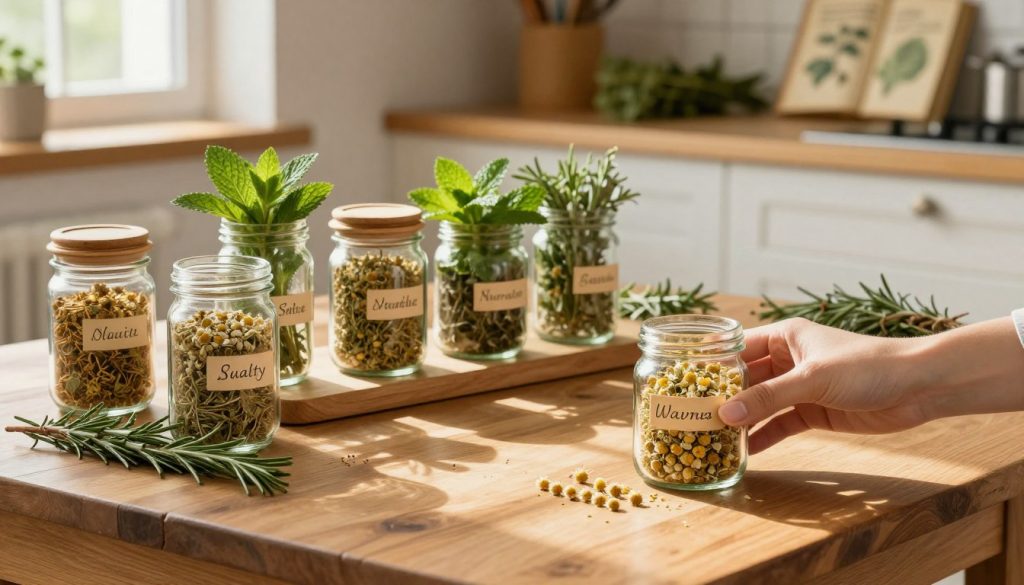
    A beautifully arranged display of herbal remedies for beginners, set on a rustic wooden table. In the foreground, an assortment of dried herbs such as lavender, chamomile, and peppermint in clear glass jars, labeled for easy identification. A mortar and pestle made of stone rests beside them, suggesting preparation. In the middle ground, a beginner's guidebook with a botanical illustration on its cover, partially open, inviting exploration. In the background, soft sunlight filters through a window, illuminating potted plants like aloe vera and basil, creating a warm, inviting atmosphere. The overall mood is serene and educational, capturing the essence of natural wellness and the gentle art of herbal medicine. Use a shallow depth of field to emphasize the foreground details while softly blurring the background.

    The world of herbal remedies is vast and rewarding; let’s explore the basics to get you started on your path to natural healing. As a beginner, it’s essential to understand the fundamentals of herbalism to harness its full potential.

    Essential Tools and Supplies for the Novice Herbalist

    To start your herbal journey, you’ll need some basic tools and supplies. These include a good mortar and pestle, a scale, and glass jars for storing your herbs and preparations. Investing in quality equipment will make a significant difference in your herbal practice.

    Where to Source Quality Herbs and Ingredients

    Sourcing high-quality herbs is crucial for effective herbal remedies. Look for reputable suppliers, local farmers’ markets, or consider growing your own herbs. Ensure that your herbs are organic and sustainably sourced to maximize their healing properties.

    Building Your First Herbal Medicine Cabinet

    Creating your first herbal medicine cabinet can be an exciting step in your herbal journey. Start by stocking must-have herbs for beginners such as calendula, chamomile, and ginger.

    Must-Have Herbs for Beginners

    • Calendula: Known for its anti-inflammatory properties.
    • Chamomile: Used for its calming effects.
    • Ginger: Valued for its digestive benefits.

    Basic Equipment Checklist

    1. Mortar and pestle
    2. Glass jars for storage
    3. A scale for measuring ingredients
    4. Cheesecloth or a coffee filter for straining

    By following these guidelines and starting with the basics, you’ll be well on your way to creating effective herbal remedies and enjoying the many benefits of natural wellness.

    10 Common Healing Herbs and Their Properties

    Exploring the world of herbal remedies can be a fascinating journey, especially when you discover that many common kitchen herbs have remarkable healing properties. For beginners, getting started with herbal remedies can seem overwhelming, but it’s actually quite straightforward. Many herbs commonly found in your kitchen or easily available at local health food stores can be used to create effective herbal remedies.

    Everyday Kitchen Herbs with Healing Powers

    Many of the herbs used in cooking also have significant health benefits. These herbs can be easily incorporated into your daily meals to enhance both flavor and well-being.

    Thyme, Rosemary, and Sage

    Thyme is known for its antiseptic properties and is often used to combat respiratory issues. Rosemary is celebrated for its ability to improve memory and cognitive function. Meanwhile, Sage has been used for centuries to soothe digestive issues and improve oral health.

    Garlic, Ginger, and Turmeric

    Garlic is renowned for its cardiovascular benefits and immune-boosting properties. Ginger has anti-inflammatory properties and is commonly used to alleviate nausea and digestive discomfort. Turmeric contains curcumin, a compound with potent anti-inflammatory and antioxidant properties.

    Powerful Medicinal Herbs for Beginners

    Beyond the kitchen, there are numerous medicinal herbs that are perfect for beginners. These herbs can be used to create a variety of herbal remedies, from teas and tinctures to salves and infusions.

    Echinacea, Chamomile, and Peppermint

    Echinacea is widely used to boost the immune system and fight off infections. Chamomile is a calming herb that can help with sleep and anxiety. Peppermint is known for its digestive benefits and can help alleviate headaches and nausea.

    Lavender, Calendula, and Elderberry

    Lavender is celebrated for its calming effects and is often used in skincare for its soothing properties. Calendula is used topically to heal wounds and soothe skin irritations. Elderberry is known for its antiviral properties and is often used to combat colds and flu.

    These herbs are just the beginning of your journey into the world of herbal remedies. By incorporating them into your daily routine, you can start to experience the many benefits that herbalism has to offer.

    Basic Preparation Methods for Herbal Remedies

    A serene tabletop scene featuring an assortment of herbal teas and infusions. In the foreground, elegant glass teacups filled with steaming herbal brews in vibrant hues of green, amber, and deep red, accompanied by fresh herbs like mint, chamomile blossoms, and dried lavender petals scattered around. In the middle ground, a rustic wooden tray holds a teapot adorned with intricate floral patterns, with a small spoon and a honey jar. The background showcases softly blurred shelves filled with glass jars of loose herbs, creating a cozy herbalist environment. The lighting is warm and natural, reminiscent of sunlight filtering through a window, casting gentle shadows and enhancing the tranquil atmosphere. The composition conveys a sense of peace and wellness, inviting the viewer to explore the world of herbal remedies.

    To unlock the full potential of herbs for health, understanding basic preparation methods is essential. Herbal remedies offer a natural approach to wellness, and learning how to prepare them can be a rewarding experience for beginners.

    Making Herbal Teas and Infusions

    One of the simplest ways to enjoy herbal remedies is by making teas and infusions. To make a tea, steep 1-2 teaspoons of dried herbs in boiling water for 5-10 minutes. For infusions, use a ratio of 1:4 (herb:water) and steep for a longer period, typically 15-30 minutes.

    Example: Peppermint tea can be made by steeping dried peppermint leaves in boiling water, providing a refreshing and digestive-friendly beverage.

    Creating Tinctures and Extracts

    Tinctures are concentrated herbal extracts made by steeping herbs in a solvent, usually alcohol or glycerin. To create a tincture, combine 1 part herbs with 2-3 parts solvent and let it steep for 2-6 weeks, shaking daily.

    Tip: Always use a clean glass container and store it in a cool, dark place to preserve the quality of the tincture.

    Preparing Salves, Balms, and Poultices

    Salves and balms are topical preparations that provide skin care benefits. To make a salve, combine infused herbal oils with beeswax and other ingredients like shea butter or essential oils. Poultices are topical applications made by crushing herbs and applying them directly to the skin.

    “Herbal salves and balms are wonderful for skin care, providing nourishment and protection.” – Herbalist’s Guide

    Simple Herbal Bath Blends and Body Care

    Herbal bath blends can enhance your bathing experience, promoting relaxation and well-being. To create a simple bath blend, combine dried herbs like chamomile, lavender, and calendula, and add them to your bath water.

    • Chamomile: Promotes relaxation and calms the mind.
    • Lavender: Soothes and calms the skin.
    • Calendula: Nourishes and moisturizes the skin.

    By mastering these basic preparation methods, beginners can unlock the full potential of herbs for health and enjoy the benefits of natural wellness.

    Safety Considerations and Best Practices

    While herbal remedies offer numerous health benefits, their safe and effective use requires a thorough understanding of best practices. As you explore the world of herbalism, it’s crucial to be aware of the potential interactions between herbs and medications, as well as the proper methods for harvesting, drying, and storing herbs.

    Understanding Herb-Drug Interactions

    Herbal remedies can interact with prescription medications, either enhancing their effects or causing adverse reactions. For instance, St. John’s Wort can interact with antidepressants, while Ginkgo Biloba may increase the risk of bleeding when taken with anticoagulants. It’s essential to consult with a healthcare professional before combining herbal remedies with conventional medications.

    Proper Harvesting, Drying, and Storage

    To maintain the potency and safety of herbal remedies, proper harvesting, drying, and storage techniques are vital. This includes drying herbs away from direct sunlight and moisture, storing them in airtight containers, and labeling them clearly. Proper storage helps preserve the herb’s active ingredients and prevents contamination.

    When to Consult a Professional Herbalist

    While many herbal remedies are safe for general use, certain situations require professional guidance. If you’re considering using herbal remedies for a serious health condition, or if you’re unsure about potential interactions with medications, consulting a professional herbalist can provide valuable insights and help you make informed decisions.

    Special Considerations for Children, Elderly, and Pregnant Women

    Certain populations, such as children, the elderly, and pregnant women, may require special considerations when using herbal remedies. For example, some herbs may not be suitable for children due to their potency, while pregnant women should avoid herbs that could stimulate uterine contractions. Always consult with a healthcare provider before using herbal remedies in these groups.

    By understanding and adhering to these safety considerations and best practices, you can enjoy the benefits of herbal remedies while minimizing potential risks.

    • Be aware of herb-drug interactions
    • Properly harvest, dry, and store herbs
    • Consult a professional herbalist when needed
    • Consider special needs for vulnerable populations

    Conclusion: Your Journey to Natural Wellness Begins

    As you finish this beginner’s guide to herbal remedies, you’re now equipped to start your journey to natural wellness. Exploring holistic remedies for newbies can be a rewarding experience, allowing you to connect with nature and enhance your well-being.

    By applying the knowledge gained from this guide, you can begin to integrate natural remedies for beginners into your daily life. This path to holistic health is both personal and profound, offering a world of possibilities for those seeking a more natural approach to wellness.

    Embarking on this journey, you’ll discover the benefits of herbalism and how it can positively impact your life. With the right mindset and resources, you’ll be well on your way to achieving a more balanced and healthy lifestyle.

    FAQ

    What are herbal remedies, and how do they work?

    Herbal remedies are natural treatments derived from plants, used to promote health and wellness. They work by utilizing the healing properties of herbs to address various health concerns, often with fewer side effects than conventional medications.

    Are herbal remedies safe to use?

    Generally, herbal remedies are safe when used properly. However, it’s essential to be aware of potential herb-drug interactions, allergic reactions, and other safety considerations, especially for children, the elderly, and pregnant women.

    How do I get started with using herbal remedies?

    To get started, begin by learning about the basics of herbalism, sourcing high-quality herbs, and understanding the essential tools and supplies needed. Start with simple preparations like teas and infusions, and gradually explore more complex remedies.

    What are some must-have herbs for beginners?

    Some must-have herbs for beginners include echinacea, chamomile, peppermint, lavender, calendula, and elderberry. These herbs are versatile, easy to find, and can be used to create a variety of remedies for common health concerns.

    Can I use kitchen herbs for medicinal purposes?

    Yes, many kitchen herbs like thyme, rosemary, sage, garlic, ginger, and turmeric have medicinal properties and can be used to create herbal remedies. They can be used in teas, tinctures, salves, and other preparations.

    How do I store and preserve my herbal remedies?

    To store and preserve herbal remedies, keep them in a cool, dry place, away from direct sunlight. Use airtight containers, and label them clearly. For longer-term storage, consider using glass jars or tin containers.

    Can I use herbal remedies in conjunction with conventional medications?

    While herbal remedies can be used alongside conventional medications, it’s crucial to be aware of potential interactions. Consult with a healthcare professional or a qualified herbalist to ensure safe and effective use.

    Are there any special considerations for using herbal remedies during pregnancy or breastfeeding?

    Yes, certain herbs can be contraindicated during pregnancy or breastfeeding. It’s essential to consult with a healthcare professional or a qualified herbalist before using herbal remedies during these times to ensure safe and effective use.
  • Herbal Remedies for Stress & Relaxation

    Herbal Remedies for Stress & Relaxation

    Are you tired of feeling overwhelmed and stressed? In today’s fast-paced world, it’s easy to get caught up in the hustle and bustle of daily life. But what if you could find a natural way to calm your mind and soothe your body?

    Nature has provided us with numerous solutions to manage stress and promote relaxation. One of the most effective ways is through the use of natural remedies that have been used for centuries. These remedies can help you unwind and rejuvenate, preparing you to tackle life’s challenges with renewed energy and clarity.

    Key Takeaways

    • Discover the power of natural remedies for stress relief
    • Learn about effective relaxation techniques using herbal solutions
    • Explore the benefits of using natural remedies for overall wellbeing
    • Understand how to incorporate these remedies into your daily routine
    • Find out how natural remedies can improve your mental clarity and focus

    Understanding Stress and Its Effects on Wellbeing

    Understanding the effects of chronic stress is crucial for maintaining overall wellbeing. Chronic stress can have far-reaching consequences on both physical and mental health.

    Physical Symptoms of Chronic Stress

    Chronic stress manifests physically in various ways, including headaches, fatigue, and digestive issues. Prolonged exposure to stress hormones like cortisol can lead to cardiovascular problems and a weakened immune system.

    Mental and Emotional Impacts

    The mental and emotional toll of chronic stress is equally significant. It can lead to anxiety, depression, and mood swings. The constant strain on mental health can impair cognitive function and overall quality of life.

    Why Natural Solutions Matter

    Given the wide-ranging effects of chronic stress, seeking natural solutions is essential. Natural remedies can provide a safe and effective way to manage stress without the side effects associated with pharmaceuticals.

    Symptoms of Chronic Stress Physical Effects Mental/Emotional Effects
    Headaches, Fatigue Cardiovascular Issues Anxiety, Depression
    Digestive Issues Weakened Immune System Mood Swings

    https://www.youtube.com/watch?v=3cXGt2d1RyQ

    Exploring Herbal Remedies for Stress and Relaxation

    Herbal remedies are gaining recognition for their potential in reducing stress and enhancing relaxation. The use of herbs for stress relief dates back centuries, with various cultures developing their own unique blends and techniques.

    A serene herbal remedy setup for stress relief, featuring a beautifully arranged wooden table in the foreground. Display vibrant, fresh herbs such as lavender, chamomile, and mint in elegant glass jars and beside neatly tied bundles. In the middle ground, include soft, glowing candles and a steaming cup of herbal tea, inviting warmth and comfort. The background features a lush garden with greenery and soft bokeh lighting to create a tranquil atmosphere. A gentle, diffused sunlight filters through, casting soft shadows, enhancing the peaceful, relaxing mood. The composition should evoke a sense of calm and well-being, perfect for illustrating the theme of herbal stress relief.

    How Adaptogenic Herbs Balance Your System

    Adaptogenic herbs play a crucial role in balancing the body’s response to stress. These herbs, such as Ashwagandha and Rhodiola, work by regulating the body’s stress response system, helping to maintain homeostasis. By supporting the adrenal glands and enhancing the body’s resilience to stress, adaptogenic herbs can help reduce fatigue and improve overall wellbeing.

    Active Compounds That Combat Stress

    Herbs contain a variety of active compounds that contribute to their stress-relieving properties. For example, Lavender contains linalool and linalyl acetate, which have a calming effect on the nervous system. Similarly, Chamomile contains apigenin, an antioxidant that binds to GABA receptors, promoting relaxation. Understanding these compounds can help in selecting the most effective herbs for stress relief.

    Herb Active Compound Effect
    Lavender Linalool, Linalyl acetate Calming effect
    Chamomile Apigenin Promotes relaxation
    Ashwagandha Withanolides Reduces stress and anxiety

    Traditional Wisdom Meets Scientific Research

    The use of herbal remedies for stress relief is rooted in traditional wisdom, and modern scientific research is increasingly validating these practices. Studies have shown that certain herbs can have a positive impact on stress markers, such as cortisol levels, and can improve symptoms of anxiety and depression. As Dr.

    Andrew Weil

    notes, “Herbal medicine can be a valuable tool in managing stress and promoting overall health.”

    By combining traditional knowledge with scientific evidence, we can develop effective herbal strategies for managing stress and enhancing relaxation.

    10 Powerful Herbs to Reduce Stress Naturally

    For centuries, various cultures have relied on the power of herbs to combat stress and anxiety. These natural remedies offer a holistic approach to managing stress, promoting relaxation, and enhancing overall wellbeing.

    Ashwagandha: The Ancient Stress Fighter

    Ashwagandha is renowned for its adaptogenic properties, helping the body to resist stressors and promoting balance. It has been shown to reduce cortisol levels, enhance energy, and improve overall resilience.

    Dosage and Preparation Tips

    For optimal benefits, consider taking 300-500 mg of ashwagandha extract twice daily, or as directed by a healthcare professional.

    Lavender: Aromatherapy for Instant Calm

    Lavender is celebrated for its calming effects, often utilized in aromatherapy to soothe the mind and body. Its relaxing properties can help reduce anxiety and promote a restful sleep.

    Methods of Application

    Lavender can be applied topically through massage oils or added to bath water for a relaxing soak. It can also be inhaled directly from a cloth or handkerchief.

    Chamomile: Nature’s Gentle Sedative

    Chamomile is a gentle herb that has been used for centuries to calm the nerves and soothe digestive issues. Its anti-inflammatory properties can also help with skin irritations.

    Valerian Root: The Sleep Enhancer

    Valerian root is a powerful herb known for its ability to improve sleep quality. It works by enhancing the body’s natural production of GABA, a neurotransmitter that helps regulate sleep.

    Lemon Balm: For Uplifting Mood

    Lemon balm is a member of the mint family and is known for its uplifting properties. It can help reduce stress and anxiety while promoting a sense of calm and focus.

    Holy Basil (Tulsi): Sacred Stress Relief

    Holy basil, also known as tulsi, is revered in Ayurvedic medicine for its ability to reduce stress and promote spiritual growth. It is rich in antioxidants and has been shown to reduce cortisol levels.

    Passionflower: Anxiety’s Natural Enemy

    Passionflower is a climbing vine that has been used for centuries to treat anxiety and insomnia. Its flavonoids and alkaloids work together to provide a calming effect on the nervous system.

    Rhodiola: For Energy and Resilience

    Rhodiola is an adaptogenic herb that helps the body adapt to stress, enhancing mental performance, and reducing fatigue. It is known to improve mood and overall sense of wellbeing.

    Kava: Pacific Relaxation Tradition

    Kava has been used for centuries in the Pacific Islands to promote relaxation and reduce anxiety. Its active compounds, known as kavalactones, work by affecting the brain’s limbic system.

    St. John’s Wort: Mood Support

    St. John’s Wort is a herb that has been used for centuries to support mood health. It is known to help alleviate mild depression and anxiety by influencing neurotransmitter levels.

    These herbs offer a natural and holistic approach to managing stress and promoting relaxation. By incorporating them into your daily routine, you can enhance your resilience to stress and improve your overall wellbeing.

    • Ashwagandha for stress resistance
    • Lavender for aromatherapy
    • Chamomile for calming
    • Valerian Root for sleep enhancement
    • Lemon Balm for mood upliftment
    • Holy Basil for stress relief
    • Passionflower for anxiety
    • Rhodiola for energy and resilience
    • Kava for relaxation
    • St. John’s Wort for mood support

    Step-by-Step Guide to Preparing Herbal Remedies

    Preparing herbal remedies at home can be a simple and rewarding process with the right guidance. By following a few straightforward steps, you can create effective herbal teas, tinctures, bath soaks, and essential oil blends to help manage stress and promote relaxation.

    1. Brewing Effective Herbal Teas and Infusions

    Brewing herbal teas is an art that requires some basic knowledge. To start, you’ll need a few simple pieces of equipment.

    Equipment You’ll Need

    • A tea infuser or strainer
    • A teapot or mug
    • High-quality dried herbs

    Perfect Brewing Temperatures

    The ideal brewing temperature varies depending on the herb. For example, delicate herbs like chamomile require lower temperatures (around 212°F), while roots and barks need boiling water.

    2. Creating Potent Tinctures and Extracts

    Tinctures are concentrated herbal extracts made using a solvent like alcohol or glycerin. To make a tincture, combine your chosen herb with the solvent in a jar, and let it steep for several weeks, shaking the jar daily.

    3. Crafting Relaxing Bath Soaks and Sachets

    Bath soaks and sachets can enhance your relaxation routine. To create a bath soak, mix dried herbs with Epsom salt and baking soda. For sachets, fill small cloth bags with dried herbs and place them in your bathwater or closet.

    A tranquil herbal bath soak scene, featuring a beautiful wooden bowl filled with an array of vibrant dried herbs, including lavender, chamomile, and eucalyptus, alongside scattered flower petals. In the foreground, a rustic wooden table supports a softly glowing candle and a small pitcher of warm water, next to a gentle stream of steam rising from the bowl. In the middle, an inviting bath area adorned with soft towels and natural stones creates a serene atmosphere. The background reveals a lush green plant or herbal arrangement, accentuating the sense of relaxation. Warm, soft lighting enhances the calming mood, reminiscent of a spa, shot from a slightly elevated angle to capture the essence of peaceful wellness rituals.

    4. Proper Essential Oil Applications

    Essential oils can be used in various ways, including diffusion, topical application, and addition to bath water. However, they must be used safely.

    Dilution Guidelines for Safety

    Always dilute essential oils with a carrier oil before applying them to your skin. A general dilution ratio is 3-5 drops of essential oil per ounce of carrier oil.

    By following these steps and guidelines, you can create your own herbal remedies at home, tailored to your specific needs for stress relief and relaxation.

    Daily Herbal Protocols for Managing Stress

    Daily herbal protocols offer a natural approach to managing stress throughout the day. By incorporating specific herbs into your morning, midday, and evening routines, you can maintain energy, reduce stress, and promote relaxation.

    Morning Ritual: Energizing Herbs for Focus

    Starting your day with energizing herbs can help you stay focused and alert. Herbs like ginseng and yerba mate are known for their invigorating properties. You can consume them as teas or add them to your breakfast smoothie.

    • Ginseng: Enhances vitality and mental clarity
    • Yerba Mate: Provides a natural energy boost

    Midday Reset: Quick Stress-Busting Techniques

    During the midday slump, stress-busting techniques can help you recharge. Herbs like ashwagandha and rhodiola are adaptogens that help your body adapt to stress. You can take them in capsule form or as a stress-relief tea.

    Evening Wind-Down: Relaxation Herbs and Methods

    In the evening, relaxation herbs can help you unwind and prepare for a restful night’s sleep. Herbs like chamomile and lavender are known for their calming effects. Enjoy them as a soothing tea or add a few drops of their essential oils to your bath.

    “A calm mind is the result of a calm body.” – Unknown

    Safety Considerations and Potential Side Effects

    Understanding the safety considerations of herbal remedies is essential for their effective and safe use. While these natural solutions can offer significant benefits for stress relief and relaxation, they can also interact with medications, have side effects, and not be suitable for everyone.

    Important Herb-Drug Interactions to Know

    Certain herbal remedies can interact with prescription medications, either enhancing their effects or causing adverse reactions. For instance, St. John’s Wort can interact with antidepressants, blood thinners, and certain cancer medications, reducing their efficacy or increasing the risk of side effects. It’s crucial to inform your healthcare provider about any herbal remedies you’re using or planning to use.

    A serene and balanced composition illustrating the concept of herb-drug interactions. In the foreground, show a wooden table with various herbs like chamomile, valerian root, and lavender, neatly arranged alongside prescription bottles and capsules, emphasizing the contrasting elements of natural and pharmaceutical remedies. In the middle ground, depict a soft, glowing light emanating from an open book on herbal medicine, hinting at the importance of knowledge in safe usage. The background should be a blurred, calming scene of a wellness clinic, with green plants and soft, warm colors to create a tranquil and professional atmosphere. The lighting should be warm and inviting, capturing a sense of safety and caution.

    Contraindications for Specific Populations

    Some herbal remedies are not suitable for everyone, particularly for certain populations.

    Pregnancy and Nursing Concerns

    Pregnant or nursing women should be cautious with herbal remedies, as some can affect the fetus or baby. For example, black cohosh is not recommended during pregnancy due to its potential to stimulate uterine contractions.

    Considerations for Children and Elderly

    Children and the elderly may require adjusted dosages, and certain herbs may be contraindicated due to age-related health conditions. For instance, kava has been associated with liver damage and is generally not recommended for children.

    Population Herbal Remedy Concern
    Pregnant/Nursing Women Black Cohosh Uterine contractions
    Children Kava Liver damage
    Elderly Ginkgo Biloba Bleeding risk

    When to Consult a Healthcare Professional

    It’s advisable to consult a healthcare professional before starting any herbal remedy, especially if you have a chronic health condition, are taking medications, or belong to a sensitive population. They can provide guidance on safe use, potential interactions, and appropriate dosages.

    Enhancing Your Herbal Stress Relief Routine

    A comprehensive approach to stress management involves not just herbal remedies, but also mindfulness, exercise, and proper nutrition. By combining these elements, you can create a robust stress relief strategy that addresses both body and mind.

    Combining Herbs with Mindfulness Practices

    Mindfulness practices, such as meditation and deep breathing, can significantly enhance the effectiveness of herbal stress relief. Herbs like lavender and chamomile can promote relaxation, making it easier to engage in mindfulness activities. Regular mindfulness practice can also reduce stress and anxiety, creating a positive feedback loop that amplifies the benefits of herbal remedies.

    Movement and Exercise Synergies

    Physical activity is a natural stress reliever that can complement herbal remedies. Exercise releases endorphins, which improve mood and reduce stress levels. Activities like yoga combine physical movement with mindfulness techniques, further enhancing stress relief. By incorporating exercise into your routine, you can boost the effectiveness of herbal stress relief.

    Supportive Nutrition and Hydration Habits

    A balanced diet and adequate hydration are crucial for managing stress. Nutritional habits that support overall health can enhance the body’s response to herbal remedies. Foods rich in omega-3 fatty acids, vitamins, and minerals can help mitigate stress. Additionally, staying hydrated is essential for maintaining energy levels and supporting the body’s natural stress response mechanisms.

    Conclusion: Creating Your Personalized Herbal Wellness Plan

    As we’ve explored throughout this article, herbal remedies offer a natural and effective way to manage stress and promote relaxation. By understanding the causes of stress, exploring various herbal options, and learning how to prepare and incorporate them into daily life, you can create a personalized wellness plan tailored to your unique needs.

    To start, reflect on your personal stress triggers and preferences. Consider the herbs and techniques discussed, such as adaptogenic herbs like ashwagandha, calming teas like chamomile, or soothing essential oils like lavender. You can combine these with mindfulness practices, movement, and supportive nutrition habits to enhance your herbal wellness journey.

    By taking a holistic approach to wellbeing, you can develop a comprehensive plan that addresses your physical, emotional, and mental health. Experiment with different herbs and techniques to find what works best for you, and don’t hesitate to consult with a healthcare professional if needed.

    Embracing a personalized approach to herbal wellness empowers you to take control of your stress management and overall wellbeing. Start crafting your unique plan today and discover the benefits of a balanced, healthy lifestyle.

    FAQ

    What are the best herbal remedies for stress and relaxation?

    Some of the most effective herbs for stress relief include ashwagandha, lavender, chamomile, valerian root, and lemon balm, which can be consumed as teas, tinctures, or supplements.

    How do adaptogenic herbs work to reduce stress?

    Adaptogenic herbs like ashwagandha and rhodiola help balance the body’s response to stress by regulating cortisol levels and promoting energy and resilience.

    Are there any safety considerations when using herbal remedies for stress?

    Yes, it’s essential to be aware of potential herb-drug interactions, contraindications for specific populations like pregnant women and children, and to consult a healthcare professional if necessary.

    How can I incorporate herbal remedies into my daily routine?

    You can start by brewing herbal teas, using essential oils in aromatherapy, or taking tinctures and supplements at specific times of the day, such as in the morning for energy or before bed for relaxation.

    Can I combine herbal remedies with other stress-reducing practices?

    Yes, combining herbal remedies with mindfulness practices, movement, exercise, and supportive nutrition and hydration habits can enhance their effectiveness in reducing stress and promoting overall wellbeing.

    How do I prepare herbal teas and infusions?

    To brew effective herbal teas, use high-quality herbs, the right equipment, and perfect brewing temperatures, typically between 160°F to 212°F, depending on the herb.

    What are the benefits of using essential oils for stress relief?

    Essential oils like lavender and chamomile can promote relaxation and reduce anxiety when used in aromatherapy, applied topically with proper dilution, or inhaled directly.

    Can herbal remedies interact with my medications?

    Yes, certain herbs can interact with medications, so it’s crucial to consult with a healthcare professional before using herbal remedies, especially if you’re taking prescription medications.

    Are herbal remedies safe for children and elderly individuals?

    Some herbs are not suitable for children or elderly individuals, so it’s essential to research the specific herb’s safety and consult with a healthcare professional before use.

    How can I create a personalized herbal wellness plan?

    To create a personalized plan, consider your individual needs, stress triggers, and health goals, and then choose the most suitable herbs and stress-reducing practices to incorporate into your daily routine.
  • Herbal Remedies for Stress & Relaxation

    Herbal Remedies for Stress & Relaxation

    Are you tired of feeling overwhelmed and anxious? In today’s fast-paced world, stress relief is more crucial than ever. But have you considered turning to nature for a solution?

    Many people are now seeking natural alternatives to manage their stress levels, and herbal remedies are at the forefront of this movement. With a rich history and a gentle approach, these remedies offer a promising path to relaxation.

    As we explore the world of herbal remedies, it’s clear that they can play a significant role in our overall well-being. By understanding the options available, you can take the first step towards a more balanced life.

    Key Takeaways

    • Discover the most effective herbal remedies for stress relief.
    • Learn how to incorporate these natural solutions into your daily routine.
    • Understand the benefits of choosing herbal remedies over conventional stress relief methods.
    • Explore the science behind how herbal remedies promote relaxation.
    • Find out how to combine herbal remedies with other stress relief techniques for optimal results.

    Understanding How Stress Affects Your Body and Mind

    Understanding the multifaceted effects of stress is crucial for maintaining a healthy balance in life. Stress is a pervasive issue that can impact both our physical health and mental well-being.

    Recognizing Physical Symptoms of Chronic Stress

    Chronic stress can manifest physically in various ways, including headaches, fatigue, and muscle tension. These symptoms can significantly impair daily functioning and overall quality of life. It’s essential to recognize these signs early to manage stress effectively.

    Identifying Mental and Emotional Effects

    The mental and emotional toll of chronic stress should not be underestimated. It can lead to anxiety, mood swings, and depression. Understanding these effects is vital for seeking appropriate support and interventions.

    The Science Behind Herbal Stress Relief

    Herbal remedies have been used for centuries to alleviate stress and promote relaxation. The science behind their effectiveness lies in their ability to interact with our body’s systems, potentially reducing the physiological effects of stress. For instance, adaptogenic herbs like ashwagandha can help regulate cortisol levels, thereby mitigating the impact of stress.

    Herb Primary Benefit Example
    Ashwagandha Cortisol regulation Reduces stress and anxiety
    Lavender Promotes relaxation Improves sleep quality
    Chamomile Soothes mind and body Eases anxiety and insomnia

    Powerful Herbal Remedies for Stress and Relaxation

    Nature offers a diverse array of herbal remedies that can help alleviate stress and promote relaxation. For centuries, various cultures have turned to the natural world to find solace from the pressures of daily life. Herbal remedies, in particular, have gained popularity for their effectiveness in managing stress without the side effects often associated with conventional medications.

    Harnessing Adaptogenic Herbs

    Adaptogenic herbs are a class of plants that help the body adapt to stress, promoting balance and resilience. These herbs work by influencing the body’s stress response system, helping to regulate cortisol levels and improve overall well-being.

    Ashwagandha for Adrenal Support

    Ashwagandha is a renowned adaptogen known for its ability to support adrenal function and reduce cortisol levels. Studies have shown that ashwagandha can significantly reduce stress and anxiety in individuals with chronic stress.

    Holy Basil (Tulsi) for Mental Clarity

    Holy Basil, also known as Tulsi, is revered for its ability to promote mental clarity and reduce stress. It is often consumed as a tea to help calm the mind and improve focus.

    Rhodiola for Energy and Focus

    Rhodiola is another adaptogenic herb that is prized for its ability to enhance energy and mental performance. It is particularly useful for individuals looking to improve their productivity and combat fatigue.

    Utilizing Calming Herbs

    Calming herbs are those that have a soothing effect on the nervous system, helping to reduce anxiety and promote relaxation. These herbs can be consumed in various forms, including teas, tinctures, and capsules.

    Lavender for Immediate Relaxation

    Lavender is well-known for its calming properties and is often used in aromatherapy to promote immediate relaxation. Its soothing scent can help reduce anxiety and improve sleep quality.

    Chamomile for Digestive Stress

    Chamomile is a gentle herb that can soothe digestive issues related to stress. It is commonly consumed as a tea to calm the stomach and promote relaxation.

    Lemon Balm for Anxiety Relief

    Lemon Balm is a member of the mint family and is used to alleviate anxiety and promote a good night’s sleep. Its light, citrusy flavor makes it a pleasant addition to herbal teas.

    A serene herbal apothecary scene showcasing an array of natural remedies for stress relief. In the foreground, a beautifully arranged wooden table displays various herbs such as lavender, chamomile, and valerian root, along with neatly labeled glass jars and wooden mortar and pestle. In the middle ground, a softly glowing candle emits warm light, creating a cozy atmosphere, while fresh green plants are artfully scattered around. The background features a softly blurred herbal garden filled with lush foliage and gentle sunlight filtering through, enhancing the calming vibe. The overall lighting is warm and inviting, evoking tranquility and relaxation. The composition should invite the viewer to feel a sense of peace and natural well-being, perfect for an article on herbal remedies.

    Implementing Sleep-Promoting Herbs

    Sleep-promoting herbs are essential for individuals struggling with insomnia or restless sleep. These herbs help create a conducive environment for restful sleep, ensuring that the body gets the rest it needs to recover from the stresses of the day.

    Valerian Root for Deep Sleep

    Valerian Root is a powerful herb known for its ability to promote deep, restful sleep. It works by enhancing the body’s natural sleep-inducing chemicals.

    Passionflower for Racing Thoughts

    Passionflower is often used to calm racing thoughts and reduce anxiety that can interfere with sleep. Its subtle flavor makes it a popular choice for evening teas.

    California Poppy for Gentle Sedation

    California Poppy is a mild sedative that can help individuals wind down before bed. It is often used in combination with other herbs to enhance its sleep-promoting effects.

    Herb Primary Use Form
    Ashwagandha Adrenal Support Capsules, Powder
    Lavender Immediate Relaxation Essential Oil, Tea
    Valerian Root Deep Sleep Tincture, Capsules

    “The use of herbal remedies for stress relief is a natural and effective way to promote overall well-being.”

    — Dr. Jane Smith, Herbalist

    How to Prepare and Use Herbal Remedies at Home

    Herbal remedies offer a natural way to alleviate stress, and preparing them at home is easier than you think. With a few simple ingredients and some basic knowledge, you can start creating your own herbal stress-relief solutions.

    Brewing Effective Herbal Teas and Infusions

    Herbal teas are one of the simplest ways to enjoy the benefits of herbs. To brew an effective herbal tea, start by selecting high-quality, dried herbs. Use one teaspoon of dried herbs for every cup of boiling water. Steep the herbs for 5-10 minutes, depending on the herb and your desired strength of tea. Strain and enjoy.

    Some popular herbs for stress relief include chamomile, lavender, and peppermint. You can also blend different herbs to create a unique flavor and effect. For example, combining chamomile and lavender can promote deep relaxation.

    Creating Potent Tinctures and Extracts

    Tinctures are concentrated herbal extracts that can be used to deliver the benefits of herbs in a potent form. To create a tincture, you’ll need a jar, some high-proof alcohol (like vodka), and your chosen herbs. Fill the jar with the herbs and cover them completely with alcohol. Store the jar in a cool, dark place for 2-4 weeks, shaking it daily.

    After the steeping process, strain the liquid through a cheesecloth into a bowl, squeezing out as much liquid as possible. Discard the solids and transfer the tincture to a dark glass bottle. You can take tinctures orally, typically 10-20 drops at a time, or add them to your tea or water.

    Herb Tincture Ratio Dosage
    St. John’s Wort 1:5 20 drops, 3 times a day
    Valerian Root 1:3 15 drops, before bed
    Passionflower 1:4 10 drops, as needed

    Setting Up Herbal Baths and Aromatherapy Treatments

    Herbal baths and aromatherapy can be incredibly relaxing and rejuvenating. To create an herbal bath, add a few handfuls of dried herbs or a few drops of essential oils to your bathwater. Some calming herbs for baths include chamomile, calendula, and lavender.

    For aromatherapy, you can use a diffuser to spread the fragrance of essential oils throughout your space. Alternatively, add a few drops of oil to a handkerchief or inhale directly from the bottle. Popular essential oils for relaxation include lavender, bergamot, and ylang-ylang.

    By incorporating these herbal remedies into your daily routine, you can enhance your stress-relief practices and enjoy a more balanced, relaxed life.

    Designing Your Daily Herbal Routine for Stress Management

    Creating a daily herbal routine can be a transformative approach to managing stress and enhancing overall well-being. By incorporating herbal remedies into your daily schedule, you can better navigate life’s challenges with calmness and resilience.

    Morning Rituals to Energize and Center

    Starting your day with a thoughtful herbal ritual can set a positive tone for the morning. Consider beginning with a warm cup of peppermint tea to invigorate your senses and boost energy. Alternatively, a gentle adaptogenic blend can help center your mind and prepare you for the day ahead.

    • Drink a glass of water infused with lemon balm and ginger to stimulate digestion and circulation.
    • Practice a short meditation while sipping your herbal tea to enhance mindfulness.

    Midday Protocols to Reset and Refocus

    As the day progresses, a midday herbal ritual can help reset your focus and alleviate stress. A chamomile or licorice root tea can provide a soothing break, calming the mind and promoting clarity.

    • Take a short walk outside while carrying a small pouch of lavender to inhale its calming scent.
    • Use a few drops of bergamot essential oil in a diffuser to uplift your mood and concentration.

    Evening Practices for Deep Relaxation

    In the evening, herbal rituals can pave the way for deep relaxation and restful sleep. Sipping on a warm valerian root tea or passionflower infusion can calm the nervous system, preparing your body for a rejuvenating night’s sleep.

    “A calm mind is the ultimate goal of meditation, and herbal teas can be a wonderful aid in achieving this state.”

    – A renowned herbalist

    • Take a relaxing herbal bath with chamomile and lavender to unwind.
    • Practice gentle stretches or yoga while listening to calming music to release tension.

    A serene and inviting space dedicated to a daily herbal routine for stress management. In the foreground, a wooden table is adorned with an assortment of fresh herbs like chamomile, lavender, and mint, arranged thoughtfully in small clay pots and in loose bundles. A steaming cup of herbal tea sits beside a beautifully illustrated recipe book, filled with calming herbal remedies. The middle ground features soft natural lighting filtering through a window, casting gentle shadows on the table, enhancing the tranquil atmosphere. In the background, a light, airy room decorated with calming green plants and herbal-infused candles promotes relaxation. The overall mood is peaceful and nurturing, inspiring viewers to embrace a mindful approach to self-care.

    Combining Herbs with Other Stress-Relief Techniques

    The synergy between herbal remedies and other stress-relief methods can significantly improve mental and physical health. By integrating herbs into your existing stress management routine, you can potentially enhance the benefits and achieve a deeper state of relaxation.

    Pairing Herbs with Meditation and Breathwork

    Meditation and breathwork are powerful tools for managing stress, and when combined with herbal remedies, they can become even more effective. Certain herbs like ashwagandha and lavender can promote a calm and focused state, making it easier to dive into meditation or breathwork practices. To incorporate herbs into your meditation routine, try consuming a calming tea or tincture about 30 minutes before you begin.

    Enhancing Exercise Benefits with Herbal Support

    Exercise is a well-known stress reliever, and herbal remedies can complement its benefits. Adaptogenic herbs like ginseng and rhodiola can help improve endurance and reduce fatigue, making your workouts more effective. Additionally, herbs with anti-inflammatory properties, such as turmeric, can aid in recovery post-exercise.

    Creating Multi-Sensory Relaxation Experiences

    Creating a multi-sensory experience can enhance relaxation. This can involve combining herbal teas or aromatherapy with soothing music, dim lighting, or a warm bath. For instance, inhaling the scent of lavender while sipping a calming tea in a quiet, dimly lit room can create a deeply relaxing atmosphere.

    By thoughtfully combining herbal remedies with other stress-relief techniques, you can create a comprehensive approach to managing stress and enhancing overall well-being.

    Conclusion

    Effective stress relief is within reach when you incorporate herbal remedies into your daily routine. By understanding how stress affects your body and mind, you can better utilize herbal support for relaxation.

    Herbal remedies offer a natural approach to stress management, from adaptogenic herbs that help your body adapt to stress, to calming herbs that soothe your mind and promote relaxation.

    By combining these herbal remedies with other stress-relief techniques, such as meditation, exercise, and aromatherapy, you can create a comprehensive stress management plan that suits your lifestyle and promotes overall well-being.

    FAQ

    What are the best herbal remedies for stress and anxiety?

    Some of the most effective herbal remedies for stress and anxiety include Ashwagandha, Holy Basil, Lavender, and Chamomile. These herbs can be consumed as teas, tinctures, or supplements to promote relaxation and reduce stress.

    How do adaptogenic herbs help with stress relief?

    Adaptogenic herbs like Ashwagandha and Rhodiola help the body adapt to stress by regulating the body’s response to stressors, promoting balance and resilience. They can improve energy, focus, and overall well-being.

    Can herbal remedies be used in conjunction with other stress-relief techniques?

    Yes, herbal remedies can be combined with other stress-relief techniques such as meditation, breathwork, and exercise to enhance their benefits. This multi-faceted approach can lead to deeper relaxation and improved stress management.

    How do I prepare herbal teas for stress relief?

    To prepare herbal teas, steep 1-2 teaspoons of dried herbs in boiling water for 5-10 minutes. Strain and drink as needed. You can also add honey or lemon to taste. Popular calming herbs for tea include Chamomile, Lavender, and Lemon Balm.

    Are herbal remedies safe for everyone?

    While herbal remedies are generally considered safe, they may interact with certain medications or exacerbate underlying health conditions. Consult with a healthcare professional before using herbal remedies, especially if you’re pregnant, breastfeeding, or taking medications.

    Can I use herbal remedies for sleep promotion?

    Yes, certain herbal remedies like Valerian Root, Passionflower, and California Poppy can promote deep sleep and relaxation. These herbs can be consumed as teas, tinctures, or supplements before bedtime to improve sleep quality.

    How do I choose the right herbal remedy for my stress relief needs?

    To choose the right herbal remedy, consider your specific needs, such as energy, relaxation, or sleep promotion. Research different herbs and their benefits, and consult with a healthcare professional if needed. Start with a single herb and monitor its effects before adding others to your routine.
  • How to Use Herbs for Daily Wellness

    How to Use Herbs for Daily Wellness

    Are you tired of relying on synthetic supplements and medications to maintain your health? What if nature’s own pharmacy held the key to a healthier, happier you? In today’s fast-paced world, it’s easy to neglect our well-being, but incorporating herbal wellness into your daily routine can be a game-changer.

    Natural health has been a cornerstone of human well-being for centuries, with herbs playing a vital role in traditional medicine. By harnessing the power of wellness benefits from herbs, you can take a proactive approach to your health.

    Key Takeaways

    • Discover the benefits of incorporating herbs into your daily routine
    • Learn how to harness the power of natural health
    • Explore the various ways to use herbs for overall wellness
    • Understand the importance of herbal wellness in modern times
    • Find out how to make herbs a part of your healthy lifestyle

    Understanding the Power of Herbal Wellness

    Exploring the world of herbal wellness reveals a rich history and a multitude of benefits that can enhance our daily lives. Herbal wellness has been a cornerstone of health practices for centuries, with its roots in traditional medicine.

    The Historical Use of Herbs for Health

    Historically, herbs have been used for their medicinal properties, with ancient civilizations utilizing them in various forms to treat ailments and promote health. The use of herbs for health has been documented across cultures, highlighting their versatility and effectiveness.

    Science Behind Herbal Benefits

    The benefits of herbs are backed by science, with many studies validating their therapeutic properties. For instance, certain herbs are known for their anti-inflammatory properties, while others are valued for their antioxidant content.

    Safety Considerations and Precautions

    While herbs offer numerous health benefits, it’s crucial to be aware of potential risks. This includes understanding herb-drug interactions and being mindful of allergies and sensitivities.

    Herb-Drug Interactions to Be Aware Of

    Some herbs can interact with medications, either enhancing their effects or causing adverse reactions. For example, St. John’s Wort is known to interact with certain antidepressants.

    Allergies and Sensitivities

    Just like any other substance, herbs can cause allergic reactions or sensitivities in some individuals. It’s essential to monitor your body’s response when introducing new herbs into your wellness routine.

    By understanding the historical context, scientific backing, and potential risks associated with herbal wellness, individuals can harness its power to enhance their health and well-being.

    Essential Herbs and Their Wellness Benefits

    Essential herbs play a crucial role in enhancing our well-being, from stress management to improved sleep. These natural wonders have been used for centuries to promote health and wellness. By understanding and utilizing these herbs, individuals can take a proactive approach to their health.

    A serene composition showcasing an abundance of essential herbs for wellness spread across a rustic wooden table. In the foreground, lush green leaves of basil, rosemary, and mint are artfully arranged alongside dried lavender and sage bundles. In the middle, a glass jar filled with golden turmeric powder and a small bowl of fresh ginger root add vibrant color. The background features softly blurred shelves lined with herbal tea tins and rustic jars, enhancing a cozy atmosphere. Natural sunlight filters through a nearby window, casting gentle shadows and highlighting the fresh dew on the herbs. The overall mood conveys tranquility and natural abundance, inviting viewers to explore the wellness benefits of these herbs.

    Adaptogenic Herbs for Stress Management

    Adaptogenic herbs help the body adapt to stress, promoting balance and resilience. Two of the most notable adaptogenic herbs are Ashwagandha and Holy Basil.

    Ashwagandha and Holy Basil

    Ashwagandha is known for its ability to reduce stress and anxiety, while Holy Basil is revered for its calming properties and ability to enhance mental clarity.

    Rhodiola and Ginseng

    Rhodiola and Ginseng are also powerful adaptogens. Rhodiola helps improve mental performance and reduces fatigue, whereas Ginseng is celebrated for its energizing properties and ability to enhance vitality.

    Immune-Boosting Herbal Allies

    Some herbs are renowned for their immune-boosting properties, helping to protect against illnesses. Echinacea and Elderberry are two such herbs that have gained popularity for their immune-supporting benefits.

    Echinacea and Elderberry

    Echinacea is believed to enhance immune function, while Elderberry is rich in antioxidants and has been used to combat colds and flu.

    Astragalus and Reishi Mushroom

    Astragalus and Reishi Mushroom are other immune-boosting herbs. Astragalus is used in traditional Chinese medicine to enhance immune function, and Reishi Mushroom is known for its ability to support overall health and well-being.

    Herbs for Digestive Health

    Digestive health is crucial for overall wellness, and certain herbs can provide significant relief. Peppermint and Ginger are commonly used to soothe digestive issues.

    Peppermint and Ginger

    Peppermint oil can help alleviate symptoms of IBS, while Ginger has natural anti-inflammatory properties that aid digestion.

    Chamomile and Fennel

    Chamomile and Fennel are also beneficial for digestive health. Chamomile can calm the digestive tract, and Fennel is known to reduce bloating and gas.

    Calming Herbs for Better Sleep

    A good night’s sleep is essential for health, and certain herbs can promote relaxation and improve sleep quality. Valerian and Passionflower are known for their calming effects.

    Valerian and Passionflower

    Valerian root is often used as a natural sleep aid, while Passionflower has been traditionally used to treat anxiety and insomnia.

    Lavender and Lemon Balm

    Lavender and Lemon Balm are also effective in promoting relaxation. Lavender can improve sleep quality, and Lemon Balm has a calming effect on the nervous system.

    How to Use Herbs for Daily Wellness

    Incorporating herbs into your daily routine can be a simple yet effective way to enhance your overall wellness. By understanding the various methods of preparation and application, you can harness the full potential of herbal remedies.

    Creating Herbal Teas and Infusions

    Herbal teas and infusions are a popular way to enjoy the benefits of herbs. To make a tea, you can use either hot or cold infusion methods.

    Hot Infusion Methods

    Hot infusion involves steeping herbs in boiling water to release their active compounds. This method is ideal for making teas from dried herbs.

    Cold Brew Techniques

    Cold brew techniques involve steeping herbs in cold water for an extended period, usually several hours or overnight. This method is great for making refreshing herbal infusions.

    Herbal Tinctures and Extracts

    Herbal tinctures and extracts are concentrated forms of herbal remedies that can be used to support health and wellness.

    Making Alcohol-Based Tinctures

    Alcohol-based tinctures involve soaking herbs in a solvent such as vodka or ethanol to extract their active compounds.

    Glycerin-Based Alternatives

    Glycerin-based tinctures are a great alternative for those who prefer not to use alcohol. They involve soaking herbs in glycerin to extract their active compounds.

    Culinary Uses of Medicinal Herbs

    Medicinal herbs can be used in a variety of culinary applications, from cooking to making herbal-infused oils and vinegars.

    Herbal-Infused Oils and Vinegars

    Herbal-infused oils and vinegars can be used to add flavor and nutrition to your meals. Simply steep herbs in oil or vinegar for a few weeks to create a delicious and healthy condiment.

    Cooking with Fresh vs. Dried Herbs

    Both fresh and dried herbs can be used in cooking, depending on the desired flavor and texture. Fresh herbs are great for adding a burst of flavor, while dried herbs are more convenient for storage and use.

    Topical Applications and Herbal Baths

    Topical applications and herbal baths can be used to support skin health and relaxation.

    Herbal Salves and Balms

    Herbal salves and balms involve mixing herbal extracts with oils and waxes to create a topical cream or ointment.

    Therapeutic Bath Blends

    Therapeutic bath blends involve mixing herbs with salts and other ingredients to create a relaxing and rejuvenating bath experience.

    Sourcing and Storing Your Herbal Allies

    To fully benefit from herbal wellness, it’s essential to know how to source and store your herbs properly. This ensures that you get the most out of your herbal allies.

    Growing Your Own Medicinal Herbs

    Growing your own medicinal herbs can be a rewarding experience. It allows you to have control over the quality and freshness of your herbs. Some easy-to-grow herbs include Calendula, Chamomile, and Lavender. These herbs are not only beneficial for health but also add beauty to your garden.

    Purchasing Quality Dried Herbs

    If growing your own herbs isn’t feasible, purchasing quality dried herbs is the next best option. Look for reputable suppliers who provide organic, non-irradiated herbs. Check the packaging for the herb’s origin, packaging date, and any certifications.

    A rustic wooden table filled with various quality dried herbs like chamomile, mint, and rosemary in glass jars, carefully labeled. In the foreground, a hand gently selects a jar, showcasing a warm, inviting atmosphere. The middle layer features an array of herbs arranged artistically, highlighted by soft, natural lighting streaming in from a nearby window, casting delicate shadows. In the background, a cozy kitchen shelf holds additional herb bundles and vintage botanical books, enhancing the theme of herbal wellness. The image is taken with a shallow depth of field to create a soft-focus effect, evoking a sense of tranquility and connection to nature. Overall, the mood is calm and nurturing, perfect for inspiring wellness practices.

    Proper Storage Techniques

    Proper storage is crucial to maintaining the potency of your herbs. Store dried herbs in airtight containers away from direct sunlight and moisture. Label the containers with the herb’s name and date of storage.

    Herb Storage Method Shelf Life
    Dried Chamomile Airtight Container 1-2 years
    Lavender Buds Airtight Container 1-3 years
    Calendula Petals Airtight Container 1-2 years

    Essential Tools for Herbal Preparation

    Having the right tools can make herbal preparation easier. Essential tools include a digital scale, glass jars, and a herb grinder. These tools help in measuring, storing, and preparing your herbs for use.

    Embracing Herbal Wellness for a Healthier Life

    Incorporating herbs into your daily routine can have a significant impact on your overall wellness. By understanding the power of herbal wellness, exploring essential herbs, and learning how to use them effectively, you can take a proactive approach to supporting your natural health.

    Using herbs for wellness is a simple yet effective way to promote overall health and wellbeing. Whether you’re looking to manage stress, boost your immune system, or improve your digestive health, herbal remedies offer a natural and holistic approach to achieving your wellness goals.

    By sourcing high-quality herbs and storing them properly, you can ensure that you’re getting the most out of your herbal allies. As you continue on your journey to embracing herbal wellness, remember to always prioritize your health and safety by being aware of any potential interactions or allergies.

    Start exploring the world of herbal remedies today and discover the numerous wellness benefits that these natural wonders have to offer. With a little knowledge and creativity, you can harness the power of herbal wellness to achieve a healthier, happier you.
    FAQ

    What are the benefits of using herbs for daily wellness?

    Using herbs for daily wellness can provide numerous benefits, including stress management, immune system support, digestive health, and better sleep. Herbs like ashwagandha, echinacea, and peppermint can be incorporated into daily life to promote overall health and well-being.

    How do I make herbal teas and infusions?

    To make herbal teas and infusions, you can use hot infusion methods or cold brew techniques. Simply steep the desired herbs in hot or cold water, and strain before serving. You can also add honey or lemon to taste.

    What is the difference between herbal tinctures and extracts?

    Herbal tinctures and extracts are concentrated forms of herbs that can be used to support health. Tinctures are typically made with alcohol or glycerin, while extracts can be made using various solvents. Both can be used to support wellness, but it’s essential to follow the recommended dosage.

    Can I grow my own medicinal herbs?

    Yes, growing your own medicinal herbs can be a rewarding experience. Many herbs, such as peppermint, chamomile, and lavender, are easy to grow and can be used to support daily wellness. Make sure to research the specific growing conditions for each herb to ensure optimal growth.

    How do I store my herbal allies properly?

    To store your herbal allies properly, keep them in a cool, dry place, away from direct sunlight. Use airtight containers, such as glass jars, to maintain potency. Label and date the containers, and check on them regularly to ensure they remain fresh.

    Are there any safety considerations when using herbs for wellness?

    Yes, there are safety considerations when using herbs for wellness. Be aware of potential herb-drug interactions, allergies, and sensitivities. Consult with a healthcare professional before using herbs, especially if you have a pre-existing medical condition or are taking medications.

    Can I use herbs in cooking?

    Yes, many medicinal herbs can be used in cooking to promote health and add flavor. Use fresh or dried herbs in recipes, and consider making herbal-infused oils and vinegars to add to your dishes. Be mindful of the amount used, as some herbs can be potent.

    How do I make herbal salves and balms?

    To make herbal salves and balms, combine herbs with oils and waxes to create a topical application. Research the specific herbs and ingredients needed, and follow a recipe to ensure the best results. Use caution when applying to the skin, and perform a patch test before using extensively.
  • Exploring the Top Medicinal Herbs You Should Know

    Exploring the Top Medicinal Herbs You Should Know

    Are you aware of the healing power of plants that have been used for centuries in various cultures? In recent years, there has been a significant resurgence in the use of herbal medicine as people seek more natural approaches to health and wellness.

    The popularity of herbal remedies is not just a trend; it’s a return to the roots of medicine itself. Understanding the benefits and uses of these natural remedies can be a powerful tool in maintaining your health.

    Key Takeaways

    • Herbal medicine has been used for centuries across various cultures.
    • There’s a growing interest in natural health approaches.
    • Understanding herbal remedies can enhance your health and wellness.
    • Herbal medicine offers a range of benefits for different health needs.
    • Knowing how to use herbal remedies effectively is crucial.

    The Ancient Wisdom of Herbal Medicine

    The ancient wisdom of herbal medicine is a testament to the enduring power of nature in healing and health. For thousands of years, various cultures have relied on medicinal herbs to prevent and treat illnesses, passing down their knowledge through generations.

    Historical Use of Medicinal Plants

    Ancient civilizations such as the Egyptians, Greeks, and Chinese were known to use herbal remedies for a wide range of health issues. These early practitioners observed the effects of different plants on the human body and developed sophisticated systems of herbal medicine.

    Why Natural Remedies Are Gaining Popularity Today

    In recent years, there has been a resurgence of interest in herbal remedies due to their perceived safety and effectiveness. Many people are seeking natural alternatives to conventional pharmaceuticals, driven by concerns over side effects and the desire for more holistic approaches to health.

    Herb Traditional Use Modern Application
    Echinacea Immune system support Boosting immunity during cold and flu season
    Ginger Digestive aid Relieving nausea and digestive discomfort
    Turmeric Anti-inflammatory Reducing inflammation and improving joint health

    As we continue to explore the world of herbal medicine, it’s clear that these natural remedies offer a wealth of benefits for our health and wellbeing.

    Most Common Medicinal Herbs Explained

    Understanding medicinal herbs is crucial for anyone interested in natural health, as these plants provide a foundation for many traditional and modern remedies. Medicinal herbs have been used for centuries to promote health and well-being, offering a natural alternative to synthetic pharmaceuticals.

    What Defines a Medicinal Herb

    A medicinal herb is defined by its therapeutic properties, which are derived from its bioactive compounds. These plants have been used in various cultures for their healing properties, ranging from relieving symptoms to treating chronic conditions.

    Understanding Active Compounds in Herbs

    The active compounds in medicinal herbs are responsible for their therapeutic effects. For example, antioxidants help protect against cell damage, while anti-inflammatory compounds can reduce inflammation and alleviate pain. Understanding these compounds is key to harnessing the full potential of medicinal herbs.

    A beautifully arranged layout of popular herbal remedies on a rustic wooden table. In the foreground, vibrant green leaves of basil, mint, and oregano are freshly picked and artfully displayed. In the middle, jars of dried herbs like chamomile, dried lavender, and sage are neatly lined up, showcasing their rich colors and textures. The background features a softly blurred herbal garden scene, with various plants in full bloom under warm, natural sunlight, creating an inviting and serene atmosphere. The image should capture the essence of wellness and natural healing, emphasizing freshness with soft lighting and a shallow depth of field for an artistic touch. The overall mood is calm and rejuvenating, perfect for illustrating the benefits of medicinal herbs.

    How Herbs Differ from Pharmaceutical Medicines

    Unlike pharmaceutical medicines, which are often synthesized in a lab, medicinal herbs are derived from nature. This natural origin means that herbs typically have a more holistic effect on the body, working in harmony with its natural processes. The table below highlights some key differences:

    Characteristics Medicinal Herbs Pharmaceutical Medicines
    Origin Natural, derived from plants Synthesized in a lab
    Effect on Body Holistic, works with natural processes Targeted, often specific to a condition
    Side Effects Generally fewer side effects Can have significant side effects

    By understanding the unique properties and benefits of medicinal herbs, individuals can make informed choices about their health and wellness, leveraging the power of natural healing plants to enhance their quality of life.

    Essential Medicinal Herbs for Your Home Apothecary

    A well-stocked home apothecary is a valuable resource for natural health and wellness. By incorporating the right medicinal herbs, you can create a comprehensive natural health toolkit.

    Echinacea: Immune System Support

    Echinacea is renowned for its ability to support the immune system. It is often used to prevent illness and promote overall health. Studies have shown that Echinacea can help reduce the severity and duration of colds and flu.

    Chamomile: Relaxation and Digestive Health

    Chamomile is a versatile herb that promotes relaxation and soothes digestive issues. It is commonly consumed as a tea to calm nerves and aid in sleep.

    Ginger: Digestive Aid and Anti-inflammatory

    Ginger is a powerful anti-inflammatory herb that aids in digestion and relieves nausea. It can be consumed fresh, dried, or in supplement form.

    Turmeric: Anti-inflammatory and Antioxidant

    Turmeric contains curcumin, a compound with potent anti-inflammatory and antioxidant properties. It is effective in managing chronic pain and inflammation.

    Lavender: Stress Relief and Sleep Aid

    Lavender is known for its calming effects and is often used in aromatherapy to relieve stress and promote better sleep. It can be used in essential oil form or as a dried herb.

    Peppermint: Digestive Support and Pain Relief

    Peppermint is a refreshing herb that supports digestive health and relieves headaches and muscle pain. It is commonly used in tea and topical applications.

    These medicinal herbs are essential additions to any home apothecary, offering a range of health benefits from immune support to stress relief. By understanding their uses, you can harness their potential to enhance your natural health routine.

    • Echinacea for immune system support
    • Chamomile for relaxation and digestive health
    • Ginger for digestive aid and anti-inflammatory benefits
    • Turmeric for its anti-inflammatory and antioxidant properties
    • Lavender for stress relief and sleep aid
    • Peppermint for digestive support and pain relief

    Incorporating these herbs into your daily routine can significantly improve your overall well-being. Whether through teas, tinctures, or topical applications, these herbal supplements offer a natural approach to health and wellness.

    How to Identify and Source Quality Medicinal Herbs

    Identifying and sourcing the right medicinal herbs is essential for those looking to harness their natural benefits. The process involves understanding the differences between various sourcing methods and knowing what to look for in quality herbs.

    Wild Harvesting vs. Store-Bought Options

    Wild harvesting involves collecting herbs from their natural habitats, which can be a cost-effective way to obtain them. However, it requires knowledge to identify the correct plants and ensure they are free from contaminants. Store-bought options, on the other hand, offer convenience and often come with quality guarantees.

    Organic vs. Conventional Herbs

    Organic herbs are grown without synthetic pesticides or fertilizers, making them a preferable choice for those seeking to avoid chemicals. Conventional herbs may be more affordable but could contain residues from chemical treatments.

    In a lush, sunlit forest clearing, a botanist in a modest casual outfit is carefully examining a variety of medicinal herbs, such as lavender, echinacea, and chamomile, placed on a wooden table. In the foreground, there are vibrant green leaves and delicate flowers, showcasing their rich textures and colors. The middle ground features the botanist using a magnifying glass to inspect a herb, with a field guide open beside them, adding to the sense of exploration. The background reveals soft, dappled sunlight filtering through the trees, casting gentle shadows and enhancing the natural beauty of the scene. The overall mood is serene and focused, emphasizing the importance of sourcing high-quality medicinal herbs. The image is captured with a shallow depth of field to draw attention to the botanist and the herbs.

    Reliable Sources for Purchasing Medicinal Herbs

    Finding reliable sources is crucial for ensuring the quality of medicinal herbs. Two primary sources are local herb shops and reputable online retailers.

    Local Herb Shops and Farmers Markets

    Local herb shops and farmers markets can provide high-quality, fresh herbs. They also offer the opportunity to inspect the products and ask questions about their sourcing and processing.

    Reputable Online Retailers

    Reputable online retailers can be a convenient source for medicinal herbs. Look for retailers that provide detailed product information, including sourcing and testing data.

    Source Advantages Disadvantages
    Wild Harvesting Cost-effective, potentially higher potency Risk of misidentification, exposure to contaminants
    Store-Bought (Organic) Quality guaranteed, free from synthetic chemicals Higher cost, potential for variability in quality
    Store-Bought (Conventional) Generally more affordable Potential for chemical residues, variable quality

    Growing Your Own Medicinal Herb Garden

    With a little planning and care, you can cultivate a thriving medicinal herb garden that meets your health needs. Growing your own medicinal herbs allows you to have fresh, potent herbs at your fingertips, ensuring you reap the most common medicinal herbs explained benefits.

    Easiest Herbs for Beginners to Grow

    For those new to gardening, herbs like chamomile, lavender, and peppermint are excellent choices. They are hardy, easy to care for, and offer numerous medicinal herb benefits.

    Essential Growing Conditions

    Most medicinal herbs require well-drained soil and plenty of sunlight. Understanding the specific growing conditions for each herb will help you create an optimal environment.

    Harvesting and Preserving Your Herbs

    Harvest your herbs at the right time to maximize their potency. Techniques like drying, freezing, or making infusions can help preserve your herbs for future use, ensuring you can enjoy their benefits year-round.

    By following these simple steps, you can enjoy a bountiful harvest from your medicinal herb garden, reaping the rewards of your labor and care.

    Preparation Methods for Maximum Effectiveness

    Maximizing the benefits of medicinal herbs starts with understanding how to prepare them properly. The preparation method can significantly impact the efficacy of the herbal remedy. By choosing the right preparation technique, you can ensure that your herbal remedies provide the desired health benefits.

    Making Herbal Teas and Infusions

    One of the simplest and most popular ways to prepare medicinal herbs is by making teas or infusions. This method involves steeping the herbs in hot water to release their active compounds. Herbal teas are particularly effective for digestive issues and relaxation.

    To make an herbal tea, use one teaspoon of dried herbs (or two teaspoons of fresh herbs) per cup of boiling water. Steep for 5-10 minutes, depending on the herb and desired strength. Strain and enjoy. Popular herbs for teas include peppermint, chamomile, and ginger.

    A serene herbal workshop scene, showcasing a variety of medicinal herbs like lavender, peppermint, and chamomile prominently in the foreground, meticulously arranged on a rustic wooden table. In the middle ground, a skilled herbalist in a modest, professional outfit carefully prepares these herbs using traditional methods like crushing leaves and boiling infusions, illuminated by soft, warm natural light streaming through a nearby window. The background features shelves filled with glass jars containing herbs and tinctures, all bathed in a harmonious, tranquil atmosphere that evokes healing and wellness. The overall mood is calming and inviting, highlighting the art and science of herbal preparation for maximum effectiveness. The lens angle captures both the intricacies of the herbs and the herbalist's focused expression, creating an informative yet peaceful setting.

    Creating Tinctures and Extracts

    Tinctures and extracts are concentrated forms of herbal remedies that offer a potent dose of the herb’s active ingredients. They are made by soaking the herbs in a solvent, such as alcohol or glycerin, which extracts the medicinal properties.

    The benefits of tinctures include their long shelf life and ease of use. They can be taken sublingually (under the tongue) or added to water or tea. Popular herbal remedies like echinacea and turmeric are often made into tinctures.

    Topical Applications: Salves and Poultices

    Topical applications, such as salves and poultices, provide a direct way to apply herbal remedies to the skin. Salves are semi-solid preparations that are rubbed onto the skin, while poultices are moist applications that are applied directly to the affected area.

    These methods are effective for localized pain, inflammation, and skin issues. Herbs like lavender and arnica are commonly used in salves and poultices for their therapeutic properties.

    Herbal Capsules and Powders

    For those who prefer a more convenient option, herbal capsules and powders offer an easy way to incorporate medicinal herbs into your daily routine. Capsules contain a precise dose of the herb, while powders can be mixed into food or drinks.

    Herbal capsules and powders are particularly useful for herbs that have a strong taste or odor, making them easier to consume. They provide a straightforward way to benefit from herbal remedy benefits without the need for preparation.

    Embracing the Power of Medicinal Herbs

    As we’ve explored throughout this herbal medicine guide, medicinal herbs offer a wealth of benefits for overall health and wellness. From immune system support to stress relief, these natural remedies have been used for centuries to promote healthy living.

    By incorporating herbal supplements into your daily routine, you can take a proactive approach to maintaining your health. Whether you’re looking to soothe a digestive issue or simply promote relaxation, there’s a medicinal herb that can help.

    As you continue on your journey to discover the world of medicinal herbs, remember to source high-quality herbs and follow proper preparation methods to maximize their effectiveness. With the knowledge and insights gained from this guide, you’re well on your way to harnessing the power of nature’s medicine.

    FAQ

    What are the most common medicinal herbs used for?

    Medicinal herbs like Echinacea, Chamomile, and Ginger are commonly used for immune system support, relaxation, and digestive health. These herbs have been used for centuries to promote overall well-being and can be found in various forms, including teas, tinctures, and capsules.

    Are herbal remedies safe to use?

    Generally, herbal remedies are considered safe when used properly. However, it’s essential to consult with a healthcare professional before using any new herbal remedy, especially if you’re pregnant, breastfeeding, or taking medications. Some herbs can interact with certain medications or exacerbate underlying health conditions.

    How do I choose high-quality medicinal herbs?

    To choose high-quality medicinal herbs, look for products that are labeled as organic, non-GMO, and sourced from reputable suppliers. Check the product label for the herb’s botanical name, the country of origin, and any third-party certifications, such as NSF International or the National Science Foundation.

    Can I grow my own medicinal herbs?

    Yes, many medicinal herbs are easy to grow at home, such as Chamomile, Lavender, and Peppermint. Growing your own herbs allows you to control the quality and ensure they’re free of pesticides and other contaminants. Make sure to research the specific growing conditions and care requirements for each herb.

    How do I prepare medicinal herbs for use?

    Medicinal herbs can be prepared in various ways, including making teas, tinctures, salves, and capsules. The preparation method will depend on the herb and the desired outcome. For example, a warm tea can be soothing for digestive issues, while a topical salve can be used to relieve pain and inflammation.

    Are herbal supplements regulated?

    Herbal supplements are regulated by the FDA as dietary supplements. While they’re not subject to the same rigorous testing as pharmaceuticals, manufacturers must comply with Good Manufacturing Practices (GMPs) and label their products accurately.

    Can I use medicinal herbs in conjunction with conventional medicine?

    It’s crucial to consult with a healthcare professional before using medicinal herbs in conjunction with conventional medicine. Some herbs can interact with certain medications or exacerbate underlying health conditions. A healthcare professional can help you navigate potential interactions and ensure safe use.
  • Healing Herbs 101: A Beginner’s Guide to Nature’s Remedies

    Healing Herbs 101: A Beginner’s Guide to Nature’s Remedies

    Can nature’s remedies really transform your health and well-being? For centuries, healing herbs have been used to prevent and treat various ailments, offering a natural alternative to conventional medicine.

    As we explore the world of herbalism, you’ll discover how these natural wonders can be harnessed to promote health and vitality. This guide is designed to introduce you to the basics of using natural remedies, empowering you to take control of your well-being.

    Key Takeaways

    • Understanding the basics of herbalism and its benefits
    • Learning how to identify and use common healing herbs
    • Discovering how to incorporate natural remedies into your daily routine
    • Exploring the potential of herbalism for overall well-being
    • Getting started with simple and effective natural remedies

    The Ancient Wisdom of Herbal Healing

    For centuries, medicinal herbs have been a cornerstone of natural healing practices worldwide. The use of plants for health and wellness has been a universal language, understood and practiced by various cultures throughout history.

    Historical Use Across Cultures

    Different civilizations have contributed to the rich tapestry of herbal medicine. From the traditional Chinese medicine to Ayurveda in India and the herbal practices of Native Americans, each culture has its unique approach to using herbal remedies.

    Culture Herbal Practices
    Traditional Chinese Medicine Uses herbs like Ginseng and Astragalus for vitality
    Ayurveda Employs herbs such as Turmeric and Neem for their healing properties
    Native American Utilizes plants like Sage and Echinacea for various ailments

    Science Behind Plant Medicine Effectiveness

    Modern science has begun to validate the effectiveness of many traditional herbal remedies through studies on their bioactive compounds. This blend of ancient wisdom and contemporary research strengthens our understanding of natural healing practices.

    Setting Up Your Herbal Apothecary

    An herbal apothecary is more than just a collection of herbs; it’s a space where nature’s medicine comes alive. To create an effective and enjoyable space for your herbal journey, consider the essentials.

    Essential Tools and Equipment

    To start, you’ll need basic tools such as a mortar and pestle, glass jars for storage, and a scale. Investing in quality equipment will make a significant difference in your herbal preparation experience.

    Creating an Organized Workspace

    An organized workspace is crucial for efficiency and safety. Ensure your workspace is clean, well-lit, and organized. Labeling your storage containers can also help you quickly identify the contents.

    Storage Solutions for Maximum Potency

    To maintain the potency of your herbs, store them in a cool, dry place away from direct sunlight. Using airtight containers can help preserve the quality of your herbs. Consider a storage system that keeps frequently used items accessible.

    A cozy herbal apothecary storage scene, showcasing a wooden cabinet filled with various glass jars and bottles, each containing vibrant dried herbs and plant materials. In the foreground, a rustic wooden table displays open herb books with illustrated pages, alongside small glass vials filled with colorful tinctures. The middle section features shelves neatly organized with labeled jars made of amber glass, letting the light filter through, creating warm, inviting hues. In the background, soft sunlight streams through a window with sheer curtains, casting gentle shadows that enhance the tranquil atmosphere. Soft focus, warm lighting, and a slightly overcast midday ambiance evoke a sense of peace and well-being, inspiring a connection with nature’s remedies.

    10 Powerful Healing Herbs Every Beginner Should Know

    As you start your journey into the world of herbal healing, it’s essential to familiarize yourself with the most powerful herbs that can transform your health. Healing herbs have been used for centuries to promote wellness and treat various ailments.

    Everyday Herbs with Medicinal Properties

    Many common herbs are not only great for cooking but also offer significant medicinal benefits. For instance, turmeric contains curcumin, a compound with potent anti-inflammatory properties. Similarly, ginger is known for its digestive benefits and can help alleviate nausea.

    Other everyday herbs like peppermint and chamomile are renowned for their calming effects. Peppermint can soothe digestive issues, while chamomile is often used in teas to promote relaxation and improve sleep quality.

    Specific Benefits and Applications

    Understanding the specific benefits of each herb is crucial for their effective application. For example, echinacea is widely used to boost the immune system and fight off infections. Saint John’s Wort is another herb that has been used for centuries to help manage mood disorders.

    Dosage Guidelines for Common Herbs

    Knowing the correct dosage is vital when using healing herbs. For instance, a typical dosage for turmeric is about 1.5 to 2 teaspoons per day, while ginger can be consumed in doses of 250 to 500 mg up to four times a day.

    • Turmeric: 1.5 to 2 teaspoons per day
    • Ginger: 250 to 500 mg up to four times a day
    • Peppermint tea: 1 cup after meals
    • Chamomile tea: 1 cup before bedtime

    It’s also important to consult with a healthcare professional before starting any herbal regimen, especially if you’re already on medication or have underlying health conditions.

    Growing Your Own Medicinal Garden

    Creating a medicinal garden in your backyard or even in pots on your balcony can be a simple yet effective way to access natural remedies. By growing your own herbs, you have control over the cultivation process, ensuring that your plants are free from pesticides and other harmful chemicals.

    Selecting the Right Herbs for Your Climate

    The first step in creating a medicinal garden is selecting herbs that are suitable for your local climate. Choose plants that are native or well-adapted to your region to ensure they thrive with minimal maintenance. For example, if you live in a dry climate, herbs like Calendula and Lavender are excellent choices.

    Cultivation Techniques for Potent Plants

    To maximize the potency of your medicinal herbs, it’s crucial to employ proper cultivation techniques. This includes providing the right amount of sunlight, watering appropriately, and using organic fertilizers. Companion planting can also enhance the health and potency of your herbs.

    Harvesting and Preserving Your Herbs

    Harvesting your herbs at the right time is vital for maximizing their medicinal properties. Generally, herbs should be harvested just before they flower. After harvesting, dry the herbs properly to preserve their potency. You can store them in airtight containers to maintain freshness.

    A vibrant medicinal garden in full bloom, showcasing a variety of healing herbs like lavender, chamomile, and peppermint. In the foreground, lush green plants with delicate flowers are carefully arranged in rustic wooden planter boxes. The middle ground features a small gardener kneeling, dressed in modest gardening attire, tending to the herbs with a watering can. The background reveals a sunny, serene landscape with a clear blue sky and soft, fluffy clouds, enhancing the tranquil atmosphere. Sunlight filters through the garden, casting gentle shadows and creating a warm, inviting glow. The angle captures both the detailed textures of the leaves and the overall layout of the garden, emphasizing the beauty and abundance of nature’s remedies.

    Creating Your Own Healing Herbs for Beginners Guide

    The true power of healing herbs lies in understanding their unique properties and applications through personal experimentation. As you begin your journey into herbalism, it’s essential to develop a system that works for you.

    Documenting Your Herbal Experiments

    Keeping a detailed record of your herbal experiments is crucial. This involves noting the herbs used, the methods of preparation, and the outcomes. By doing so, you’ll be able to identify patterns and refine your approach over time.

    Consider using a dedicated journal or digital tool to log your experiments. This will help you track your progress and make informed decisions about future experiments.

    Building a Personalized Reference System

    A personalized reference system allows you to tailor your knowledge to your specific needs. This can include creating charts or tables to compare the effectiveness of different herbs and preparation methods.

    Herb Preparation Method Effectiveness
    Calendula Salve High
    Ginger Tea Moderate
    Turmeric Tincture High

    Tracking Results and Effectiveness

    Tracking the results of your herbal experiments is vital to understanding what works best for you. By monitoring the effectiveness of different herbs and preparation methods, you can adjust your approach as needed.

    “The art of healing is long, the art of making remedies is shorter, but the art of observing and recording is longest of all.” –

    Unknown

    As you continue to document and track your herbal experiments, you’ll develop a deeper understanding of the healing properties of various herbs. This knowledge will empower you to create effective remedies tailored to your needs.

    Transforming Plants into Medicine: Preparation Methods

    Herbal preparations have been a cornerstone of natural healing for centuries, offering a variety of methods to harness their medicinal properties. The process of transforming plants into usable remedies involves several techniques, each with its own benefits and applications.

    Step-by-Step Instructions for Teas and Infusions

    One of the simplest and most popular methods of preparing herbal remedies is through teas and infusions. To make a medicinal tea, start by selecting high-quality, dried herbs. The general ratio is to use one teaspoon of dried herbs for every eight ounces of boiling water. Steep the herbs for 5-10 minutes, depending on the desired strength and the type of herb being used. Strain the mixture and enjoy. For infusions, which are typically stronger, use a larger amount of herbs and steep for a longer period, often in a covered container to prevent the loss of volatile oils.

    A beautifully arranged wooden kitchen table filled with various herbal preparations. In the foreground, vibrant green leaves, dried flowers, and herbs neatly labeled in small glass jars. A mortar and pestle, made of smooth stone, sits nearby with fresh basil being ground. In the middle ground, a few bowls filled with colorful herbal tinctures and oils catch the soft, golden light filtering through a nearby window. The background features rustic shelves lined with vintage glass jars and bundles of dried herbs hanging from the ceiling, creating a warm, inviting atmosphere. The overall mood is natural and earthy, evoking a sense of healing and wellness, with soft shadows complementing the gentle light. The scene is captured with a warm color palette, adding to the tranquil and holistic feel of the image.

    Making Tinctures, Salves, and Poultices

    For more concentrated remedies, tinctures are an excellent option. To make a tincture, combine herbs with a solvent, usually alcohol or glycerin, in a jar. The mixture is left to steep for several weeks, shaking the jar daily, before being strained and bottled. Salves and balms are made by infusing herbs into oils, which are then mixed with beeswax to create a topical application. Poultices involve applying fresh or dried herbs directly to the skin, often wrapped in a cloth.

    Equipment and Ingredients Needed

    The equipment needed for these preparations includes glass jars, strainers, and for tinctures, a dark glass bottle. Ingredients will vary based on the remedy being made but typically include the herbs themselves, a solvent for tinctures, oils for salves, and beeswax. It’s essential to use high-quality ingredients and follow proper sanitation and safety guidelines to ensure the effectiveness and safety of the final product.

    By mastering these preparation methods, individuals can unlock the full potential of herbal remedies, tailoring them to their specific health needs. Whether it’s a soothing tea, a potent tincture, or a protective salve, the art of herbal preparation offers a powerful tool for natural healing.

    Herbal Safety: What Every Beginner Must Know

    Herbal safety is a critical consideration for beginners looking to harness the power of nature’s remedies. While herbs can offer numerous health benefits, they can also interact with medications or cause allergic reactions if not used properly.

    Potential Herb-Drug Interactions

    One of the key aspects of herbal safety is understanding how different herbs can interact with prescription or over-the-counter medications. Certain herbs can enhance or inhibit the effects of drugs, leading to adverse reactions. For instance, St. John’s Wort is known to interact with a variety of medications, including antidepressants and blood thinners.

    Herb Potential Interaction Precaution
    St. John’s Wort Antidepressants, Blood Thinners Consult a healthcare professional before use
    Ginkgo Biloba Blood Thinners, Diabetes Medications Monitor blood sugar levels and bleeding risk

    Identifying Allergic Reactions

    Allergic reactions to herbs can range from mild skin irritations to severe reactions. It’s essential to be aware of the signs of an allergic reaction, which include hives, itching, swelling, stomach cramps, diarrhea, and difficulty breathing. If you experience any of these symptoms, discontinue use and seek medical attention if necessary.

    When to Consult Healthcare Professionals

    If you’re considering using herbal remedies, especially if you have a pre-existing medical condition or are taking medications, it’s crucial to consult with a healthcare professional. They can provide guidance on safe usage and potential interactions. Always inform your healthcare provider about any herbal supplements you’re taking.

    Conclusion: Embracing Nature’s Pharmacy

    As we conclude our journey into the world of healing herbs, it’s clear that nature’s pharmacy holds a wealth of opportunities for improving our well-being. By understanding the ancient wisdom of herbal healing and setting up our own herbal apothecary, we’ve taken the first steps towards harnessing the power of natural healing.

    With a deeper appreciation for the medicinal properties of plants, we can continue to explore the benefits of herbalism. By growing our own medicinal garden, creating our own remedies, and being mindful of herbal safety, we can fully integrate natural healing into our daily lives.

    Embracing nature’s pharmacy is not just about adopting a new health practice; it’s about cultivating a deeper connection with the natural world. As we move forward, we encourage you to continue exploring the world of herbalism, experimenting with new herbs, and discovering the many ways that natural healing can enhance your life.

    FAQ

    What are healing herbs?

    Healing herbs are plants used for their medicinal properties to promote health and well-being. Examples include Turmeric, Ginger, and Echinacea, which have been used for centuries in various cultures.

    How do I start using healing herbs?

    To start using healing herbs, begin by learning about the different types of herbs, their benefits, and how to prepare them. You can start with simple remedies like Peppermint tea or Calendula salve.

    What is an herbal apothecary?

    An herbal apothecary is a collection of herbal remedies and the tools needed to prepare them. Setting up an apothecary involves gathering essential equipment like mortar and pestle, glass jars, and measuring cups.

    Can I grow my own healing herbs?

    Yes, you can grow your own healing herbs. Selecting herbs suitable for your climate is crucial. For example, Lavender thrives in dry conditions, while Mint prefers moist soil.

    How do I prepare herbal remedies?

    Preparing herbal remedies involves various methods, including making teas, infusions, tinctures, and salves. Each method requires specific equipment and ingredients, such as herbal material, solvents, and carrier oils.

    Are there any safety concerns when using healing herbs?

    Yes, there are safety concerns. Potential herb-drug interactions, allergic reactions, and dosage guidelines must be considered. It’s essential to consult healthcare professionals before using herbal remedies, especially if you’re taking medications or have underlying health conditions.

    How do I store my herbal remedies?

    Storing herbal remedies properly is crucial to maintain their potency. Use airtight containers, keep them away from direct sunlight, and store them in a cool, dry place.

    Can I use healing herbs if I’m pregnant or breastfeeding?

    Some herbs are safe during pregnancy and breastfeeding, while others are not. For example, Raspberry leaf is often recommended during pregnancy, but Caffeine-containing herbs like Guarana should be avoided. Always consult a healthcare professional before using herbal remedies during these periods.