Tag: Home remedies

  • Everyday Herbal Remedies: Safe and Effective

    Everyday Herbal Remedies: Safe and Effective

    Are you looking for a more natural approach to managing your health and wellbeing? With the rise of holistic health solutions, many are turning to natural remedies to complement their traditional healthcare routines.

    Natural remedies have been used for centuries to promote health and alleviate various ailments. This article will explore some of the most effective and safe herbal remedies for everyday use, providing you with a comprehensive guide to incorporating these solutions into your daily life.

    Key Takeaways

    • Discover the benefits of using natural remedies for everyday health issues.
    • Learn about the most effective herbal remedies and their uses.
    • Understand how to safely incorporate these remedies into your daily routine.
    • Explore the connection between holistic health solutions and overall wellbeing.
    • Get tips on choosing the right natural remedies for your specific needs.

    The Healing Power of Plant Medicine

    The therapeutic potential of plants has been harnessed for centuries, offering a natural alternative to conventional medicine. Herbal medicine has been a cornerstone of traditional healing practices worldwide, with many cultures relying on the healing power of plants to treat various ailments.

    As we explore the realm of plant medicine, it becomes evident that ancient traditions are being validated by modern science.

    Ancient Traditions Meet Modern Science

    Modern research has begun to validate the efficacy of many traditional herbal remedies, providing a scientific basis for their use. Studies have shown that certain plants contain bioactive compounds with anti-inflammatory and antimicrobial properties, making them effective against a range of health issues.

    Benefits of Choosing Natural Remedies

    Opting for non-toxic remedies derived from plants can offer a safer alternative to synthetic drugs, potentially reducing the risk of adverse reactions. Furthermore, alternative health options that incorporate herbal medicine can promote a more holistic approach to wellness, focusing on prevention and overall health.

    Safe Herbal Remedies for Everyday Use

    As the demand for natural health solutions grows, it’s crucial to understand how to use herbal remedies safely every day. Herbal supplements can be a valuable addition to your health routine, but their safe use requires careful consideration of several factors.

    Defining Safety in Herbal Medicine

    Safety in herbal medicine involves understanding the potential benefits and risks associated with herbal remedies. Quality and sourcing are paramount; herbs that are contaminated or improperly identified can pose serious health risks. According to a study published in the Journal of Ethnopharmacology, “the safety and efficacy of herbal medicines are closely linked to the quality of the herbal materials used.”

    “The safety and efficacy of herbal medicines are closely linked to the quality of the herbal materials used.”

    Identifying Quality Herbs and Products

    To ensure you’re using high-quality herbs, look for products that have been certified by reputable third-party organizations. Certifications like USP or NSF International indicate that the product has met certain standards for quality and purity. When shopping for herbal supplements, it’s also essential to research the manufacturer and read reviews from other customers.

    Certification Description
    USP United States Pharmacopeia certification ensures the product meets standards for quality and purity.
    NSF International NSF International certification verifies the product’s quality, purity, and safety.

    Understanding Proper Dosage and Administration

    Proper dosage and administration are critical to safely using herbal remedies. Always follow the recommended dosage on the product label, and consult with a healthcare professional if you’re unsure. The dosage may vary depending on factors such as age, health status, and the specific herb being used.
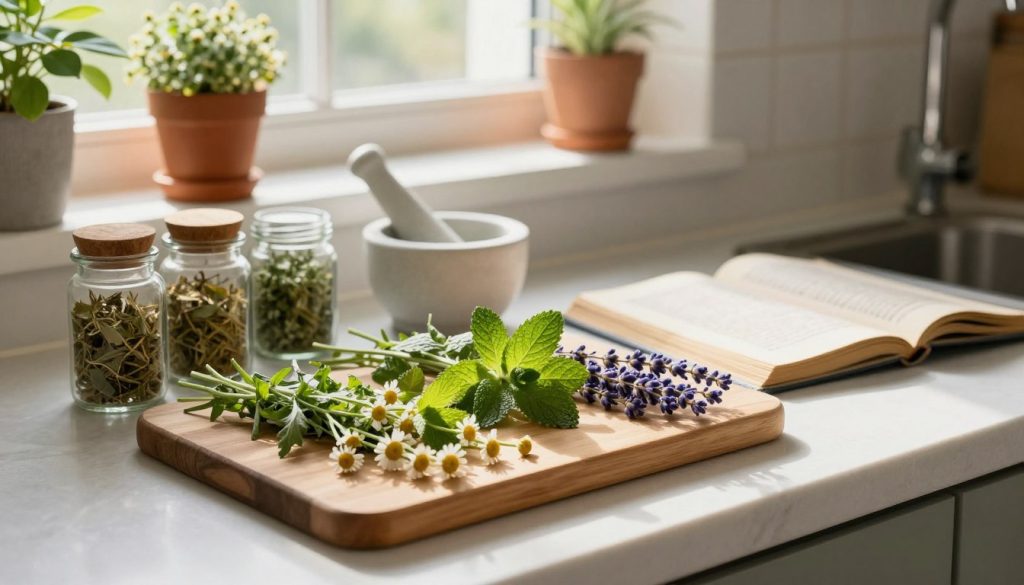
    A serene kitchen countertop filled with a variety of safe herbal remedies. In the foreground, a wooden cutting board holds fresh herbs like chamomile, peppermint, and lavender, alongside small glass jars of dried herbs. In the middle ground, a mortar and pestle sit next to an open herbal guidebook, emphasizing natural healing. In the background, sunlight streams through a window, casting a warm glow across the scene, with a few potted plants on the windowsill adding a touch of greenery. The overall mood is calm and inviting, reflecting a safe and effective approach to using herbs in everyday life. Use a soft focus lens effect to enhance the tranquility of the image, and capture it from a slightly elevated angle to showcase the layout.

    By understanding the factors that contribute to safe herbal remedy use, you can harness the benefits of plant-based medicine while minimizing potential risks.

    10 Essential Herbs for Your Home Pharmacy

    Stocking your home pharmacy with essential herbs is a simple yet powerful way to take control of your health. Natural remedies have been used for centuries to prevent and treat various health concerns, offering a holistic approach to wellbeing.

    Versatile Healing Herbs

    Some herbs stand out for their versatility and wide range of health benefits. These herbs can be used in various forms, from teas and tinctures to salves and infusions, making them invaluable additions to your home pharmacy.

    Echinacea for Immune Support

    Echinacea is renowned for its ability to boost the immune system and fight off infections. It’s commonly used to prevent colds and flu.

    Ginger for Digestion and Inflammation

    Ginger has natural anti-inflammatory properties and is often used to aid digestion and relieve nausea.

    Chamomile for Relaxation and Sleep

    Chamomile is a calming herb that can help promote relaxation and improve sleep quality.

    Peppermint for Digestive Relief

    Peppermint is known for its ability to soothe digestive issues, including bloating and indigestion.

    Turmeric for Pain and Inflammation

    Turmeric contains curcumin, a compound with potent anti-inflammatory and pain-relieving properties.

    Herbal Combinations for Enhanced Effects

    Combining different herbs can enhance their individual effects, creating powerful remedies for various health concerns. For example, combining echinacea with ginger can provide both immune support and anti-inflammatory benefits.

    Experimenting with different herbal combinations can help you find the most effective solutions for your specific health needs.

    Creating Your Own Herbal Remedies

    Creating herbal remedies at home is an empowering way to explore alternative health options. By making your own herbal supplements, you can tailor your health solutions to your specific needs.

    Essential Equipment and Ingredients

    To start making herbal remedies, you’ll need some basic equipment and ingredients. Essential items include a digital scale, glass jars, and a selection of high-quality herbs. Choosing organic and sustainably sourced herbs ensures the best results.

    • Digital scale
    • Glass jars with lids
    • High-quality, organic herbs
    • Carrier oils (e.g., coconut or olive oil)
    • Beeswax

    Step-by-Step Guide to Making Tinctures

    Making tinctures is a straightforward process that involves steeping herbs in a solvent, typically alcohol or glycerin. The ratio of herb to solvent is crucial for the effectiveness of the tincture.

    1. Fill a jar with the chosen herb.
    2. Cover the herb with the solvent, leaving about an inch at the top.
    3. Seal the jar and store it in a cool, dark place for 2-4 weeks, shaking it daily.
    4. Strain the mixture and store the tincture in a dark glass bottle.
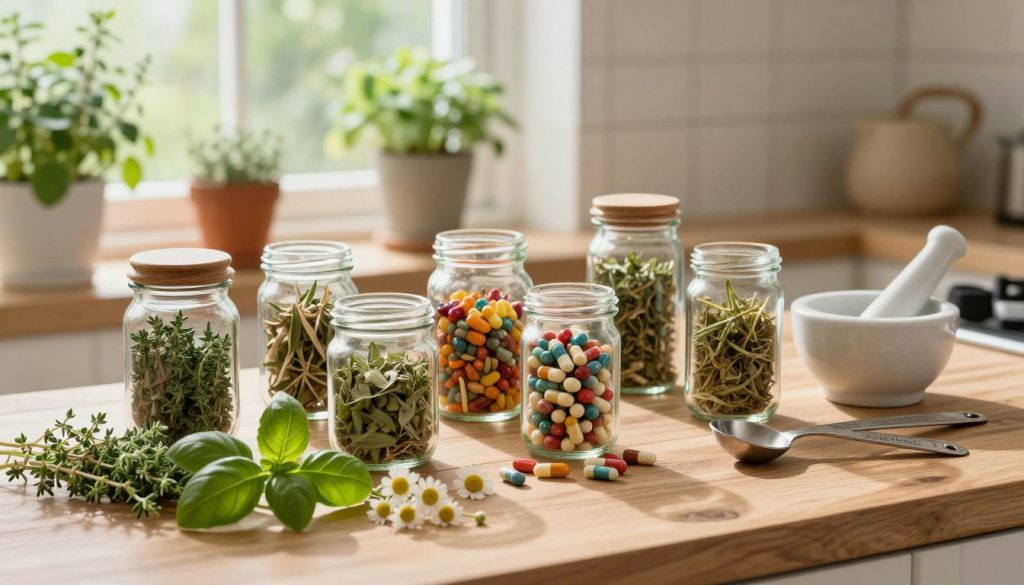
    A serene, well-lit kitchen scene showcasing an array of vibrant herbal supplements in glass jars, neatly arranged on a rustic wooden countertop. In the foreground, fresh herbs like basil, thyme, and chamomile are artfully laid out alongside measuring spoons and a mortar and pestle, emphasizing the process of creating herbal remedies. The middle ground features a few open jars filled with colorful capsules and dried herbs, casting gentle shadows. In the background, soft natural light filters through a window, illuminating potted plants and an herb garden, creating a peaceful and inviting atmosphere. The overall mood is calming and inspiring, encapsulating the essence of homemade herbal wellness in a cozy, organic setting.

    Brewing Effective Herbal Teas and Infusions

    Herbal teas and infusions are simple to make and offer a gentle way to enjoy the benefits of herbs. The key is using the right amount of herb and steeping it for the appropriate amount of time.

    Herb Amount Steeping Time
    Peppermint 1 tablespoon 5-7 minutes
    Chamomile 1 tablespoon 3-5 minutes

    Creating Healing Salves and Balms

    Salves and balms are topical remedies that can be used to soothe skin irritations and promote healing. Combining herbs with nourishing oils and beeswax creates a protective barrier on the skin.

    To make a salve, melt the beeswax and mix it with infused oils and your chosen herbs. Pour the mixture into jars and let it cool before use.

    Natural Solutions for Common Health Concerns

    Incorporating herbal remedies into your daily routine can be a powerful way to address common health issues naturally. Many people are turning to holistic health solutions to manage their well-being without relying heavily on pharmaceuticals.

    Herbal Remedies for Digestive Issues

    Digestive problems are a common affliction, and herbal remedies can offer significant relief. Herbs like peppermint, ginger, and chamomile are known for their soothing effects on the digestive system. Peppermint oil capsules can help alleviate irritable bowel syndrome (IBS) symptoms, while ginger tea can ease nausea and discomfort.

    Plant-Based Relief for Stress and Anxiety

    Stress and anxiety are increasingly prevalent in modern life. Herbal remedies such as ashwagandha and passionflower have been shown to have anxiolytic effects, helping to calm the mind and body. Incorporating these herbs into your routine, perhaps through teas or tinctures, can promote relaxation and reduce stress levels.

    Herbs for Immune Support and Cold Relief

    Maintaining a healthy immune system is crucial, especially during cold and flu season. Herbs like echinacea and elderberry are renowned for their immune-boosting properties. Echinacea can help reduce the severity of colds, while elderberry has antiviral properties that can aid in fighting off infections.

    Natural Pain Management Solutions

    Chronic pain can be debilitating, but natural remedies offer an alternative to conventional painkillers. Turmeric, with its active compound curcumin, has potent anti-inflammatory properties, making it effective for managing pain. Similarly, willow bark contains salicin, which is similar to aspirin and can help alleviate pain and inflammation.

    Herb Health Benefit Common Form
    Peppermint Digestive relief Tea, oil capsules
    Ashwagandha Stress and anxiety relief Tincture, capsules
    Echinacea Immune support Capsules, tea
    Turmeric Pain management Powder, capsules

    Important Safety Considerations

    While herbal remedies offer numerous health benefits, it’s crucial to be aware of potential safety considerations. Herbal medicine, though generally safe, can interact with other medications or have adverse effects in certain individuals. Being informed is key to using these alternative health options effectively.
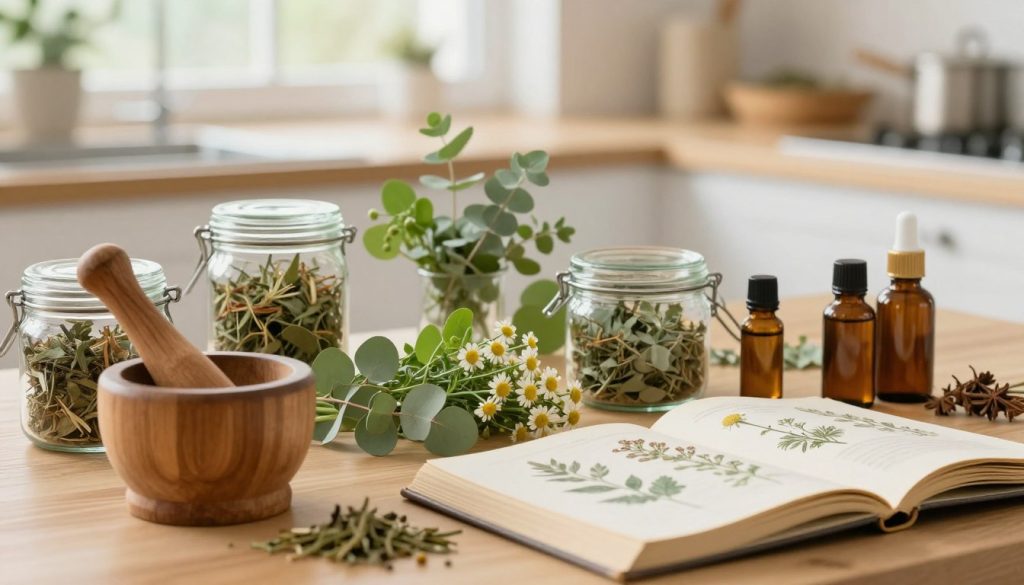
    A serene tabletop scene featuring a selection of various herbal medicines, including dried herbs, jars of tinctures, and fresh plants, arranged thoughtfully. In the foreground, a wooden mortar and pestle sits alongside an open book, displaying illustrations of the herbs. The middle ground showcases vibrant green herbs like eucalyptus and chamomile, while a blurred background reveals a soft-focus kitchen environment with natural light streaming through a window, creating a warm and inviting atmosphere. The scene captures an essence of safety and care in herbal medicine use, emphasizing the importance of knowledge and professionalism in natural remedies. The image is softly lit, evoking a peaceful, healing vibe, suitable for educational purposes.

    Herb-Drug Interactions to Be Aware Of

    Some herbs can interact with prescription medications, either enhancing their effects or reducing their efficacy. For example, St. John’s Wort can interfere with the effectiveness of certain antidepressants and blood thinners. It’s essential to research potential interactions before combining herbal remedies with conventional medications.

    Always check for potential herb-drug interactions to avoid adverse reactions. Consulting a reliable resource or a healthcare professional can provide guidance on safe combinations.

    When to Consult a Healthcare Professional

    It’s advisable to consult a healthcare professional before starting any new herbal remedy, especially if you have underlying health conditions, are pregnant, or are taking other medications. A professional can offer personalized advice based on your health status and medication regimen.

    “The combination of herbal remedies with conventional medicine requires careful consideration and professional guidance to ensure safety and efficacy.”

    By being aware of these factors, you can safely incorporate non-toxic remedies into your health routine, maximizing their benefits while minimizing risks.

    Conclusion

    As we’ve explored throughout this article, incorporating plant-based remedies and herbal supplements into your daily routine can be a safe and effective way to support your overall health and wellness.

    By understanding the benefits and potential risks associated with safe herbal remedies for everyday use, you can make informed decisions about your health and take a proactive approach to maintaining a balanced lifestyle.

    Whether you’re looking to alleviate a specific health concern or simply seeking to enhance your overall well-being, the world of herbal medicine offers a wealth of natural solutions and remedies to explore.

    With the knowledge and insights gained from this article, you’re now empowered to confidently navigate the realm of herbal remedies and unlock their full potential for a healthier, happier you.
    FAQ

    What are some safe herbal remedies for everyday use?

    Some safe herbal remedies for everyday use include echinacea for immune support, ginger for digestion and inflammation, chamomile for relaxation and sleep, and turmeric for pain and inflammation. These herbs are considered safe when used properly and in moderation.

    How do I identify quality herbs and products?

    To identify quality herbs and products, look for organic and non-GMO certifications, and check the ingredient labels for purity and potency. Research the manufacturer’s reputation and read reviews from other customers to ensure you’re getting a high-quality product.

    What is the proper dosage and administration for herbal remedies?

    The proper dosage and administration for herbal remedies vary depending on the herb and the individual’s health status. Always follow the recommended dosage on the product label, and consult with a healthcare professional if you’re unsure. Start with a low dose and gradually increase as needed.

    Can I use herbal remedies if I’m taking prescription medications?

    If you’re taking prescription medications, it’s essential to consult with a healthcare professional before using herbal remedies, as some herbs can interact with medications or exacerbate underlying health conditions. Certain herbs like St. John’s Wort can interact with antidepressants, while others like ginger may interact with blood thinners.

    Are herbal remedies safe for children and pregnant women?

    While some herbal remedies are considered safe for children and pregnant women, others can be toxic or cause adverse effects. Always consult with a healthcare professional before giving herbal remedies to children or using them during pregnancy or breastfeeding. Certain herbs like peppermint and chamomile are generally considered safe, but others like goldenseal should be avoided.

    How can I create my own herbal remedies at home?

    To create your own herbal remedies at home, start by gathering high-quality herbs and essential equipment like a mortar and pestle or a glass jar. Follow a step-by-step guide to making tinctures, teas, or salves, and always follow proper sanitation and storage procedures to ensure the quality and safety of your herbal remedies.

    What are some natural solutions for common health concerns?

    Some natural solutions for common health concerns include herbal teas for digestive issues, aromatherapy for stress and anxiety, and topical creams for pain management. Certain herbs like turmeric and ginger have anti-inflammatory properties, while others like valerian root promote relaxation and sleep.

    How can I ensure the herbal remedies I’m using are non-toxic?

    To ensure the herbal remedies you’re using are non-toxic, research the herb’s potential toxicity and interactions, and follow the recommended dosage. Look for products that have been tested for purity and potency, and consult with a healthcare professional if you’re unsure about the safety of a particular herb or product.
  • Explore the Top Herbal Remedies Explained

    Explore the Top Herbal Remedies Explained

    Are you seeking a more natural approach to health and wellness? In recent years, herbal medicine has gained significant attention for its potential to provide effective and gentle solutions.

    The use of natural treatments has become increasingly popular as people look for alternatives to conventional medicine. Herbal remedies offer a wide range of benefits, from promoting relaxation to supporting immune function.

    Key Takeaways

    • Herbal medicine is a growing field in natural health.
    • Natural treatments offer alternatives to conventional medicine.
    • Herbal remedies provide various health benefits.
    • They can be used to promote relaxation and support immune function.
    • Herbal remedies are becoming increasingly popular.

    Understanding the World of Herbal Medicine

    With a history spanning millennia, herbal medicine continues to be a vital part of global healthcare traditions. The use of plants for healing purposes dates back to ancient civilizations, where they were used not only for their medicinal properties but also for spiritual and cultural practices.

    The Ancient Roots of Herbal Healing

    Herbal healing has its roots in traditional practices passed down through generations. Many cultures have relied on the medicinal properties of plants to treat various health conditions. The knowledge of which plants to use and how to prepare them has been preserved through oral traditions and written records.

    How Herbal Remedies Work in the Body

    Herbal remedies work by introducing active compounds into the body, which then interact with biological systems to produce therapeutic effects. Understanding how these compounds work is crucial to appreciating the value of herbal medicine.

    Active Compounds in Medicinal Plants

    Medicinal plants contain a variety of active compounds, including alkaloids, glycosides, and terpenes. These compounds are responsible for the therapeutic effects of herbal remedies.

    Bioavailability and Absorption Factors

    The effectiveness of herbal remedies depends on the bioavailability of their active compounds. Factors such as the method of preparation, the presence of other compounds, and individual digestive health can influence how well these compounds are absorbed by the body.

    Active Compound Plant Source Therapeutic Effect
    Alkaloids Turmeric, Ginger Anti-inflammatory
    Glycosides Foxglove, Senna Cardiac and Laxative Effects
    Terpenes Lavender, Peppermint Calming and Digestive Aid

    The Most Popular Herbal Remedies Explained

    As we explore the most popular herbal remedies, it’s essential to understand what makes them stand out and whether they are backed by science. The popularity of an herbal remedy can be influenced by various factors, including cultural traditions, marketing, and personal recommendations.

    What Makes a Remedy “Popular” and Effective

    A remedy becomes popular often due to a combination of its perceived effectiveness, cultural significance, and ease of access. For instance, ginger has been widely used for digestive issues, not just because of its efficacy but also due to its availability and cultural acceptance.

    The effectiveness of herbal remedies can be attributed to their bioactive compounds. For example, Turmeric contains curcumin, which has potent anti-inflammatory properties.

    Scientific Research Behind Herbal Treatments

    Scientific research plays a crucial role in validating the effectiveness of herbal remedies. Studies on Echinacea, for instance, have shown its potential in boosting the immune system, although results are mixed.

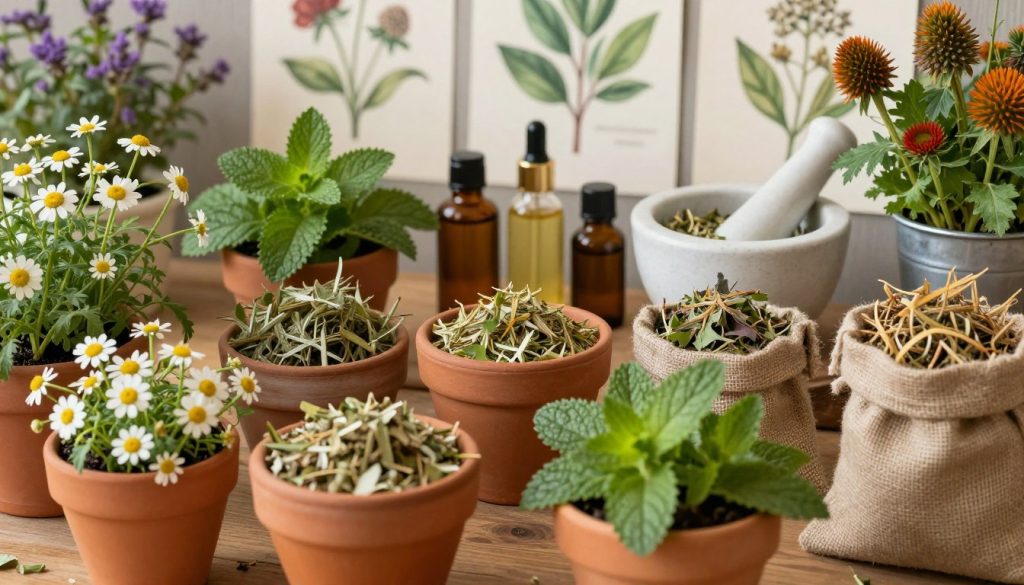
    A vibrant display of popular herbal remedies, featuring an assortment of fresh herbs and dried plants. In the foreground, include recognizable herbs like chamomile, peppermint, and echinacea, beautifully arranged in clay pots and burlap sacks. The middle ground will show a wooden table adorned with mortar and pestle, where crushed herbs are visible, alongside a few natural oil bottles. In the background, softly blurred botanical illustrations of the herbs add depth. Use warm, natural lighting to create a cozy, inviting atmosphere, reminiscent of a tranquil herbal apothecary. The image should be well-composed, with a shallow depth of field, focusing on the richness and textures of the herbs and materials.

    A comprehensive review of scientific literature reveals that some herbal remedies have robust evidence supporting their use, while others lack substantial backing.

    Herbal Remedy Traditional Use Scientific Evidence
    Ginger Digestive aid Anti-inflammatory properties
    Turmeric Anti-inflammatory Curcumin’s anti-inflammatory effects
    Echinacea Immune booster Mixed results on immune system support

    Distinguishing Between Traditional Use and Proven Benefits

    It’s crucial to differentiate between the traditional use of herbal remedies and their proven benefits through scientific research. While traditional use provides valuable insights, scientific validation is essential for understanding their true efficacy and safety.

    By combining traditional knowledge with modern scientific research, we can better understand the potential benefits and limitations of popular herbal remedies.

    Powerful Herbs for Immune Support

    Supporting immune function through herbal remedies is a practice rooted in tradition and backed by science. Certain herbs have been used for centuries to boost our body’s natural defenses against illness.

    Echinacea: The Cold Fighter

    Echinacea is one of the most popular herbs for immune support, known for its ability to fight off the common cold. It comes in various forms, making it versatile for different needs.

    How to Use: Teas, Tinctures, and Capsules

    You can enjoy echinacea as a soothing tea, take it as a tincture for a more concentrated dose, or opt for capsules for convenience. Here are some ways to incorporate it into your routine:

    • Drink echinacea tea at the first sign of a cold
    • Take 20-30 drops of echinacea tincture three times a day
    • Follow the recommended dosage on echinacea capsules

    Elderberry: Nature’s Flu Remedy

    Elderberry is renowned for its effectiveness against the flu. It’s rich in antioxidants and has antiviral properties.

    Preparing Elderberry Syrup at Home

    Making elderberry syrup at home is simple and rewarding. Here’s a basic recipe:

    1. Combine elderberries with water and simmer
    2. Strain the mixture and mix with honey
    3. Store the syrup in the refrigerator

    Astragalus: The Long-Term Immune Builder

    Astragalus is a herb that supports long-term immune health. It’s often used in traditional Chinese medicine to enhance the body’s natural defenses.

    By incorporating these herbs into your daily routine, you can take a proactive approach to supporting your immune system. Whether you’re looking to prevent illness or recover from it, echinacea, elderberry, and astragalus offer powerful natural solutions.

    Herbal Solutions for Stress and Anxiety

    In today’s fast-paced world, stress and anxiety have become unwelcome companions for many, making natural remedies like herbal solutions increasingly appealing. Herbal remedies offer a gentle yet effective approach to managing stress and anxiety.

    Ashwagandha: The Adaptogen Powerhouse

    Ashwagandha is renowned for its adaptogenic properties, helping the body to adapt to stress and promoting balance. Studies have shown that ashwagandha can significantly reduce cortisol levels, thereby alleviating stress.

    Recommended Forms and Dosages

    Ashwagandha is available in various forms, including capsules, powders, and teas. The recommended dosage varies, but typically ranges from 300 to 500 mg per day.

    Valerian Root: Nature’s Tranquilizer

    Valerian root is a natural sedative, known for its ability to promote relaxation and improve sleep quality. It works by enhancing the effects of GABA, a neurotransmitter that helps regulate calmness.

    Lavender: Calming Mind and Body

    Lavender is celebrated for its calming properties, often used in aromatherapy to reduce anxiety. Inhaling lavender oil can have a soothing effect on the mind and body.

    Creating a Lavender Sleep Sachet

    To create a lavender sleep sachet, simply fill a small cloth bag with dried lavender flowers and place it near your pillow. This can help promote a restful night’s sleep.

    A serene scene depicting a beautifully arranged lavender field during the golden hour, with soft, warm sunlight illuminating the blossoms, creating a calming atmosphere. In the foreground, a wooden table holds a delicate glass bottle of lavender essential oil alongside fresh lavender sprigs and a small ceramic bowl of dried lavender buds. In the middle ground, a tranquil person in modest casual attire practices yoga, surrounded by the aromatic lavender, embodying relaxation and mindfulness. The background features rolling hills dotted with lavender plants under a clear blue sky, enhancing the peaceful vibe. The overall mood is soothing and rejuvenating, inviting viewers to experience the stress-relieving essence of lavender.

    Digestive Health Herbs and Their Applications

    Herbal remedies have been used for centuries to support digestive health, offering a natural solution to common problems. Various herbs have been found to alleviate symptoms of digestive discomfort, promoting overall well-being.

    Ginger: The Versatile Digestive Aid

    Ginger is renowned for its digestive benefits, helping to alleviate nausea and reduce inflammation. To harness its benefits, you can make a soothing ginger tea.

    Step-by-Step Fresh Ginger Tea Recipe

    • Slice a 1-inch piece of fresh ginger.
    • Boil 2 cups of water in a pot.
    • Add the sliced ginger to the boiling water.
    • Reduce heat and simmer for 5-7 minutes.
    • Strain the tea into a cup and enjoy.

    Peppermint: Soothing Intestinal Discomfort

    Peppermint is another herb that is highly effective in soothing digestive issues, particularly intestinal discomfort. Its calming effects can help reduce symptoms of irritable bowel syndrome (IBS).

    Fennel: The Gas and Bloating Reliever

    Fennel seeds are known to relieve gas and bloating, making it a popular remedy for digestive discomfort. You can make fennel seed water to aid digestion.

    Making Fennel Seed Water for Digestion

    1. Crush 1 teaspoon of fennel seeds.
    2. Add the crushed seeds to 1 cup of boiling water.
    3. Let it steep for 5-10 minutes.
    4. Strain and drink the water.

    By incorporating these herbs into your daily routine, you can promote digestive health and alleviate common digestive issues. Whether through teas, infusions, or simply adding them to your meals, these natural remedies can make a significant difference.

    How to Properly Prepare Herbal Remedies

    Preparing herbal remedies at home can be a rewarding experience, allowing you to harness the full potential of nature’s medicine. With a few simple steps, you can create effective remedies that promote health and wellness.

    Step 1: Selecting Quality Herbs

    The quality of your herbal remedies starts with the herbs themselves. Look for high-quality, organic herbs that are free from contaminants and pesticides. Consider sourcing herbs from reputable suppliers or growing your own.

    Step 2: Making Effective Herbal Teas and Infusions

    Herbal teas and infusions are among the simplest ways to prepare herbal remedies. To make an effective tea, use 1-2 teaspoons of dried herb per cup of boiling water. Steep for 5-10 minutes, depending on the herb, and strain before drinking.

    A beautifully arranged scene of herbal preparations on a rustic wooden table, featuring an assortment of fresh herbs such as basil, peppermint, and chamomile in wooden bowls and glass jars. In the foreground, a mortar and pestle made of smooth stone, with crushed herbs scattered nearby, highlighting the preparation process. In the middle ground, delicate glass vials and a notebook with handwritten notes about herbal remedies, softly glowing in warm, natural light from a nearby window. The background features a blurred herbal garden with lush green foliage and soft sunlight filtering through, creating a tranquil and inviting atmosphere. The color palette is warm and earthy, evoking a sense of calm and wellness, ideal for illustrating the art of herbal remedy preparation.

    Step 3: Creating Tinctures and Extracts

    Tinctures are concentrated herbal extracts made by steeping herbs in a solvent, usually alcohol or glycerin. To create a tincture, combine 1 part herb with 2 parts solvent in a clean glass jar. Store in a cool, dark place for 2-4 weeks, shaking daily.

    Equipment Needed for Home Preparations

    To prepare herbal remedies at home, you’ll need a few basic pieces of equipment, including a glass jar, cheesecloth, and a measuring cup. For tinctures, you’ll also need a solvent and a dropper bottle.

    Step 4: Proper Storage of Herbal Preparations

    Proper storage is crucial to maintaining the potency of your herbal remedies. Store teas and infusions in airtight containers in a cool, dark place. Tinctures should be kept in dark glass bottles, away from direct sunlight.

    Safety Considerations When Using Herbal Treatments

    The safety of herbal treatments is a multifaceted issue that involves understanding potential herb-drug interactions and product quality. While herbal remedies can offer numerous health benefits, they can also pose risks if not used properly.

    Potential Herb-Drug Interactions to Watch For

    Herbal remedies can interact with prescription medications, sometimes leading to adverse effects. For instance, St. John’s Wort can interfere with the efficacy of certain antidepressants and blood thinners.

    Identifying Quality Herbal Products

    To ensure safety, it’s crucial to identify high-quality herbal products. This involves:

    • Checking for third-party certifications like NSF International or ConsumerLab.com
    • Reading labels carefully for ingredients and instructions
    • Being aware of the manufacturer’s reputation

    Reading Labels and Certifications

    Understanding labels and certifications is key to making informed decisions. Look for clear ingredient lists and any relevant certifications that ensure the product meets certain standards.

    When to Consult a Healthcare Professional

    It’s advisable to consult a healthcare professional before starting any herbal treatment, especially if you’re already on medication or have a chronic health condition. They can provide guidance on safe usage and potential interactions.

    Conclusion: Integrating Herbal Remedies Into Your Wellness Routine

    As we’ve explored throughout this article, herbal remedies offer a natural and effective way to enhance overall health and well-being. By understanding the various herbs and their applications, you can create a personalized wellness routine that incorporates the benefits of herbal medicine.

    To start integrating herbal remedies into your daily life, begin by identifying your specific health needs, whether it’s immune support, stress relief, or digestive health. Then, explore the various herbal options available, such as Echinacea, Ashwagandha, or Ginger, and choose the ones that best suit your requirements.

    Proper preparation and safety considerations are also crucial when using herbal remedies. By following the guidelines outlined in this article, you can ensure a safe and effective herbal remedies integration into your wellness routine.

    By incorporating herbal remedies into your daily routine, you can take a proactive approach to maintaining your health and promoting overall wellness. Start your herbal journey today and experience the benefits of a more balanced and healthy lifestyle.

    FAQ

    What are herbal remedies?

    Herbal remedies are natural treatments derived from plants, used to promote health and wellness. They have been used for centuries in various cultures and are becoming increasingly popular as a complementary approach to conventional medicine.

    How do herbal remedies work in the body?

    Herbal remedies work by utilizing the bioactive compounds present in plants, which interact with the body’s biochemical processes to produce therapeutic effects. These compounds can help restore balance, alleviate symptoms, and support overall health.

    Are herbal remedies safe to use?

    While herbal remedies are generally considered safe, they can interact with medications, exacerbate certain health conditions, or cause allergic reactions in some individuals. It’s essential to consult with a healthcare professional before using herbal remedies, especially if you’re taking prescription medications or have underlying health concerns.

    How do I choose high-quality herbal products?

    To choose high-quality herbal products, look for products that are labeled with certifications like Good Manufacturing Practice (GMP) or those that have been tested by third-party organizations. Reading labels carefully, researching the manufacturer, and consulting with a healthcare professional can also help ensure you’re getting a quality product.

    Can I prepare herbal remedies at home?

    Yes, many herbal remedies can be prepared at home using simple techniques like making teas, infusions, or tinctures. However, it’s crucial to follow proper preparation methods, use high-quality herbs, and store your preparations correctly to ensure their potency and safety.

    What are some common herbal remedies for immune support?

    Echinacea, elderberry, and astragalus are popular herbal remedies used to support immune function. Echinacea is often used to help combat colds, while elderberry is believed to have antiviral properties that can help alleviate flu symptoms. Astragalus is used to build long-term immune resilience.

    How can herbal remedies help with stress and anxiety?

    Herbal remedies like ashwagandha, valerian root, and lavender have been traditionally used to alleviate stress and anxiety. Ashwagandha is an adaptogen that helps the body adapt to stress, while valerian root and lavender promote relaxation and improve sleep quality.

    Are there any herbal remedies for digestive issues?

    Yes, herbs like ginger, peppermint, and fennel are commonly used to support digestive health. Ginger has natural anti-inflammatory properties, peppermint can help soothe intestinal discomfort, and fennel can relieve gas and bloating.