Tag: Herbal Medicine

  • Everyday Herbal Remedies: Safe and Effective

    Everyday Herbal Remedies: Safe and Effective

    Are you looking for a more natural approach to managing your health and wellbeing? With the rise of holistic health solutions, many are turning to natural remedies to complement their traditional healthcare routines.

    Natural remedies have been used for centuries to promote health and alleviate various ailments. This article will explore some of the most effective and safe herbal remedies for everyday use, providing you with a comprehensive guide to incorporating these solutions into your daily life.

    Key Takeaways

    • Discover the benefits of using natural remedies for everyday health issues.
    • Learn about the most effective herbal remedies and their uses.
    • Understand how to safely incorporate these remedies into your daily routine.
    • Explore the connection between holistic health solutions and overall wellbeing.
    • Get tips on choosing the right natural remedies for your specific needs.

    The Healing Power of Plant Medicine

    The therapeutic potential of plants has been harnessed for centuries, offering a natural alternative to conventional medicine. Herbal medicine has been a cornerstone of traditional healing practices worldwide, with many cultures relying on the healing power of plants to treat various ailments.

    As we explore the realm of plant medicine, it becomes evident that ancient traditions are being validated by modern science.

    Ancient Traditions Meet Modern Science

    Modern research has begun to validate the efficacy of many traditional herbal remedies, providing a scientific basis for their use. Studies have shown that certain plants contain bioactive compounds with anti-inflammatory and antimicrobial properties, making them effective against a range of health issues.

    Benefits of Choosing Natural Remedies

    Opting for non-toxic remedies derived from plants can offer a safer alternative to synthetic drugs, potentially reducing the risk of adverse reactions. Furthermore, alternative health options that incorporate herbal medicine can promote a more holistic approach to wellness, focusing on prevention and overall health.

    Safe Herbal Remedies for Everyday Use

    As the demand for natural health solutions grows, it’s crucial to understand how to use herbal remedies safely every day. Herbal supplements can be a valuable addition to your health routine, but their safe use requires careful consideration of several factors.

    Defining Safety in Herbal Medicine

    Safety in herbal medicine involves understanding the potential benefits and risks associated with herbal remedies. Quality and sourcing are paramount; herbs that are contaminated or improperly identified can pose serious health risks. According to a study published in the Journal of Ethnopharmacology, “the safety and efficacy of herbal medicines are closely linked to the quality of the herbal materials used.”

    “The safety and efficacy of herbal medicines are closely linked to the quality of the herbal materials used.”

    Identifying Quality Herbs and Products

    To ensure you’re using high-quality herbs, look for products that have been certified by reputable third-party organizations. Certifications like USP or NSF International indicate that the product has met certain standards for quality and purity. When shopping for herbal supplements, it’s also essential to research the manufacturer and read reviews from other customers.

    Certification Description
    USP United States Pharmacopeia certification ensures the product meets standards for quality and purity.
    NSF International NSF International certification verifies the product’s quality, purity, and safety.

    Understanding Proper Dosage and Administration

    Proper dosage and administration are critical to safely using herbal remedies. Always follow the recommended dosage on the product label, and consult with a healthcare professional if you’re unsure. The dosage may vary depending on factors such as age, health status, and the specific herb being used.
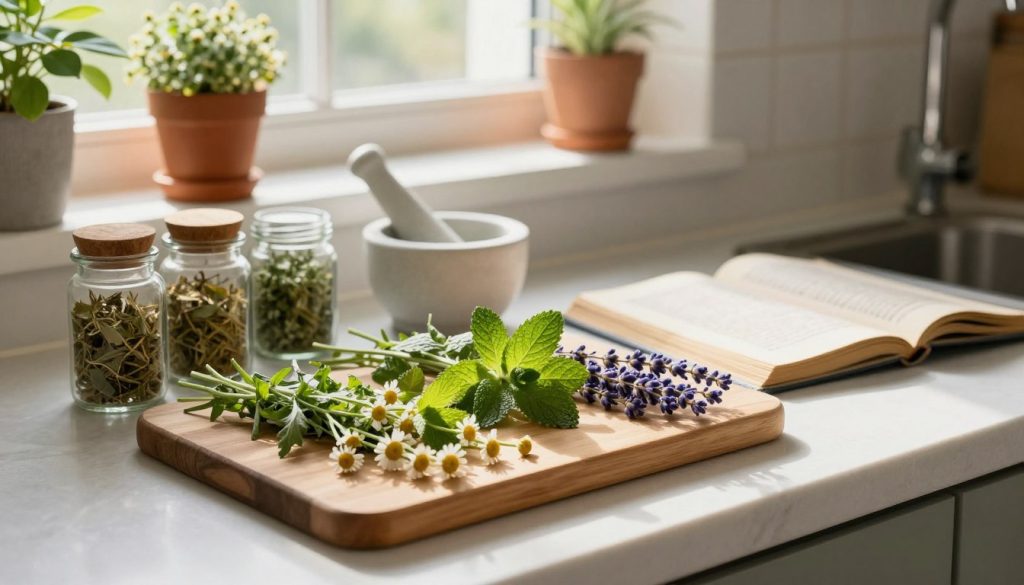
    A serene kitchen countertop filled with a variety of safe herbal remedies. In the foreground, a wooden cutting board holds fresh herbs like chamomile, peppermint, and lavender, alongside small glass jars of dried herbs. In the middle ground, a mortar and pestle sit next to an open herbal guidebook, emphasizing natural healing. In the background, sunlight streams through a window, casting a warm glow across the scene, with a few potted plants on the windowsill adding a touch of greenery. The overall mood is calm and inviting, reflecting a safe and effective approach to using herbs in everyday life. Use a soft focus lens effect to enhance the tranquility of the image, and capture it from a slightly elevated angle to showcase the layout.

    By understanding the factors that contribute to safe herbal remedy use, you can harness the benefits of plant-based medicine while minimizing potential risks.

    10 Essential Herbs for Your Home Pharmacy

    Stocking your home pharmacy with essential herbs is a simple yet powerful way to take control of your health. Natural remedies have been used for centuries to prevent and treat various health concerns, offering a holistic approach to wellbeing.

    Versatile Healing Herbs

    Some herbs stand out for their versatility and wide range of health benefits. These herbs can be used in various forms, from teas and tinctures to salves and infusions, making them invaluable additions to your home pharmacy.

    Echinacea for Immune Support

    Echinacea is renowned for its ability to boost the immune system and fight off infections. It’s commonly used to prevent colds and flu.

    Ginger for Digestion and Inflammation

    Ginger has natural anti-inflammatory properties and is often used to aid digestion and relieve nausea.

    Chamomile for Relaxation and Sleep

    Chamomile is a calming herb that can help promote relaxation and improve sleep quality.

    Peppermint for Digestive Relief

    Peppermint is known for its ability to soothe digestive issues, including bloating and indigestion.

    Turmeric for Pain and Inflammation

    Turmeric contains curcumin, a compound with potent anti-inflammatory and pain-relieving properties.

    Herbal Combinations for Enhanced Effects

    Combining different herbs can enhance their individual effects, creating powerful remedies for various health concerns. For example, combining echinacea with ginger can provide both immune support and anti-inflammatory benefits.

    Experimenting with different herbal combinations can help you find the most effective solutions for your specific health needs.

    Creating Your Own Herbal Remedies

    Creating herbal remedies at home is an empowering way to explore alternative health options. By making your own herbal supplements, you can tailor your health solutions to your specific needs.

    Essential Equipment and Ingredients

    To start making herbal remedies, you’ll need some basic equipment and ingredients. Essential items include a digital scale, glass jars, and a selection of high-quality herbs. Choosing organic and sustainably sourced herbs ensures the best results.

    • Digital scale
    • Glass jars with lids
    • High-quality, organic herbs
    • Carrier oils (e.g., coconut or olive oil)
    • Beeswax

    Step-by-Step Guide to Making Tinctures

    Making tinctures is a straightforward process that involves steeping herbs in a solvent, typically alcohol or glycerin. The ratio of herb to solvent is crucial for the effectiveness of the tincture.

    1. Fill a jar with the chosen herb.
    2. Cover the herb with the solvent, leaving about an inch at the top.
    3. Seal the jar and store it in a cool, dark place for 2-4 weeks, shaking it daily.
    4. Strain the mixture and store the tincture in a dark glass bottle.
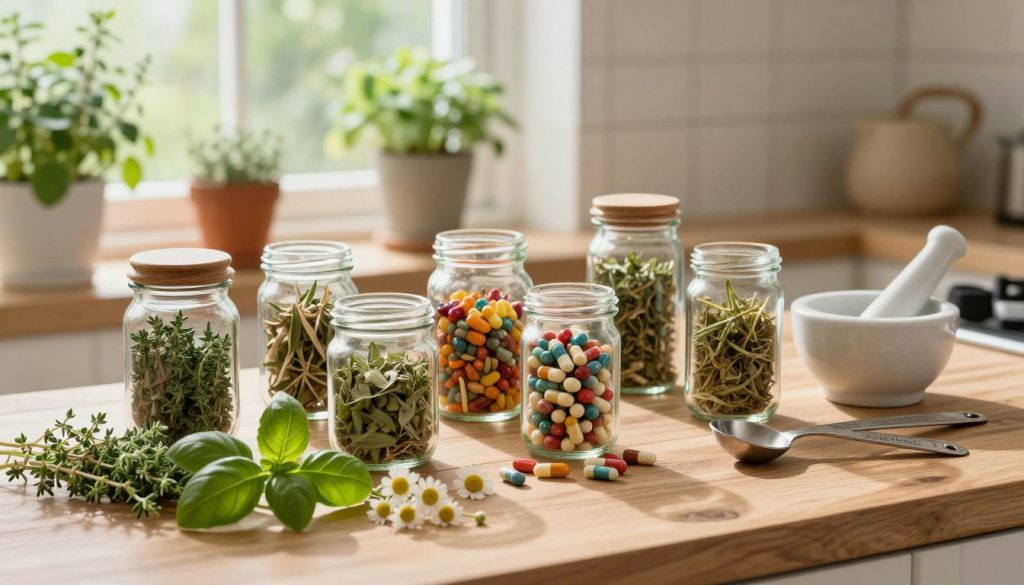
    A serene, well-lit kitchen scene showcasing an array of vibrant herbal supplements in glass jars, neatly arranged on a rustic wooden countertop. In the foreground, fresh herbs like basil, thyme, and chamomile are artfully laid out alongside measuring spoons and a mortar and pestle, emphasizing the process of creating herbal remedies. The middle ground features a few open jars filled with colorful capsules and dried herbs, casting gentle shadows. In the background, soft natural light filters through a window, illuminating potted plants and an herb garden, creating a peaceful and inviting atmosphere. The overall mood is calming and inspiring, encapsulating the essence of homemade herbal wellness in a cozy, organic setting.

    Brewing Effective Herbal Teas and Infusions

    Herbal teas and infusions are simple to make and offer a gentle way to enjoy the benefits of herbs. The key is using the right amount of herb and steeping it for the appropriate amount of time.

    Herb Amount Steeping Time
    Peppermint 1 tablespoon 5-7 minutes
    Chamomile 1 tablespoon 3-5 minutes

    Creating Healing Salves and Balms

    Salves and balms are topical remedies that can be used to soothe skin irritations and promote healing. Combining herbs with nourishing oils and beeswax creates a protective barrier on the skin.

    To make a salve, melt the beeswax and mix it with infused oils and your chosen herbs. Pour the mixture into jars and let it cool before use.

    Natural Solutions for Common Health Concerns

    Incorporating herbal remedies into your daily routine can be a powerful way to address common health issues naturally. Many people are turning to holistic health solutions to manage their well-being without relying heavily on pharmaceuticals.

    Herbal Remedies for Digestive Issues

    Digestive problems are a common affliction, and herbal remedies can offer significant relief. Herbs like peppermint, ginger, and chamomile are known for their soothing effects on the digestive system. Peppermint oil capsules can help alleviate irritable bowel syndrome (IBS) symptoms, while ginger tea can ease nausea and discomfort.

    Plant-Based Relief for Stress and Anxiety

    Stress and anxiety are increasingly prevalent in modern life. Herbal remedies such as ashwagandha and passionflower have been shown to have anxiolytic effects, helping to calm the mind and body. Incorporating these herbs into your routine, perhaps through teas or tinctures, can promote relaxation and reduce stress levels.

    Herbs for Immune Support and Cold Relief

    Maintaining a healthy immune system is crucial, especially during cold and flu season. Herbs like echinacea and elderberry are renowned for their immune-boosting properties. Echinacea can help reduce the severity of colds, while elderberry has antiviral properties that can aid in fighting off infections.

    Natural Pain Management Solutions

    Chronic pain can be debilitating, but natural remedies offer an alternative to conventional painkillers. Turmeric, with its active compound curcumin, has potent anti-inflammatory properties, making it effective for managing pain. Similarly, willow bark contains salicin, which is similar to aspirin and can help alleviate pain and inflammation.

    Herb Health Benefit Common Form
    Peppermint Digestive relief Tea, oil capsules
    Ashwagandha Stress and anxiety relief Tincture, capsules
    Echinacea Immune support Capsules, tea
    Turmeric Pain management Powder, capsules

    Important Safety Considerations

    While herbal remedies offer numerous health benefits, it’s crucial to be aware of potential safety considerations. Herbal medicine, though generally safe, can interact with other medications or have adverse effects in certain individuals. Being informed is key to using these alternative health options effectively.
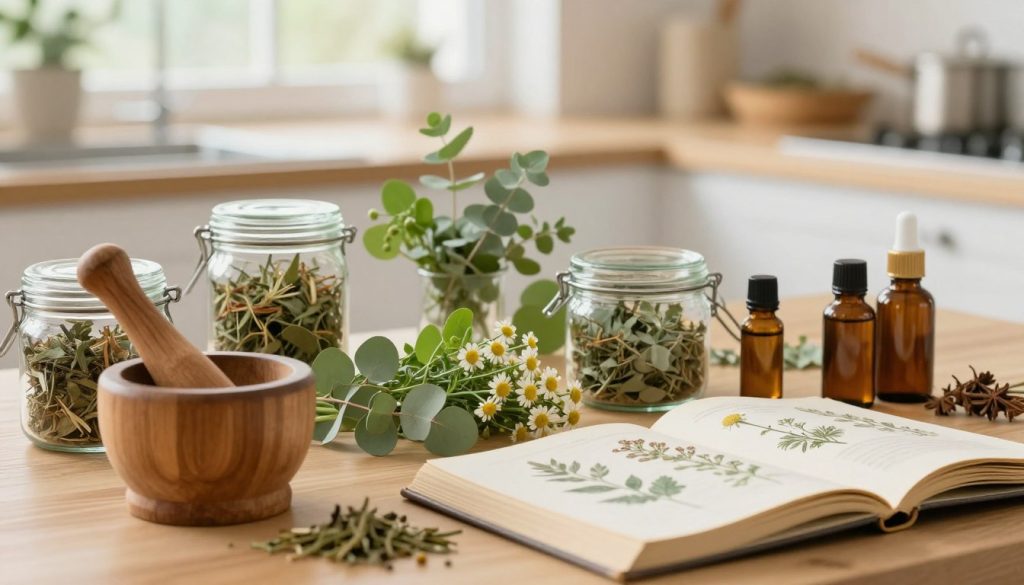
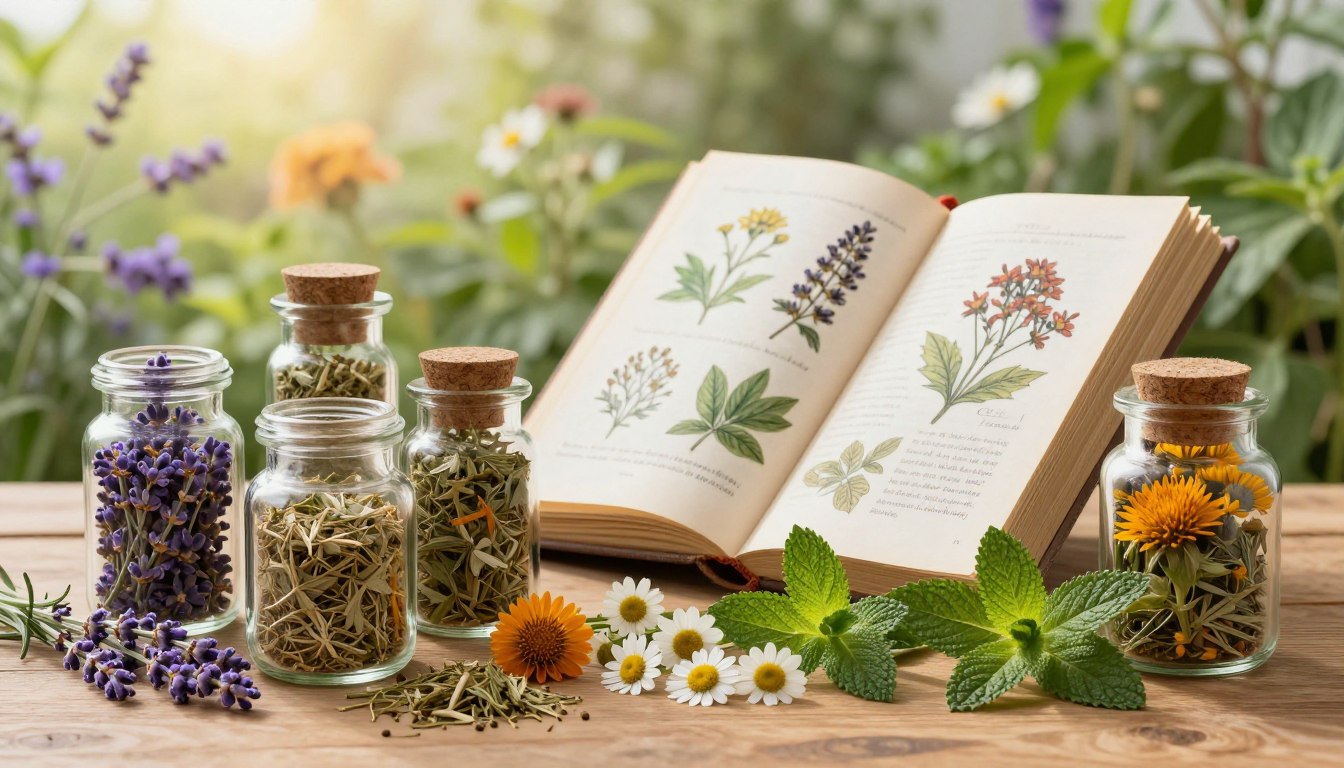
    A serene tabletop scene featuring a selection of various herbal medicines, including dried herbs, jars of tinctures, and fresh plants, arranged thoughtfully. In the foreground, a wooden mortar and pestle sits alongside an open book, displaying illustrations of the herbs. The middle ground showcases vibrant green herbs like eucalyptus and chamomile, while a blurred background reveals a soft-focus kitchen environment with natural light streaming through a window, creating a warm and inviting atmosphere. The scene captures an essence of safety and care in herbal medicine use, emphasizing the importance of knowledge and professionalism in natural remedies. The image is softly lit, evoking a peaceful, healing vibe, suitable for educational purposes.

    Herb-Drug Interactions to Be Aware Of

    Some herbs can interact with prescription medications, either enhancing their effects or reducing their efficacy. For example, St. John’s Wort can interfere with the effectiveness of certain antidepressants and blood thinners. It’s essential to research potential interactions before combining herbal remedies with conventional medications.

    Always check for potential herb-drug interactions to avoid adverse reactions. Consulting a reliable resource or a healthcare professional can provide guidance on safe combinations.

    When to Consult a Healthcare Professional

    It’s advisable to consult a healthcare professional before starting any new herbal remedy, especially if you have underlying health conditions, are pregnant, or are taking other medications. A professional can offer personalized advice based on your health status and medication regimen.

    “The combination of herbal remedies with conventional medicine requires careful consideration and professional guidance to ensure safety and efficacy.”

    By being aware of these factors, you can safely incorporate non-toxic remedies into your health routine, maximizing their benefits while minimizing risks.

    Conclusion

    As we’ve explored throughout this article, incorporating plant-based remedies and herbal supplements into your daily routine can be a safe and effective way to support your overall health and wellness.

    By understanding the benefits and potential risks associated with safe herbal remedies for everyday use, you can make informed decisions about your health and take a proactive approach to maintaining a balanced lifestyle.

    Whether you’re looking to alleviate a specific health concern or simply seeking to enhance your overall well-being, the world of herbal medicine offers a wealth of natural solutions and remedies to explore.

    With the knowledge and insights gained from this article, you’re now empowered to confidently navigate the realm of herbal remedies and unlock their full potential for a healthier, happier you.
    FAQ

    What are some safe herbal remedies for everyday use?

    Some safe herbal remedies for everyday use include echinacea for immune support, ginger for digestion and inflammation, chamomile for relaxation and sleep, and turmeric for pain and inflammation. These herbs are considered safe when used properly and in moderation.

    How do I identify quality herbs and products?

    To identify quality herbs and products, look for organic and non-GMO certifications, and check the ingredient labels for purity and potency. Research the manufacturer’s reputation and read reviews from other customers to ensure you’re getting a high-quality product.

    What is the proper dosage and administration for herbal remedies?

    The proper dosage and administration for herbal remedies vary depending on the herb and the individual’s health status. Always follow the recommended dosage on the product label, and consult with a healthcare professional if you’re unsure. Start with a low dose and gradually increase as needed.

    Can I use herbal remedies if I’m taking prescription medications?

    If you’re taking prescription medications, it’s essential to consult with a healthcare professional before using herbal remedies, as some herbs can interact with medications or exacerbate underlying health conditions. Certain herbs like St. John’s Wort can interact with antidepressants, while others like ginger may interact with blood thinners.

    Are herbal remedies safe for children and pregnant women?

    While some herbal remedies are considered safe for children and pregnant women, others can be toxic or cause adverse effects. Always consult with a healthcare professional before giving herbal remedies to children or using them during pregnancy or breastfeeding. Certain herbs like peppermint and chamomile are generally considered safe, but others like goldenseal should be avoided.

    How can I create my own herbal remedies at home?

    To create your own herbal remedies at home, start by gathering high-quality herbs and essential equipment like a mortar and pestle or a glass jar. Follow a step-by-step guide to making tinctures, teas, or salves, and always follow proper sanitation and storage procedures to ensure the quality and safety of your herbal remedies.

    What are some natural solutions for common health concerns?

    Some natural solutions for common health concerns include herbal teas for digestive issues, aromatherapy for stress and anxiety, and topical creams for pain management. Certain herbs like turmeric and ginger have anti-inflammatory properties, while others like valerian root promote relaxation and sleep.

    How can I ensure the herbal remedies I’m using are non-toxic?

    To ensure the herbal remedies you’re using are non-toxic, research the herb’s potential toxicity and interactions, and follow the recommended dosage. Look for products that have been tested for purity and potency, and consult with a healthcare professional if you’re unsure about the safety of a particular herb or product.
  • How to Use Herbs for Daily Wellness

    How to Use Herbs for Daily Wellness

    Are you tired of relying on synthetic supplements and medications to maintain your health? What if nature’s own pharmacy held the key to a healthier, happier you? In today’s fast-paced world, it’s easy to neglect our well-being, but incorporating herbal wellness into your daily routine can be a game-changer.

    Natural health has been a cornerstone of human well-being for centuries, with herbs playing a vital role in traditional medicine. By harnessing the power of wellness benefits from herbs, you can take a proactive approach to your health.

    Key Takeaways

    • Discover the benefits of incorporating herbs into your daily routine
    • Learn how to harness the power of natural health
    • Explore the various ways to use herbs for overall wellness
    • Understand the importance of herbal wellness in modern times
    • Find out how to make herbs a part of your healthy lifestyle

    Understanding the Power of Herbal Wellness

    Exploring the world of herbal wellness reveals a rich history and a multitude of benefits that can enhance our daily lives. Herbal wellness has been a cornerstone of health practices for centuries, with its roots in traditional medicine.

    The Historical Use of Herbs for Health

    Historically, herbs have been used for their medicinal properties, with ancient civilizations utilizing them in various forms to treat ailments and promote health. The use of herbs for health has been documented across cultures, highlighting their versatility and effectiveness.

    Science Behind Herbal Benefits

    The benefits of herbs are backed by science, with many studies validating their therapeutic properties. For instance, certain herbs are known for their anti-inflammatory properties, while others are valued for their antioxidant content.

    Safety Considerations and Precautions

    While herbs offer numerous health benefits, it’s crucial to be aware of potential risks. This includes understanding herb-drug interactions and being mindful of allergies and sensitivities.

    Herb-Drug Interactions to Be Aware Of

    Some herbs can interact with medications, either enhancing their effects or causing adverse reactions. For example, St. John’s Wort is known to interact with certain antidepressants.

    Allergies and Sensitivities

    Just like any other substance, herbs can cause allergic reactions or sensitivities in some individuals. It’s essential to monitor your body’s response when introducing new herbs into your wellness routine.

    By understanding the historical context, scientific backing, and potential risks associated with herbal wellness, individuals can harness its power to enhance their health and well-being.

    Essential Herbs and Their Wellness Benefits

    Essential herbs play a crucial role in enhancing our well-being, from stress management to improved sleep. These natural wonders have been used for centuries to promote health and wellness. By understanding and utilizing these herbs, individuals can take a proactive approach to their health.

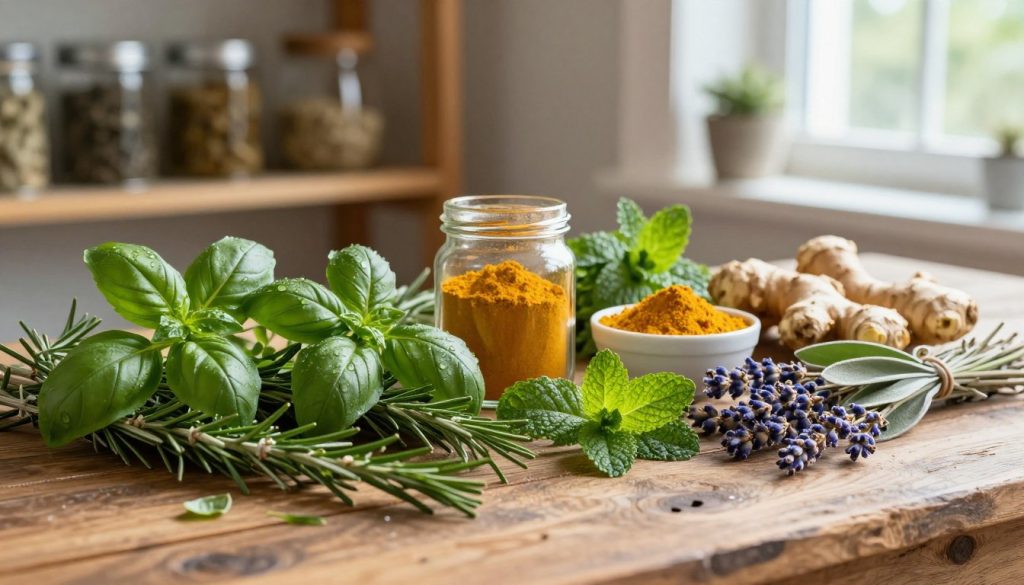
    A serene composition showcasing an abundance of essential herbs for wellness spread across a rustic wooden table. In the foreground, lush green leaves of basil, rosemary, and mint are artfully arranged alongside dried lavender and sage bundles. In the middle, a glass jar filled with golden turmeric powder and a small bowl of fresh ginger root add vibrant color. The background features softly blurred shelves lined with herbal tea tins and rustic jars, enhancing a cozy atmosphere. Natural sunlight filters through a nearby window, casting gentle shadows and highlighting the fresh dew on the herbs. The overall mood conveys tranquility and natural abundance, inviting viewers to explore the wellness benefits of these herbs.

    Adaptogenic Herbs for Stress Management

    Adaptogenic herbs help the body adapt to stress, promoting balance and resilience. Two of the most notable adaptogenic herbs are Ashwagandha and Holy Basil.

    Ashwagandha and Holy Basil

    Ashwagandha is known for its ability to reduce stress and anxiety, while Holy Basil is revered for its calming properties and ability to enhance mental clarity.

    Rhodiola and Ginseng

    Rhodiola and Ginseng are also powerful adaptogens. Rhodiola helps improve mental performance and reduces fatigue, whereas Ginseng is celebrated for its energizing properties and ability to enhance vitality.

    Immune-Boosting Herbal Allies

    Some herbs are renowned for their immune-boosting properties, helping to protect against illnesses. Echinacea and Elderberry are two such herbs that have gained popularity for their immune-supporting benefits.

    Echinacea and Elderberry

    Echinacea is believed to enhance immune function, while Elderberry is rich in antioxidants and has been used to combat colds and flu.

    Astragalus and Reishi Mushroom

    Astragalus and Reishi Mushroom are other immune-boosting herbs. Astragalus is used in traditional Chinese medicine to enhance immune function, and Reishi Mushroom is known for its ability to support overall health and well-being.

    Herbs for Digestive Health

    Digestive health is crucial for overall wellness, and certain herbs can provide significant relief. Peppermint and Ginger are commonly used to soothe digestive issues.

    Peppermint and Ginger

    Peppermint oil can help alleviate symptoms of IBS, while Ginger has natural anti-inflammatory properties that aid digestion.

    Chamomile and Fennel

    Chamomile and Fennel are also beneficial for digestive health. Chamomile can calm the digestive tract, and Fennel is known to reduce bloating and gas.

    Calming Herbs for Better Sleep

    A good night’s sleep is essential for health, and certain herbs can promote relaxation and improve sleep quality. Valerian and Passionflower are known for their calming effects.

    Valerian and Passionflower

    Valerian root is often used as a natural sleep aid, while Passionflower has been traditionally used to treat anxiety and insomnia.

    Lavender and Lemon Balm

    Lavender and Lemon Balm are also effective in promoting relaxation. Lavender can improve sleep quality, and Lemon Balm has a calming effect on the nervous system.

    How to Use Herbs for Daily Wellness

    Incorporating herbs into your daily routine can be a simple yet effective way to enhance your overall wellness. By understanding the various methods of preparation and application, you can harness the full potential of herbal remedies.

    Creating Herbal Teas and Infusions

    Herbal teas and infusions are a popular way to enjoy the benefits of herbs. To make a tea, you can use either hot or cold infusion methods.

    Hot Infusion Methods

    Hot infusion involves steeping herbs in boiling water to release their active compounds. This method is ideal for making teas from dried herbs.

    Cold Brew Techniques

    Cold brew techniques involve steeping herbs in cold water for an extended period, usually several hours or overnight. This method is great for making refreshing herbal infusions.

    Herbal Tinctures and Extracts

    Herbal tinctures and extracts are concentrated forms of herbal remedies that can be used to support health and wellness.

    Making Alcohol-Based Tinctures

    Alcohol-based tinctures involve soaking herbs in a solvent such as vodka or ethanol to extract their active compounds.

    Glycerin-Based Alternatives

    Glycerin-based tinctures are a great alternative for those who prefer not to use alcohol. They involve soaking herbs in glycerin to extract their active compounds.

    Culinary Uses of Medicinal Herbs

    Medicinal herbs can be used in a variety of culinary applications, from cooking to making herbal-infused oils and vinegars.

    Herbal-Infused Oils and Vinegars

    Herbal-infused oils and vinegars can be used to add flavor and nutrition to your meals. Simply steep herbs in oil or vinegar for a few weeks to create a delicious and healthy condiment.

    Cooking with Fresh vs. Dried Herbs

    Both fresh and dried herbs can be used in cooking, depending on the desired flavor and texture. Fresh herbs are great for adding a burst of flavor, while dried herbs are more convenient for storage and use.

    Topical Applications and Herbal Baths

    Topical applications and herbal baths can be used to support skin health and relaxation.

    Herbal Salves and Balms

    Herbal salves and balms involve mixing herbal extracts with oils and waxes to create a topical cream or ointment.

    Therapeutic Bath Blends

    Therapeutic bath blends involve mixing herbs with salts and other ingredients to create a relaxing and rejuvenating bath experience.

    Sourcing and Storing Your Herbal Allies

    To fully benefit from herbal wellness, it’s essential to know how to source and store your herbs properly. This ensures that you get the most out of your herbal allies.

    Growing Your Own Medicinal Herbs

    Growing your own medicinal herbs can be a rewarding experience. It allows you to have control over the quality and freshness of your herbs. Some easy-to-grow herbs include Calendula, Chamomile, and Lavender. These herbs are not only beneficial for health but also add beauty to your garden.

    Purchasing Quality Dried Herbs

    If growing your own herbs isn’t feasible, purchasing quality dried herbs is the next best option. Look for reputable suppliers who provide organic, non-irradiated herbs. Check the packaging for the herb’s origin, packaging date, and any certifications.

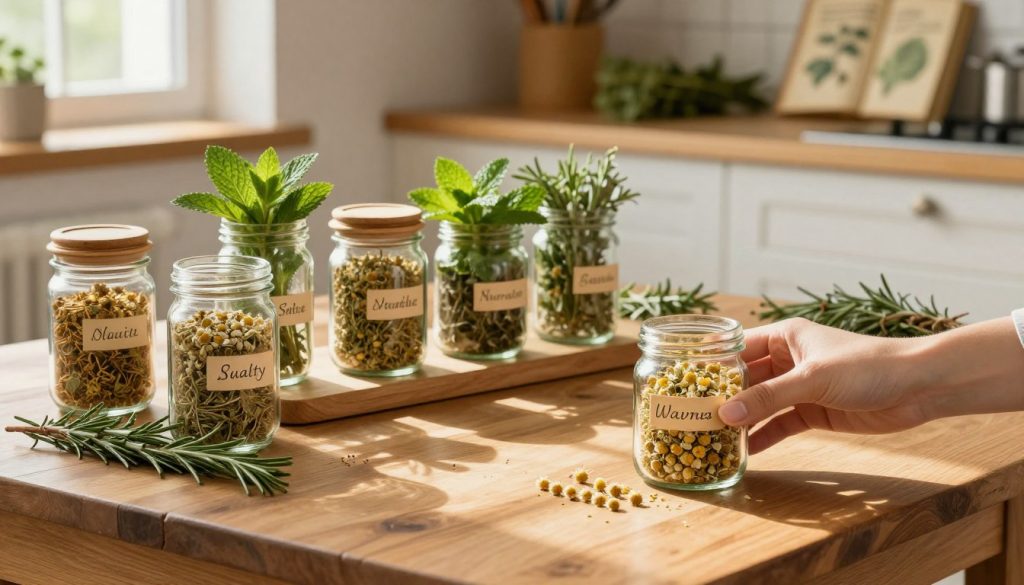
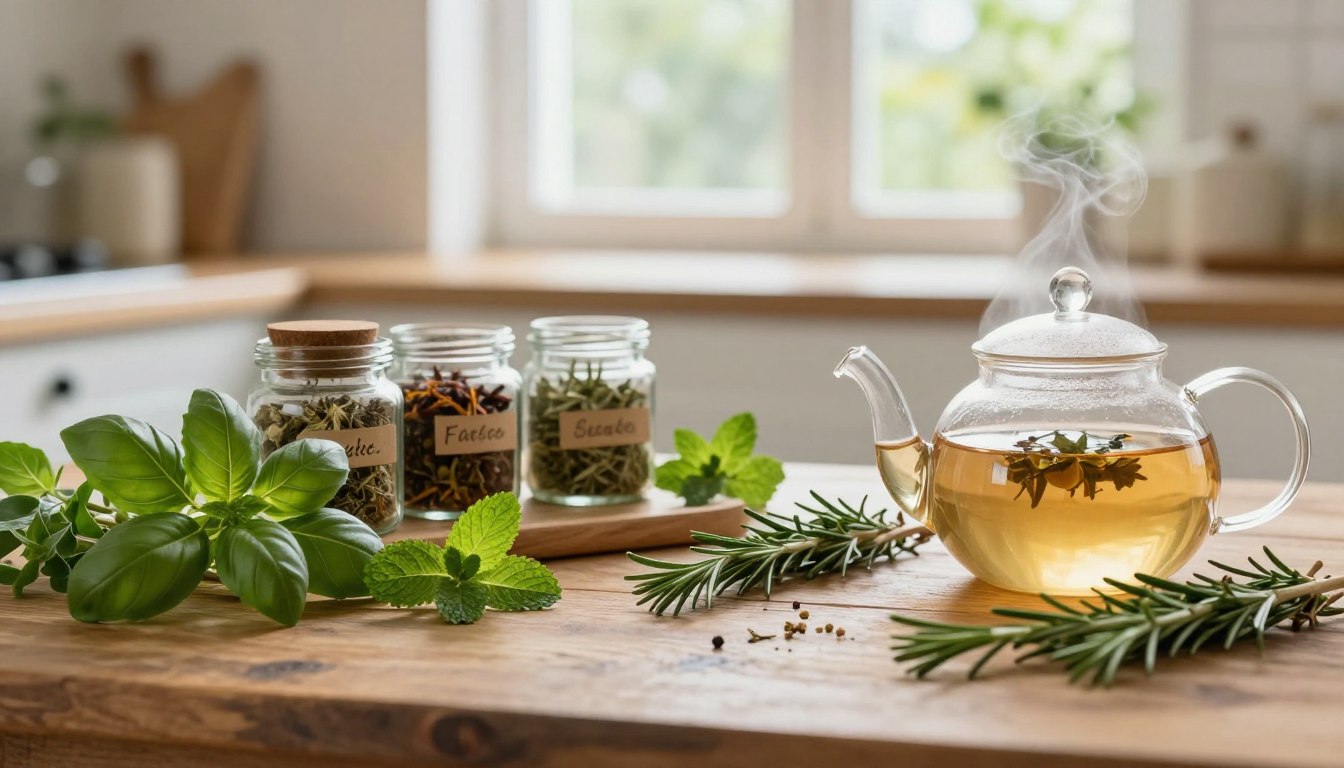
    A rustic wooden table filled with various quality dried herbs like chamomile, mint, and rosemary in glass jars, carefully labeled. In the foreground, a hand gently selects a jar, showcasing a warm, inviting atmosphere. The middle layer features an array of herbs arranged artistically, highlighted by soft, natural lighting streaming in from a nearby window, casting delicate shadows. In the background, a cozy kitchen shelf holds additional herb bundles and vintage botanical books, enhancing the theme of herbal wellness. The image is taken with a shallow depth of field to create a soft-focus effect, evoking a sense of tranquility and connection to nature. Overall, the mood is calm and nurturing, perfect for inspiring wellness practices.

    Proper Storage Techniques

    Proper storage is crucial to maintaining the potency of your herbs. Store dried herbs in airtight containers away from direct sunlight and moisture. Label the containers with the herb’s name and date of storage.

    Herb Storage Method Shelf Life
    Dried Chamomile Airtight Container 1-2 years
    Lavender Buds Airtight Container 1-3 years
    Calendula Petals Airtight Container 1-2 years

    Essential Tools for Herbal Preparation

    Having the right tools can make herbal preparation easier. Essential tools include a digital scale, glass jars, and a herb grinder. These tools help in measuring, storing, and preparing your herbs for use.

    Embracing Herbal Wellness for a Healthier Life

    Incorporating herbs into your daily routine can have a significant impact on your overall wellness. By understanding the power of herbal wellness, exploring essential herbs, and learning how to use them effectively, you can take a proactive approach to supporting your natural health.

    Using herbs for wellness is a simple yet effective way to promote overall health and wellbeing. Whether you’re looking to manage stress, boost your immune system, or improve your digestive health, herbal remedies offer a natural and holistic approach to achieving your wellness goals.

    By sourcing high-quality herbs and storing them properly, you can ensure that you’re getting the most out of your herbal allies. As you continue on your journey to embracing herbal wellness, remember to always prioritize your health and safety by being aware of any potential interactions or allergies.

    Start exploring the world of herbal remedies today and discover the numerous wellness benefits that these natural wonders have to offer. With a little knowledge and creativity, you can harness the power of herbal wellness to achieve a healthier, happier you.

    FAQ

    What are the benefits of using herbs for daily wellness?

    Using herbs for daily wellness can provide numerous benefits, including stress management, immune system support, digestive health, and better sleep. Herbs like ashwagandha, echinacea, and peppermint can be incorporated into daily life to promote overall health and well-being.

    How do I make herbal teas and infusions?

    To make herbal teas and infusions, you can use hot infusion methods or cold brew techniques. Simply steep the desired herbs in hot or cold water, and strain before serving. You can also add honey or lemon to taste.

    What is the difference between herbal tinctures and extracts?

    Herbal tinctures and extracts are concentrated forms of herbs that can be used to support health. Tinctures are typically made with alcohol or glycerin, while extracts can be made using various solvents. Both can be used to support wellness, but it’s essential to follow the recommended dosage.

    Can I grow my own medicinal herbs?

    Yes, growing your own medicinal herbs can be a rewarding experience. Many herbs, such as peppermint, chamomile, and lavender, are easy to grow and can be used to support daily wellness. Make sure to research the specific growing conditions for each herb to ensure optimal growth.

    How do I store my herbal allies properly?

    To store your herbal allies properly, keep them in a cool, dry place, away from direct sunlight. Use airtight containers, such as glass jars, to maintain potency. Label and date the containers, and check on them regularly to ensure they remain fresh.

    Are there any safety considerations when using herbs for wellness?

    Yes, there are safety considerations when using herbs for wellness. Be aware of potential herb-drug interactions, allergies, and sensitivities. Consult with a healthcare professional before using herbs, especially if you have a pre-existing medical condition or are taking medications.

    Can I use herbs in cooking?

    Yes, many medicinal herbs can be used in cooking to promote health and add flavor. Use fresh or dried herbs in recipes, and consider making herbal-infused oils and vinegars to add to your dishes. Be mindful of the amount used, as some herbs can be potent.

    How do I make herbal salves and balms?

    To make herbal salves and balms, combine herbs with oils and waxes to create a topical application. Research the specific herbs and ingredients needed, and follow a recipe to ensure the best results. Use caution when applying to the skin, and perform a patch test before using extensively.
  • Exploring the Top Medicinal Herbs You Should Know

    Exploring the Top Medicinal Herbs You Should Know

    Are you aware of the healing power of plants that have been used for centuries in various cultures? In recent years, there has been a significant resurgence in the use of herbal medicine as people seek more natural approaches to health and wellness.

    The popularity of herbal remedies is not just a trend; it’s a return to the roots of medicine itself. Understanding the benefits and uses of these natural remedies can be a powerful tool in maintaining your health.

    Key Takeaways

    • Herbal medicine has been used for centuries across various cultures.
    • There’s a growing interest in natural health approaches.
    • Understanding herbal remedies can enhance your health and wellness.
    • Herbal medicine offers a range of benefits for different health needs.
    • Knowing how to use herbal remedies effectively is crucial.

    The Ancient Wisdom of Herbal Medicine

    The ancient wisdom of herbal medicine is a testament to the enduring power of nature in healing and health. For thousands of years, various cultures have relied on medicinal herbs to prevent and treat illnesses, passing down their knowledge through generations.

    Historical Use of Medicinal Plants

    Ancient civilizations such as the Egyptians, Greeks, and Chinese were known to use herbal remedies for a wide range of health issues. These early practitioners observed the effects of different plants on the human body and developed sophisticated systems of herbal medicine.

    Why Natural Remedies Are Gaining Popularity Today

    In recent years, there has been a resurgence of interest in herbal remedies due to their perceived safety and effectiveness. Many people are seeking natural alternatives to conventional pharmaceuticals, driven by concerns over side effects and the desire for more holistic approaches to health.

    Herb Traditional Use Modern Application
    Echinacea Immune system support Boosting immunity during cold and flu season
    Ginger Digestive aid Relieving nausea and digestive discomfort
    Turmeric Anti-inflammatory Reducing inflammation and improving joint health

    As we continue to explore the world of herbal medicine, it’s clear that these natural remedies offer a wealth of benefits for our health and wellbeing.

    Most Common Medicinal Herbs Explained

    Understanding medicinal herbs is crucial for anyone interested in natural health, as these plants provide a foundation for many traditional and modern remedies. Medicinal herbs have been used for centuries to promote health and well-being, offering a natural alternative to synthetic pharmaceuticals.

    What Defines a Medicinal Herb

    A medicinal herb is defined by its therapeutic properties, which are derived from its bioactive compounds. These plants have been used in various cultures for their healing properties, ranging from relieving symptoms to treating chronic conditions.

    Understanding Active Compounds in Herbs

    The active compounds in medicinal herbs are responsible for their therapeutic effects. For example, antioxidants help protect against cell damage, while anti-inflammatory compounds can reduce inflammation and alleviate pain. Understanding these compounds is key to harnessing the full potential of medicinal herbs.

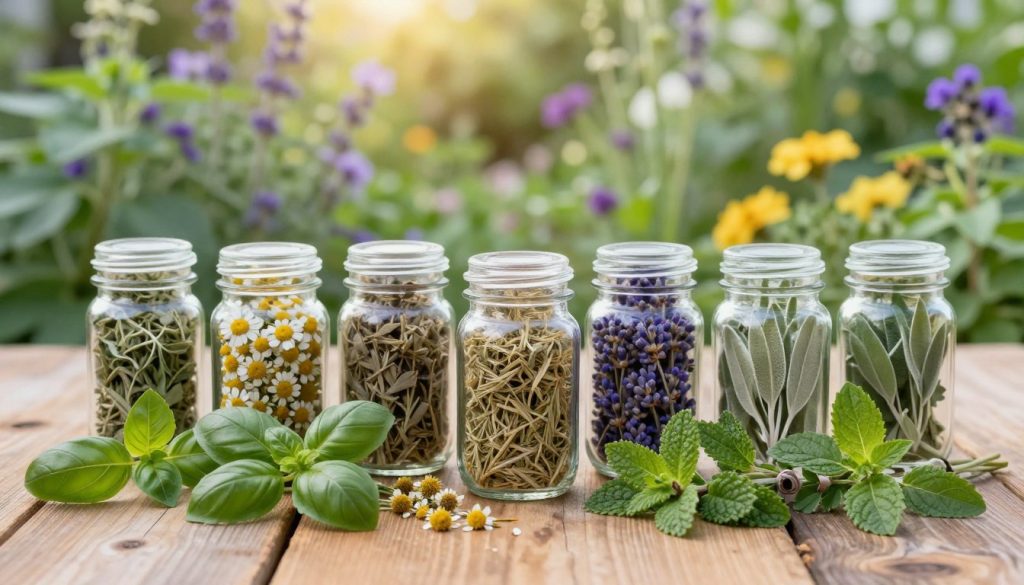
    A beautifully arranged layout of popular herbal remedies on a rustic wooden table. In the foreground, vibrant green leaves of basil, mint, and oregano are freshly picked and artfully displayed. In the middle, jars of dried herbs like chamomile, dried lavender, and sage are neatly lined up, showcasing their rich colors and textures. The background features a softly blurred herbal garden scene, with various plants in full bloom under warm, natural sunlight, creating an inviting and serene atmosphere. The image should capture the essence of wellness and natural healing, emphasizing freshness with soft lighting and a shallow depth of field for an artistic touch. The overall mood is calm and rejuvenating, perfect for illustrating the benefits of medicinal herbs.

    How Herbs Differ from Pharmaceutical Medicines

    Unlike pharmaceutical medicines, which are often synthesized in a lab, medicinal herbs are derived from nature. This natural origin means that herbs typically have a more holistic effect on the body, working in harmony with its natural processes. The table below highlights some key differences:

    Characteristics Medicinal Herbs Pharmaceutical Medicines
    Origin Natural, derived from plants Synthesized in a lab
    Effect on Body Holistic, works with natural processes Targeted, often specific to a condition
    Side Effects Generally fewer side effects Can have significant side effects

    By understanding the unique properties and benefits of medicinal herbs, individuals can make informed choices about their health and wellness, leveraging the power of natural healing plants to enhance their quality of life.

    Essential Medicinal Herbs for Your Home Apothecary

    A well-stocked home apothecary is a valuable resource for natural health and wellness. By incorporating the right medicinal herbs, you can create a comprehensive natural health toolkit.

    Echinacea: Immune System Support

    Echinacea is renowned for its ability to support the immune system. It is often used to prevent illness and promote overall health. Studies have shown that Echinacea can help reduce the severity and duration of colds and flu.

    Chamomile: Relaxation and Digestive Health

    Chamomile is a versatile herb that promotes relaxation and soothes digestive issues. It is commonly consumed as a tea to calm nerves and aid in sleep.

    Ginger: Digestive Aid and Anti-inflammatory

    Ginger is a powerful anti-inflammatory herb that aids in digestion and relieves nausea. It can be consumed fresh, dried, or in supplement form.

    Turmeric: Anti-inflammatory and Antioxidant

    Turmeric contains curcumin, a compound with potent anti-inflammatory and antioxidant properties. It is effective in managing chronic pain and inflammation.

    Lavender: Stress Relief and Sleep Aid

    Lavender is known for its calming effects and is often used in aromatherapy to relieve stress and promote better sleep. It can be used in essential oil form or as a dried herb.

    Peppermint: Digestive Support and Pain Relief

    Peppermint is a refreshing herb that supports digestive health and relieves headaches and muscle pain. It is commonly used in tea and topical applications.

    These medicinal herbs are essential additions to any home apothecary, offering a range of health benefits from immune support to stress relief. By understanding their uses, you can harness their potential to enhance your natural health routine.

    • Echinacea for immune system support
    • Chamomile for relaxation and digestive health
    • Ginger for digestive aid and anti-inflammatory benefits
    • Turmeric for its anti-inflammatory and antioxidant properties
    • Lavender for stress relief and sleep aid
    • Peppermint for digestive support and pain relief

    Incorporating these herbs into your daily routine can significantly improve your overall well-being. Whether through teas, tinctures, or topical applications, these herbal supplements offer a natural approach to health and wellness.

    How to Identify and Source Quality Medicinal Herbs

    Identifying and sourcing the right medicinal herbs is essential for those looking to harness their natural benefits. The process involves understanding the differences between various sourcing methods and knowing what to look for in quality herbs.

    Wild Harvesting vs. Store-Bought Options

    Wild harvesting involves collecting herbs from their natural habitats, which can be a cost-effective way to obtain them. However, it requires knowledge to identify the correct plants and ensure they are free from contaminants. Store-bought options, on the other hand, offer convenience and often come with quality guarantees.

    Organic vs. Conventional Herbs

    Organic herbs are grown without synthetic pesticides or fertilizers, making them a preferable choice for those seeking to avoid chemicals. Conventional herbs may be more affordable but could contain residues from chemical treatments.

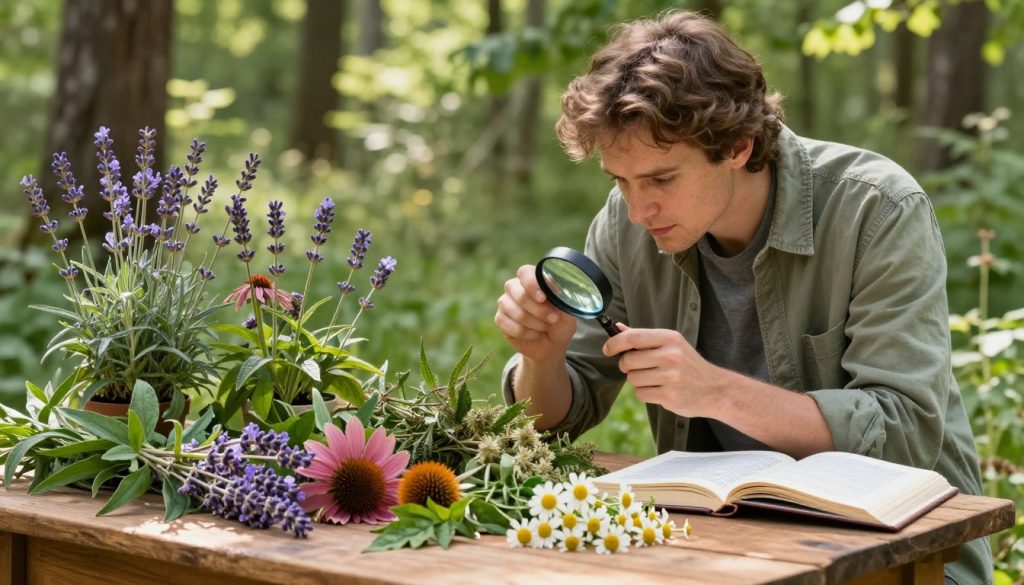
    In a lush, sunlit forest clearing, a botanist in a modest casual outfit is carefully examining a variety of medicinal herbs, such as lavender, echinacea, and chamomile, placed on a wooden table. In the foreground, there are vibrant green leaves and delicate flowers, showcasing their rich textures and colors. The middle ground features the botanist using a magnifying glass to inspect a herb, with a field guide open beside them, adding to the sense of exploration. The background reveals soft, dappled sunlight filtering through the trees, casting gentle shadows and enhancing the natural beauty of the scene. The overall mood is serene and focused, emphasizing the importance of sourcing high-quality medicinal herbs. The image is captured with a shallow depth of field to draw attention to the botanist and the herbs.

    Reliable Sources for Purchasing Medicinal Herbs

    Finding reliable sources is crucial for ensuring the quality of medicinal herbs. Two primary sources are local herb shops and reputable online retailers.

    Local Herb Shops and Farmers Markets

    Local herb shops and farmers markets can provide high-quality, fresh herbs. They also offer the opportunity to inspect the products and ask questions about their sourcing and processing.

    Reputable Online Retailers

    Reputable online retailers can be a convenient source for medicinal herbs. Look for retailers that provide detailed product information, including sourcing and testing data.

    Source Advantages Disadvantages
    Wild Harvesting Cost-effective, potentially higher potency Risk of misidentification, exposure to contaminants
    Store-Bought (Organic) Quality guaranteed, free from synthetic chemicals Higher cost, potential for variability in quality
    Store-Bought (Conventional) Generally more affordable Potential for chemical residues, variable quality

    Growing Your Own Medicinal Herb Garden

    With a little planning and care, you can cultivate a thriving medicinal herb garden that meets your health needs. Growing your own medicinal herbs allows you to have fresh, potent herbs at your fingertips, ensuring you reap the most common medicinal herbs explained benefits.

    Easiest Herbs for Beginners to Grow

    For those new to gardening, herbs like chamomile, lavender, and peppermint are excellent choices. They are hardy, easy to care for, and offer numerous medicinal herb benefits.

    Essential Growing Conditions

    Most medicinal herbs require well-drained soil and plenty of sunlight. Understanding the specific growing conditions for each herb will help you create an optimal environment.

    Harvesting and Preserving Your Herbs

    Harvest your herbs at the right time to maximize their potency. Techniques like drying, freezing, or making infusions can help preserve your herbs for future use, ensuring you can enjoy their benefits year-round.

    By following these simple steps, you can enjoy a bountiful harvest from your medicinal herb garden, reaping the rewards of your labor and care.

    Preparation Methods for Maximum Effectiveness

    Maximizing the benefits of medicinal herbs starts with understanding how to prepare them properly. The preparation method can significantly impact the efficacy of the herbal remedy. By choosing the right preparation technique, you can ensure that your herbal remedies provide the desired health benefits.

    Making Herbal Teas and Infusions

    One of the simplest and most popular ways to prepare medicinal herbs is by making teas or infusions. This method involves steeping the herbs in hot water to release their active compounds. Herbal teas are particularly effective for digestive issues and relaxation.

    To make an herbal tea, use one teaspoon of dried herbs (or two teaspoons of fresh herbs) per cup of boiling water. Steep for 5-10 minutes, depending on the herb and desired strength. Strain and enjoy. Popular herbs for teas include peppermint, chamomile, and ginger.

    A serene herbal workshop scene, showcasing a variety of medicinal herbs like lavender, peppermint, and chamomile prominently in the foreground, meticulously arranged on a rustic wooden table. In the middle ground, a skilled herbalist in a modest, professional outfit carefully prepares these herbs using traditional methods like crushing leaves and boiling infusions, illuminated by soft, warm natural light streaming through a nearby window. The background features shelves filled with glass jars containing herbs and tinctures, all bathed in a harmonious, tranquil atmosphere that evokes healing and wellness. The overall mood is calming and inviting, highlighting the art and science of herbal preparation for maximum effectiveness. The lens angle captures both the intricacies of the herbs and the herbalist's focused expression, creating an informative yet peaceful setting.

    Creating Tinctures and Extracts

    Tinctures and extracts are concentrated forms of herbal remedies that offer a potent dose of the herb’s active ingredients. They are made by soaking the herbs in a solvent, such as alcohol or glycerin, which extracts the medicinal properties.

    The benefits of tinctures include their long shelf life and ease of use. They can be taken sublingually (under the tongue) or added to water or tea. Popular herbal remedies like echinacea and turmeric are often made into tinctures.

    Topical Applications: Salves and Poultices

    Topical applications, such as salves and poultices, provide a direct way to apply herbal remedies to the skin. Salves are semi-solid preparations that are rubbed onto the skin, while poultices are moist applications that are applied directly to the affected area.

    These methods are effective for localized pain, inflammation, and skin issues. Herbs like lavender and arnica are commonly used in salves and poultices for their therapeutic properties.

    Herbal Capsules and Powders

    For those who prefer a more convenient option, herbal capsules and powders offer an easy way to incorporate medicinal herbs into your daily routine. Capsules contain a precise dose of the herb, while powders can be mixed into food or drinks.

    Herbal capsules and powders are particularly useful for herbs that have a strong taste or odor, making them easier to consume. They provide a straightforward way to benefit from herbal remedy benefits without the need for preparation.

    Embracing the Power of Medicinal Herbs

    As we’ve explored throughout this herbal medicine guide, medicinal herbs offer a wealth of benefits for overall health and wellness. From immune system support to stress relief, these natural remedies have been used for centuries to promote healthy living.

    By incorporating herbal supplements into your daily routine, you can take a proactive approach to maintaining your health. Whether you’re looking to soothe a digestive issue or simply promote relaxation, there’s a medicinal herb that can help.

    As you continue on your journey to discover the world of medicinal herbs, remember to source high-quality herbs and follow proper preparation methods to maximize their effectiveness. With the knowledge and insights gained from this guide, you’re well on your way to harnessing the power of nature’s medicine.

    FAQ

    What are the most common medicinal herbs used for?

    Medicinal herbs like Echinacea, Chamomile, and Ginger are commonly used for immune system support, relaxation, and digestive health. These herbs have been used for centuries to promote overall well-being and can be found in various forms, including teas, tinctures, and capsules.

    Are herbal remedies safe to use?

    Generally, herbal remedies are considered safe when used properly. However, it’s essential to consult with a healthcare professional before using any new herbal remedy, especially if you’re pregnant, breastfeeding, or taking medications. Some herbs can interact with certain medications or exacerbate underlying health conditions.

    How do I choose high-quality medicinal herbs?

    To choose high-quality medicinal herbs, look for products that are labeled as organic, non-GMO, and sourced from reputable suppliers. Check the product label for the herb’s botanical name, the country of origin, and any third-party certifications, such as NSF International or the National Science Foundation.

    Can I grow my own medicinal herbs?

    Yes, many medicinal herbs are easy to grow at home, such as Chamomile, Lavender, and Peppermint. Growing your own herbs allows you to control the quality and ensure they’re free of pesticides and other contaminants. Make sure to research the specific growing conditions and care requirements for each herb.

    How do I prepare medicinal herbs for use?

    Medicinal herbs can be prepared in various ways, including making teas, tinctures, salves, and capsules. The preparation method will depend on the herb and the desired outcome. For example, a warm tea can be soothing for digestive issues, while a topical salve can be used to relieve pain and inflammation.

    Are herbal supplements regulated?

    Herbal supplements are regulated by the FDA as dietary supplements. While they’re not subject to the same rigorous testing as pharmaceuticals, manufacturers must comply with Good Manufacturing Practices (GMPs) and label their products accurately.

    Can I use medicinal herbs in conjunction with conventional medicine?

    It’s crucial to consult with a healthcare professional before using medicinal herbs in conjunction with conventional medicine. Some herbs can interact with certain medications or exacerbate underlying health conditions. A healthcare professional can help you navigate potential interactions and ensure safe use.