Tag: Digestive Health

  • Simple Tips for Better Digestion

    Simple Tips for Better Digestion

    Are you tired of feeling bloated and uncomfortable after meals? Do you struggle with irregular bowel movements or stomach pain? Good digestion is crucial for overall health, and improving it can be simpler than you think.

    Maintaining digestive health is essential for absorbing nutrients, supporting the immune system, and even influencing mood and energy levels. By implementing a few straightforward changes to your daily routine, you can significantly improve digestion and enhance your overall well-being.

    Key Takeaways

    • Understand the importance of digestive health
    • Learn simple dietary changes to improve digestion
    • Discover lifestyle adjustments for better digestive health
    • Explore natural remedies to support digestion
    • Identify common digestive issues and how to address them

    Understanding Your Digestive System

    The digestive system plays a vital role in our overall health, and knowing how it works can help us identify potential issues. It is responsible for breaking down food into nutrients that the body can absorb, which is crucial for energy, growth, and repair.

    How Your Digestive Process Works

    The digestive process begins in the mouth, where food is chewed and mixed with saliva that contains enzymes to break down carbohydrates. Once swallowed, food passes through the esophagus into the stomach, where it is further broken down by stomach acid and digestive enzymes. The partially digested food then moves into the small intestine, where most of our nutrient absorption takes place. The remaining waste products move into the large intestine, where water is absorbed, and the waste is prepared for elimination.

    Signs of Poor Digestion

    Poor digestion can manifest in various ways. Understanding these signs is crucial for maintaining good digestive health.

    Physical Symptoms

    Common physical symptoms include bloating, gas, abdominal pain, diarrhea, and constipation. These symptoms can be uncomfortable and disrupt daily life.

    Impact on Overall Health

    Poor digestion can have a broader impact on overall health, potentially leading to nutrient deficiencies, fatigue, and even affecting mental health. Maintaining good gut health is essential for overall well-being.

    Recognizing the signs of poor digestion is the first step towards addressing digestive issues. By understanding how our digestive system works and being aware of the signs of poor digestion, we can take proactive steps to maintain good digestive health.

    Simple Tips for Better Digestion: Daily Eating Habits

    Developing healthy daily eating habits is crucial for improving digestion and overall well-being. By making a few simple changes to your eating habits, you can significantly enhance your digestive health.

    Mindful Eating Practices

    Mindful eating is the practice of paying attention to your food and the experience of eating. This includes savoring your food, eating slowly, and being aware of your hunger and fullness cues.

    Chewing Thoroughly

    Chewing your food thoroughly is a fundamental aspect of mindful eating. It helps break down food into smaller particles, making it easier for your digestive system to process. As the saying goes, “Chew your food well, and you’ll never need medicine.”

    Eating Without Distractions

    Eating without distractions, such as turning off the TV or putting away your phone, allows you to focus on your food and the act of eating. This can help you enjoy your meals more and reduce symptoms of indigestion.

    Meal Timing and Portion Control

    Establishing a regular eating schedule and controlling portion sizes can also improve digestion. Eating smaller, more balanced meals throughout the day can help regulate your digestive system.

    Tips for Better Meal Timing:

    • Eat at consistent times each day.
    • Avoid skipping meals.
    • Space out your meals to maintain energy levels.

    Proper Hydration Techniques

    Adequate hydration is essential for digestive health. Drinking enough water helps dissolve nutrients and soluble fiber, making them more accessible to your body.

    “Drink water throughout the day, rather than consuming it all at once, to stay hydrated and support your digestive system.”

    A vibrant kitchen scene showcasing healthy eating habits for better digestion. In the foreground, a diverse array of colorful fruits and vegetables, including avocados, leafy greens, and berries, are artistically arranged on a wooden cutting board. A person, dressed in modest casual clothing, is preparing a fresh salad, their hands skillfully chopping herbs. In the middle, a beautifully set dining table displays bowls of wholesome foods, such as quinoa and roasted veggies, complemented by glasses of infused water. The background features bright, natural light streaming through a window, enhancing the fresh and inviting atmosphere. Use a soft-focus lens to create a warm, inviting mood, suggesting a nurturing environment for healthy eating.

    By incorporating these simple tips into your daily routine, you can improve your digestion and overall health. Remember, it’s about making small, sustainable changes that add up over time.

    Digestion-Boosting Foods to Include in Your Diet

    Incorporating digestion-boosting foods into your daily meals can significantly improve your overall gut health. A well-functioning digestive system is crucial for overall well-being, and the right foods can make all the difference.

    Fiber-Rich Foods and Their Benefits

    Fiber-rich foods are essential for a healthy digestive system. They help promote regular bowel movements and prevent constipation. Foods high in fiber include:

    • Whole grains like brown rice, quinoa, and whole-wheat bread
    • Fruits such as apples, bananas, and berries
    • Vegetables like broccoli, carrots, and leafy greens
    • Legumes including beans, lentils, and peas

    These foods not only support digestion but also contribute to overall health by providing essential nutrients.

    Probiotic and Fermented Foods

    Probiotics are beneficial bacteria that support gut health. Fermented foods are rich in probiotics and can enhance digestion. Examples include:

    Yogurt and Kefir

    Yogurt and kefir are excellent sources of probiotics. They contain live cultures that can help maintain a healthy gut microbiome.

    Fermented Vegetables

    Fermented vegetables like sauerkraut and kimchi are not only rich in probiotics but also in vitamins and minerals. They can add flavor and nutrition to your meals.

    Digestive Enzymes in Natural Foods

    Certain foods naturally contain digestive enzymes that can aid in digestion. Examples include:

    • Papaya, which contains papain, an enzyme that helps digest proteins
    • Pineapple, rich in bromelain, which aids in protein digestion
    • Ginger, known for its digestive properties and anti-inflammatory benefits

    Incorporating these foods into your diet can help support your digestive health and overall well-being.

    Foods and Habits That Disrupt Digestion

    Digestive issues can often be traced back to specific foods and habits that disrupt the digestive process. Being aware of these potential disruptors is key to maintaining a healthy digestive system.

    Common Food Triggers to Avoid

    Some foods are more likely to cause digestive issues than others. These include:

    • Processed foods that are high in preservatives and low in fiber
    • High-fat foods that can slow down digestion
    • Spicy foods that can irritate the digestive tract

    Processed Foods

    Processed foods often contain additives and preservatives that can be hard for the body to digest. Reducing the intake of processed foods can help minimize digestive discomfort.

    High-Fat and Spicy Foods

    High-fat foods can slow down digestion, leading to bloating and discomfort. Similarly, spicy foods can irritate the digestive tract, causing heartburn and pain.

    Eating Behaviors That Cause Digestive Distress

    Eating too quickly, not chewing food properly, and eating large meals can all contribute to digestive distress. Practicing mindful eating can help alleviate these issues.

    How Stress Affects Your Digestive System

    Stress has a significant impact on the digestive system. It can cause stomach upset, alter bowel habits, and exacerbate existing digestive conditions. Managing stress through relaxation techniques can help mitigate its effects on digestion.

    A visually engaging still life featuring a variety of foods that disrupt digestion, arranged artfully on a rustic wooden table. In the foreground, include items such as spicy foods like chili peppers, greasy fast food items like burgers and fries, sugary snacks like donuts and candies, and dairy products like cheese, all presented in vibrant colors. In the middle ground, add a small glass of soda fizzing with bubbles. The background should be softly blurred, with a warm, inviting kitchen setting illuminated by soft, natural light coming from a nearby window. The overall mood is cautionary yet informative, inviting viewers to consider their food choices for better digestion.

    Lifestyle Changes for Long-Term Digestive Health

    Achieving long-term digestive health requires a holistic approach that incorporates various lifestyle changes. By focusing on daily habits and broader lifestyle adjustments, individuals can significantly improve their digestive well-being.

    Incorporating Movement After Meals

    Regular physical activity, especially after meals, can enhance digestion by stimulating the digestive tract. A short walk after dinner, for instance, can help prevent indigestion and promote the movement of food through the digestive system.

    Sleep Quality and Digestion Connection

    Sleep plays a vital role in digestive health. Poor sleep quality can disrupt the balance of gut bacteria and impair digestive function. Ensuring 7-8 hours of quality sleep per night can help maintain a healthy digestive system.

    Stress Management Techniques

    Stress can have a profound impact on digestion. Implementing stress management techniques is crucial for maintaining digestive health.

    Breathing Exercises

    Deep breathing exercises can help reduce stress and promote relaxation, which in turn can aid digestion. Techniques such as diaphragmatic breathing are particularly effective.

    Mindfulness Practices

    Mindfulness practices, including meditation and yoga, can also help manage stress. These practices encourage a state of relaxation and reduce the negative impact of stress on the digestive system.

    By incorporating these lifestyle changes, individuals can promote long-term digestive health. Key strategies include regular movement, quality sleep, and effective stress management.

    • Engage in physical activity after meals
    • Prioritize quality sleep
    • Practice stress-reducing techniques like deep breathing and mindfulness

    Maintaining a Healthy Digestive System

    By incorporating the simple tips for better digestion discussed in this article, you can significantly improve your overall digestive health. From understanding your digestive system to making informed food choices and adopting healthy lifestyle habits, every step counts towards achieving a balanced digestive process.

    A digestive health summary highlights the importance of mindful eating, proper hydration, and stress management. By being more aware of your eating habits and the foods you consume, you can prevent common digestive issues and maintain a healthy gut.

    Implementing these simple tips can lead to improved digestion, increased energy levels, and a stronger immune system. Start your journey to better digestive health today by making small changes to your daily routine and enjoying the benefits of a well-functioning digestive system.

    FAQ

    What are some simple tips for better digestion?

    Some simple tips for better digestion include practicing mindful eating, chewing thoroughly, eating without distractions, maintaining proper meal timing and portion control, and staying hydrated.

    How does stress affect my digestive system?

    Stress can negatively impact your digestive system, leading to digestive distress. Stress management techniques such as breathing exercises and mindfulness practices can help alleviate this issue.

    What foods can boost my digestive health?

    Foods that can boost digestive health include fiber-rich foods, probiotic and fermented foods like yogurt, kefir, and fermented vegetables, as well as natural foods containing digestive enzymes.

    Are there any specific foods I should avoid for better digestion?

    Yes, it’s best to avoid common food triggers such as processed foods, high-fat, and spicy foods, as they can disrupt digestion.

    How can I incorporate movement to improve my digestion?

    Incorporating movement after meals can help improve digestion. Regular physical activity can also contribute to overall digestive health.

    What is the connection between sleep quality and digestion?

    There is a connection between sleep quality and digestion. Poor sleep quality can negatively impact digestive health, while good sleep quality can support it.

    How can I manage stress to improve my digestive health?

    Stress management techniques such as breathing exercises, mindfulness practices, and other relaxation methods can help alleviate stress and improve digestive health.

    What is mindful eating and how can it improve digestion?

    Mindful eating involves eating without distractions, savoring your food, and chewing thoroughly. This practice can help improve digestion by reducing stress and improving the digestive process.

    How does hydration impact digestion?

    Proper hydration is essential for digestion. Staying hydrated helps prevent constipation and supports the overall digestive process.
  • Simple Tips for Better Digestion

    Simple Tips for Better Digestion

    Are you tired of feeling bloated and uncomfortable after meals? Do you struggle with irregular bowel movements or stomach pain? If so, you’re not alone. Millions of people worldwide experience digestive issues, which can significantly impact their quality of life.

    Good digestion is crucial for overall health, as it enables your body to absorb essential nutrients, vitamins, and minerals. By making a few simple changes to your daily routine, you can improve your digestive health and feel great.

    Key Takeaways

    • Understand the importance of good digestion for overall health
    • Learn simple ways to improve digestion and reduce discomfort
    • Discover healthy habits to support digestive well-being
    • Find out how to maintain a balanced digestive system
    • Explore the benefits of a healthy digestive system

    Understanding Your Digestive System

    Understanding how your digestive system works is key to maintaining good digestive health. The digestive system is a complex process that involves the breakdown and absorption of nutrients from the food we eat.

    How the Digestive Process Works

    The digestive process begins in the mouth, where food is chewed and mixed with saliva that contains enzymes to break down carbohydrates. Once swallowed, food passes through the esophagus into the stomach, where it is further broken down by stomach acids and enzymes. The partially digested food then moves into the small intestine, where most of our nutrient absorption takes place. The remaining waste products move into the large intestine, where water is absorbed, and the waste is prepared for elimination.

    Signs of Poor Digestion

    Poor digestion can manifest in various ways, including bloating, gas, abdominal pain, and changes in bowel movements. These symptoms can be uncomfortable and disrupt daily life.

    Why Good Digestion Matters for Overall Health

    Good digestion is essential for overall health because it directly affects the body’s ability to absorb nutrients. Proper nutrient absorption supports energy production, immune function, and overall wellbeing.

    Digestive Issue Potential Cause Impact on Health
    Bloating and Gas Poorly digested food, food intolerance Discomfort, potential nutrient deficiencies
    Abdominal Pain Irritable Bowel Syndrome (IBS), food sensitivity Reduced quality of life, potential for malabsorption
    Changes in Bowel Movements Diet, stress, underlying health conditions Discomfort, potential for dehydration and electrolyte imbalance

    Maintaining a healthy digestive system is crucial for preventing these issues and ensuring overall health.

    Simple Tips for Better Digestion

    Simple adjustments to your eating habits can lead to substantial improvements in your digestive health. By incorporating a few straightforward tips into your daily routine, you can significantly enhance your overall well-being.

    Chew Your Food Thoroughly

    One of the simplest digestion tips is to chew your food thoroughly. Proper chewing breaks down food into smaller particles, making it easier for your digestive system to process.

    The Ideal Chewing Process

    Aim to chew each bite at least 20-30 times. This not only aids digestion but also allows you to fully appreciate the flavors of your meal.

    Eat at Regular Times

    Establishing a regular eating schedule helps regulate your digestive system. Eating at consistent times each day can improve your body’s ability to digest food efficiently.

    Avoid Overeating

    Overeating puts unnecessary strain on your digestive system. Practicing portion control is essential for maintaining healthy digestion.

    Portion Control Strategies

    Using smaller plates and being mindful of serving sizes can help you avoid overeating. It’s also beneficial to eat slowly and stop when you feel satisfied, rather than waiting until you feel full.

    A serene kitchen setting with a bright, sunlit atmosphere. In the foreground, a wooden table features an array of fresh, colorful fruits and vegetables, including avocados, leafy greens, and citrus fruits, arranged in an appetizing display. A glass of clear water infused with lemon slices stands prominently. In the middle, a nutritionist, dressed in smart casual attire, demonstrates portion control by measuring grains using a small bowl, emphasizing balance in meals. The background showcases an herb garden, with plants like mint and ginger visible in pots, symbolizing natural digestion aids. The overall mood is uplifting and educational, with soft natural lighting enhancing the freshness of the scene. The camera angle is slightly elevated, capturing both the foreground and middle elements harmoniously.

    Foods That Promote Healthy Digestion

    Healthy digestion starts with making informed choices about what we eat. A diet rich in certain foods can significantly enhance our digestive health.

    Fiber-Rich Foods

    Fiber plays a crucial role in digestion. It helps move food through the digestive system and prevents constipation.

    Soluble vs. Insoluble Fiber

    There are two types of fiber: soluble and insoluble. Soluble fiber, found in foods like oats and apples, dissolves in water and helps lower cholesterol. Insoluble fiber, found in whole grains and vegetables, adds bulk to stool and aids in its passage.

    Probiotic-Rich Foods

    Probiotics are beneficial bacteria that support gut health. Foods like yogurt, kefir, and sauerkraut are rich in probiotics. As one study noted, “Probiotics can help maintain the gut microbiota balance, supporting overall digestive health.”

    Foods to Limit or Avoid

    Some foods can irritate the digestive system. It’s essential to be aware of these to maintain healthy digestion.

    Common Digestive Irritants

    Common irritants include spicy foods, high-fat foods, and caffeine. Limiting or avoiding these can help reduce digestive discomfort.

    By incorporating fiber-rich and probiotic-rich foods into your diet and limiting irritants, you can promote healthy digestion.

    The Importance of Proper Hydration

    Proper hydration plays a significant role in ensuring our digestive health functions optimally. Water is crucial for digestion as it helps dissolve nutrients and soluble fiber, making them more accessible to the body.

    How Water Aids Digestion

    Water aids in the breakdown of food in the stomach and helps prevent constipation by softening stool and promoting regular bowel movements. Adequate hydration also helps in the absorption of nutrients in the intestines.

    A refreshing glass of water filled to the brim sits in the foreground on a rustic wooden table. The glass captures the light, creating glimmering reflections and droplets of condensation on its surface. In the middle ground, a variety of hydrating fruits—such as lemon, cucumber, and mint—surround the glass, emphasizing natural ways to enhance hydration. Behind, a softly blurred kitchen setting bathed in warm, natural light evokes a serene and healthy atmosphere. A potted plant adds a touch of green, symbolizing vitality. The overall mood is fresh, clean, and inviting, encouraging the viewer to prioritize proper hydration for better digestion. The composition should be shot at eye level with a shallow depth of field, focusing on the glass and fruits while gently blurring the background.

    Best Drinks for Digestive Health

    Besides water, other beneficial drinks for digestive health include herbal teas like peppermint and chamomile, which can soothe the digestive tract. Limiting caffeinated and carbonated beverages is also advisable as they can cause discomfort.

    Timing Your Fluid Intake

    It’s recommended to drink water throughout the day, with a significant portion consumed between meals to avoid diluting digestive enzymes. Hydration tips include drinking a glass of water upon waking up and before meals.

    Mindful Eating Practices

    Eating mindfully can transform your relationship with food and improve your digestive system. By being more aware of your eating habits, you can reduce stress and enhance your overall dining experience.

    Creating a Calm Eating Environment

    A calm environment is crucial for mindful eating. Turn off the TV and put away your phone to minimize distractions. Eating at a clutter-free table can also help you focus on your meal.

    Practicing Mindfulness During Meals

    Mindfulness during meals involves savoring each bite and paying attention to the flavors and textures. Take small bites and chew slowly to fully experience your food.

    As Dr. Jon Kabat-Zinn once said, “You can’t stop the waves, but you can learn to surf.”

    “The practice of mindfulness can help us develop a greater awareness of our body’s signals, including those related to hunger and fullness.”

    The Connection Between Stress and Digestion

    Stress can significantly impact digestion. High stress levels can lead to digestive issues such as bloating and cramps. Practicing mindfulness can help reduce stress and promote better digestion.

    Tips for Mindful Eating Benefits
    Eat slowly Improved digestion
    Minimize distractions Reduced stress
    Savor your food Enhanced enjoyment

    Natural Remedies for Digestive Discomfort

    Digestive discomfort can significantly impact daily life, but there are natural solutions available. For individuals experiencing persistent digestive issues, exploring natural remedies can be a crucial step towards relief.

    Herbal Teas for Digestion

    Herbal teas have been used for centuries to aid digestion. Peppermint tea and chamomile tea are particularly effective in soothing the digestive tract and reducing discomfort. These teas can be consumed after meals to help with digestion.

    A cozy, serene kitchen setting featuring an array of herbal teas known for aiding digestion. In the foreground, a wooden table adorned with a beautifully arranged selection of tea leaves, dried herbs like chamomile, peppermint, and ginger, and a steaming teapot. A delicate cup of tea sits invitingly to the side, surrounded by fresh mint and lemon slices. The middle ground reveals a sunlit window showcasing gentle greenery outside, enhancing the tranquil atmosphere. In the background, soft-focus shelves filled with glass jars of spices and herbs. Soft, warm lighting creates a calming mood, inviting relaxation and wellness. Use a gentle depth of field to focus on the tea and herbs, conveying warmth and natural remedy essence.

    Using Spices to Aid Digestion

    Certain spices are known for their digestive benefits. Ginger and turmeric are renowned for their anti-inflammatory properties.

    Ginger, Turmeric, and Other Helpful Spices

    Spices like ginger and turmeric can be easily incorporated into daily meals. They not only enhance flavor but also support digestive health. Other beneficial spices include cumin and fennel seeds, which can help reduce bloating and gas.

    Spice Digestive Benefit
    Ginger Reduces nausea and inflammation
    Turmeric Anti-inflammatory properties
    Cumin Aids in digestion and reduces gas

    When to Try Digestive Enzymes

    Digestive enzymes can be beneficial for individuals who have difficulty breaking down certain foods. These supplements can help alleviate symptoms like bloating and discomfort after eating. It’s essential to consult with a healthcare professional before starting any new supplement regimen.

    Exercise and Movement for Better Digestion

    Regular physical activity is known to enhance digestive health, and incorporating the right exercises into your routine can make a significant difference. Exercise stimulates the natural contractions of the muscles in the digestive tract, helping to move food through the system more efficiently.

    Best Types of Exercise for Digestive Health

    Certain types of exercise are particularly beneficial for digestive health. These include:

    • Aerobic exercises like walking, cycling, and swimming, which can help stimulate digestion.
    • Yoga, which combines physical movement with stress reduction techniques, benefiting overall digestive health.

    Simple Post-Meal Movements

    Engaging in simple movements after meals can aid digestion. For example, taking a short walk after eating can help stimulate the digestive process.

    Finding the Right Balance of Activity

    It’s essential to find a balance that works for you. While regular exercise is beneficial, intense physical activity immediately after meals may not be. Listen to your body and adjust your routine accordingly.

    Putting Simple Tips for Better Digestion into Practice

    By incorporating simple tips for better digestion into your daily routine, you can significantly improve your overall digestive health. From chewing your food thoroughly and eating at regular times to staying hydrated and practicing mindful eating, these habits can make a substantial difference.

    A digestive health summary highlights the importance of a balanced diet, including fiber-rich and probiotic-rich foods, and limiting foods that can cause discomfort. Regular exercise and natural remedies like herbal teas can also support digestive well-being.

    By adopting these simple yet effective strategies, you can enjoy the benefits of improved digestion, including increased energy and a reduced risk of digestive discomfort. Start implementing these tips today to take control of your digestive health and enhance your overall quality of life.

    FAQ

    What are some simple tips for better digestion?

    Some simple tips for better digestion include chewing your food thoroughly, eating at regular times, avoiding overeating, and incorporating fiber-rich and probiotic-rich foods into your diet.

    How does hydration impact digestion?

    Proper hydration is essential for digestive health, as water helps to break down food and absorb nutrients. Staying hydrated can also help prevent constipation.

    What are some natural remedies for digestive discomfort?

    Natural remedies for digestive discomfort include herbal teas, such as peppermint and chamomile, using spices like ginger and turmeric to aid digestion, and considering digestive enzymes.

    Can exercise improve digestion?

    Yes, regular exercise and movement can enhance digestive health by stimulating the muscles in the digestive tract and improving gut motility.

    What foods should I limit or avoid for better digestion?

    Foods that can irritate digestion and should be limited or avoided include high-fat foods, spicy foods, and foods high in sugar. Common digestive irritants can vary from person to person, so it’s essential to pay attention to how your body reacts to different foods.

    How can mindful eating practices impact digestion?

    Mindful eating practices, such as creating a calm eating environment and practicing mindfulness during meals, can help reduce stress and improve digestion.

    What is the connection between stress and digestion?

    Stress can negatively impact digestion by slowing down digestion, causing stomach upset, and exacerbating digestive issues like irritable bowel syndrome (IBS).

    How can I create a calm eating environment?

    Creating a calm eating environment involves turning off the TV, putting away electronic devices, and eating in a quiet, comfortable space.
  • Boost Your Digestion with These Healthy Foods

    Boost Your Digestion with These Healthy Foods

    Are you tired of feeling bloated and uncomfortable after meals? Digestive health plays a crucial role in our overall well-being, and the food we eat can either help or hinder this delicate balance.

    A healthy digestive system is essential for absorbing the nutrients our bodies need to function properly. By incorporating the right foods into your diet, you can promote healthy digestion and alleviate common issues like bloating and discomfort.

    This article will explore the importance of maintaining a healthy digestive system and highlight some of the most beneficial foods for supporting digestive health.

    Key Takeaways

    • Understanding the importance of digestive health
    • Learning how food affects digestion
    • Discovering key foods that support healthy digestion
    • Finding ways to alleviate common digestive issues
    • Improving overall well-being through dietary changes

    Understanding Digestive Health and Why It Matters

    The digestive system’s health is intricately linked with our overall quality of life. A healthy digestive system enables the body to absorb the necessary nutrients, vitamins, and minerals from the food we consume.

    How Your Digestive System Works

    The digestive process begins in the mouth and continues through the esophagus, stomach, small intestine, and large intestine. Each part plays a crucial role in breaking down food and absorbing nutrients.

    Signs of Poor Digestion

    Common signs of poor digestion include bloating, gas, abdominal pain, and changes in bowel movements. These symptoms can indicate an imbalance in gut health.

    The Connection Between Diet and Digestive Health

    Diet plays a significant role in maintaining digestive health. Consuming a balanced diet rich in fiber, fruits, and vegetables can support a healthy gut microbiome.

    Understanding the importance of digestive health and making informed dietary choices can significantly improve overall well-being.

    The Best Foods for Healthy Digestion

    The right diet can make all the difference in maintaining a healthy digestive system. Incorporating foods that are rich in nutrients and easy to digest can significantly improve your overall gut health.

    Fruits That Aid Digestion

    Fruits are not only delicious, but they also play a crucial role in supporting digestive health. Certain fruits are particularly beneficial due to their high content of digestive enzymes and fiber.

    Papaya, Pineapple, and Digestive Enzymes

    Papaya and pineapple are rich in digestive enzymes like papain and bromelain, respectively. These enzymes help break down proteins and aid in digestion. As Dr. Michael T. Murray, a renowned expert in natural medicine, notes, “Papaya is a rich source of papain, a proteolytic enzyme that helps digest protein.”

    “Papaya is a rich source of papain, a proteolytic enzyme that helps digest protein.”

    Dr. Michael T. Murray

    Apples, Pears, and Pectin Benefits

    Apples and pears are high in pectin, a type of soluble fiber that acts as a prebiotic, feeding the good bacteria in the gut. This helps maintain a healthy gut microbiome. A study published in the Journal of Agricultural and Food Chemistry found that pectin can help regulate bowel movements and improve gut health.

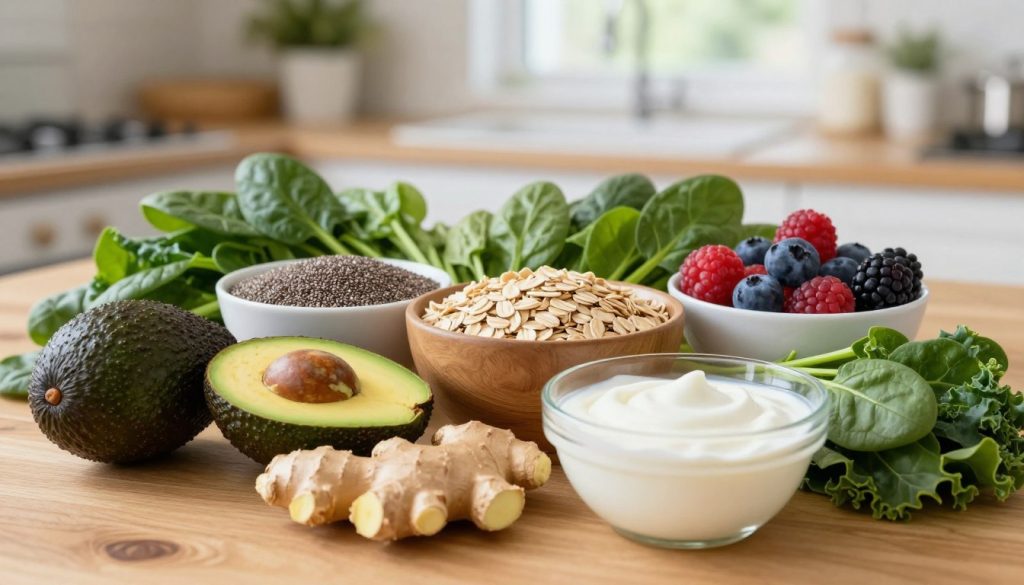
    A vibrant and visually appealing composition showcasing an assortment of healthy foods that promote digestion. In the foreground, a wooden table is adorned with a colorful spread of whole foods such as ripe avocados, fresh ginger, probiotic-rich yogurt, and a variety of leafy greens like spinach and kale. In the middle ground, several bowls filled with chia seeds, oatmeal, and mixed berries are artfully arranged. The background features a soft-focus kitchen setting with natural light streaming in from a window, creating a warm and inviting atmosphere. Use a shallow depth of field to emphasize the foods, capturing intricate details of textures. The mood is fresh and nourishing, reflecting a wholesome lifestyle focused on digestive health.

    Vegetables That Support Gut Health

    Vegetables are another crucial component of a digestive-friendly diet. They are rich in fiber, vitamins, and minerals that support gut health.

    Leafy Greens and Micronutrients

    Leafy greens like spinach and kale are packed with micronutrients and fiber, making them excellent for digestive health. They are also rich in antioxidants that help reduce inflammation in the digestive tract.

    Root Vegetables and Prebiotic Fibers

    Root vegetables such as carrots and sweet potatoes are high in prebiotic fibers that help feed the good bacteria in the gut, promoting a healthy gut microbiome.

    Healthy Proteins That Won’t Upset Your Stomach

    Choosing the right proteins is essential for maintaining healthy digestion. Opt for lean proteins like chicken, fish, and eggs, which are generally easy on the stomach.

    • Lean meats like chicken and turkey
    • Fish rich in omega-3 fatty acids, such as salmon
    • Eggs, which are a highly digestible protein source

    By incorporating these foods into your diet, you can significantly improve your digestive health and overall well-being.

    Fiber-Rich Foods to Improve Digestive Function

    Eating foods high in fiber is one of the simplest and most effective ways to support digestive health and prevent common gastrointestinal issues. Fiber helps regulate bowel movements, prevents constipation, and supports the growth of beneficial gut bacteria.

    Understanding Soluble vs. Insoluble Fiber

    Fiber comes in two forms: soluble and insoluble. Soluble fiber dissolves in water, forming a gel-like substance that helps slow down digestion and lower cholesterol levels. Sources include oats, barley, nuts, and fruits like apples and berries. Insoluble fiber, on the other hand, does not dissolve in water and helps add bulk to stool, promoting regular bowel movements. Whole grains, vegetables, and wheat bran are rich in insoluble fiber.

    Whole Grains and Their Digestive Benefits

    Whole grains are an excellent source of dietary fiber, containing both soluble and insoluble fiber. Foods like brown rice, quinoa, and whole-wheat bread provide essential nutrients and fiber, supporting healthy digestion and satiety.

    Legumes and Beans for Gut Health

    Legumes and beans are not only rich in protein but also high in fiber, making them an excellent addition to a digestive-friendly diet. Examples include lentils, chickpeas, black beans, and kidney beans. These foods support the growth of beneficial gut bacteria and promote regular bowel movements.

    How to Gradually Increase Fiber Intake

    To avoid digestive discomfort, it’s essential to gradually increase fiber intake. Start by adding a serving of fiber-rich foods to your meals and gradually increase the amount over a few weeks. Also, don’t forget to drink plenty of water to help fiber move through your digestive system.

    Probiotic Foods for a Balanced Gut Microbiome

    Maintaining a balanced gut microbiome is crucial for overall health, and probiotic foods play a significant role in achieving this balance. Probiotics are live microorganisms that confer health benefits when consumed, generally by improving or restoring the gut flora.

    The Science Behind Probiotics and Gut Bacteria

    The human gut is home to trillions of microorganisms, collectively known as the gut microbiome. Probiotics help maintain the balance of these microbes, supporting digestive health and immune function. Research has shown that an imbalance in gut bacteria, also known as dysbiosis, can lead to various health issues, including digestive disorders and compromised immune systems.

    Yogurt and Kefir: Dairy Probiotics

    Yogurt and kefir are rich sources of probiotics. Yogurt contains live cultures of beneficial bacteria like Lactobacillus and Bifidobacterium. Kefir, a fermented milk product, has a wider variety of probiotic strains and is easier to digest for those with dairy intolerance.

    A vibrant display of probiotic foods arranged artfully on a rustic wooden table. In the foreground, a colorful assortment of yogurt bowls topped with fresh fruits like strawberries and blueberries, jars of creamy kefir, and fermented sauerkraut in bright green and purple hues. The middle ground features a selection of kimchi and miso paste, artistically presented with herbs and spices scattered around. In the background, softly blurred shelves filled with jars of various pickled vegetables and spices, evoking a cozy kitchen ambiance. Natural golden sunlight streaming through a nearby window casts a warm glow, highlighting the textures and colors of the foods. The atmosphere is inviting and healthy, encouraging the viewer to embrace a balanced gut microbiome lifestyle.

    Fermented Foods to Add to Your Diet

    Fermented foods are another excellent source of probiotics. They not only enhance the flavor of dishes but also provide health benefits.

    Kimchi and Sauerkraut

    Kimchi and sauerkraut are fermented vegetable dishes rich in probiotics. They support gut health and are rich in vitamins and minerals.

    Kombucha and Other Fermented Drinks

    Kombucha, a fermented tea drink, contains a variety of probiotic bacteria and yeast. It’s a popular choice for those looking to incorporate probiotics into their diet through beverages.

    Incorporating these probiotic foods into your diet can significantly enhance your gut health, supporting overall well-being.

    Hydration and Beverages That Support Digestion

    Drinking enough water is essential for a well-functioning digestive system. Adequate hydration helps dissolve nutrients and soluble fiber, making them more accessible to the body.

    The Importance of Water for Digestive Health

    Water plays a crucial role in digestion by helping to break down food in the stomach and preventing constipation by softening stool. Aim to drink at least 8 cups (64 ounces) of water per day, adjusting according to individual needs and activity levels.

    Herbal Teas That Soothe Digestive Issues

    Herbal teas can provide additional digestive benefits. Ginger and peppermint teas are particularly effective.

    Ginger and Peppermint Teas

    Ginger tea can help alleviate nausea and reduce inflammation, while peppermint tea can ease symptoms of IBS by relaxing the muscles in the digestive tract.

    Chamomile and Fennel for Digestion

    Chamomile tea can soothe the digestive system and reduce inflammation, whereas fennel tea can help reduce gas and bloating.

    Drinks to Limit for Better Gut Health

    Drink Potential Impact on Digestion
    Caffeinated Beverages Can cause stomach upset and diarrhea
    Carbonated Drinks May lead to bloating and gas
    Alcoholic Beverages Can irritate the digestive tract and cause inflammation

    Creating a Digestive-Friendly Meal Plan

    To boost your digestive health, start with a simple and effective meal planning strategy. A well-structured meal plan can help you incorporate foods that support gut health while avoiding those that can cause discomfort.

    Simple Meal Planning Tips

    Begin by planning your meals around whole, unprocessed foods like vegetables, fruits, whole grains, and lean proteins. These foods are rich in fiber, vitamins, and minerals that support digestive health.

    • Start with a weekly meal plan to ensure you’re getting a balanced intake of nutrients.
    • Incorporate a variety of colors on your plate to ensure a range of vitamins and minerals.
    • Prepare meals in advance to save time and reduce stress.

    Quick and Easy Digestive Health Recipes

    Simple recipes can make a big difference in maintaining a digestive-friendly diet. Consider dishes like:

    • Oatmeal with banana and almond butter for a fiber-rich breakfast.
    • Grilled chicken with roasted vegetables for a balanced lunch.
    • Quinoa salad with mixed vegetables and a citrus vinaigrette for a nutritious dinner.

    A beautifully arranged, digestive-friendly meal plan displayed on a rustic wooden table. In the foreground, feature a vibrant assortment of whole grains like quinoa and brown rice, bright green leafy vegetables such as kale and spinach, and colorful fruits like blueberries and bananas. In the middle, showcase a large, appetizing bowl of a colorful salad with avocado and chickpeas, alongside a smooth, creamy yogurt parfait layered with granola and honey. In the background, gently blurred, include a serene kitchen setting with soft, natural light streaming through a window, creating a warm and inviting atmosphere. The overall mood should convey health, freshness, and vitality, making the meal plan visually appealing and inspirational for enhancing digestion.

    Mindful Eating Practices for Better Digestion

    Mindful eating can significantly improve digestion by reducing stress and promoting slower, more intentional eating.

    1. Eat slowly and savor your food.
    2. Avoid distractions like TV or smartphones during meals.
    3. Listen to your body’s hunger and fullness cues.

    Sample 3-Day Digestive Reset Plan

    Here’s a sample meal plan to help reset your digestive system:

    Day Breakfast Lunch Dinner
    1 Oatmeal with berries Grilled chicken salad Quinoa with steamed vegetables
    2 Yogurt with honey and almonds Whole grain wrap with avocado and turkey Baked salmon with roasted sweet potatoes
    3 Smoothie with banana and spinach Chicken and vegetable stir-fry Grilled chicken with brown rice and steamed broccoli

    By incorporating these tips and recipes into your meal plan, you can support your digestive health and overall well-being.

    Conclusion: Building Sustainable Habits for Long-Term Digestive Health

    Good digestive health is vital for overall well-being. Incorporating healthy foods and habits into your daily routine can significantly improve your digestive system, leading to long-term digestive health.

    Developing sustainable habits, such as eating a balanced diet rich in fiber and staying hydrated, supports a healthy gut microbiome. These practices can improve digestive health and overall quality of life.

    Start with small changes, introducing new habits gradually. Consistent effort can lead to significant benefits, enhancing overall well-being and supporting long-term digestive health through sustainable habits.

    Focusing on progress and celebrating small victories can help you maintain a healthy digestive system. This, in turn, contributes to a better quality of life and long-term digestive health.

    FAQ

    What are the best foods to eat for healthy digestion?

    Foods rich in fiber like whole grains, fruits, and vegetables, as well as probiotic-rich foods like yogurt and kefir, can help support healthy digestion.

    How does fiber help with digestion?

    Fiber helps to regulate bowel movements, prevent constipation, and support the growth of beneficial gut bacteria.

    What are some signs of poor digestion?

    Common signs of poor digestion include bloating, abdominal pain, diarrhea, constipation, and fatigue.

    How can I incorporate more probiotics into my diet?

    You can increase your probiotic intake by consuming fermented foods like kimchi, sauerkraut, and kombucha, as well as probiotic-rich dairy products like yogurt and kefir.

    What are some healthy beverages that support digestion?

    Herbal teas like ginger, peppermint, and chamomile can help soothe digestive issues, while water is essential for maintaining proper hydration and digestive health.

    How can I create a digestive-friendly meal plan?

    Start by incorporating fiber-rich foods, probiotics, and healthy proteins into your meals, and consider meal planning tips like eating smaller, more frequent meals and avoiding trigger foods.

    What are some common mistakes that can disrupt digestive health?

    Eating too quickly, not staying hydrated, and consuming high amounts of processed or high-sugar foods can all negatively impact digestive health.

    Can certain foods help alleviate digestive issues like IBS?

    Yes, foods rich in fiber, probiotics, and omega-3 fatty acids may help alleviate symptoms of irritable bowel syndrome (IBS), although it’s essential to consult with a healthcare professional for personalized advice.
  • Improve Gut Health Naturally: 7 Tips to Feel Your Best

    Improve Gut Health Naturally: 7 Tips to Feel Your Best

    Are you tired of feeling sluggish and bloated? Could your gut be the key to unlocking a healthier, happier you? Research shows that a balanced gut microbiome is crucial for overall well-being, from digestion to mental clarity.

    Maintaining a healthy gut is simpler than you think. By incorporating a few simple habits into your daily routine, you can start feeling your best. In this article, we’ll explore 7 natural tips to support your gut health and enhance your overall quality of life.

    Key Takeaways

    • Understand the importance of gut health for overall well-being
    • Discover 7 natural tips to support a healthy gut microbiome
    • Learn simple dietary changes to enhance digestion
    • Explore stress management techniques for a balanced gut
    • Find out how to incorporate probiotics into your daily routine

    Understanding Gut Health and Why It Matters

    Gut health is a vital aspect of our overall well-being, influencing everything from digestion to mental health. Understanding the intricacies of gut health is crucial for maintaining a healthy body and mind.

    The Gut Microbiome: Your Body’s Hidden Ecosystem

    The gut microbiome is a complex ecosystem consisting of trillions of microorganisms living in your digestive tract. This ecosystem plays a crucial role in digestion, immune function, and even mental health. A balanced gut microbiome is essential for:

    • Breaking down complex foods
    • Producing certain vitamins
    • Regulating the immune system
    • Producing hormones that influence mood and appetite

    Signs of Poor Gut Health You Shouldn’t Ignore

    Poor gut health can manifest in various ways, making it challenging to diagnose. However, there are several common signs to watch out for, including:

    1. Digestive Issues: Bloating, gas, constipation, or diarrhea
    2. Fatigue and Sleep Disturbances: Persistent tiredness and disrupted sleep patterns
    3. Mood Disorders: Anxiety, depression, or mood swings
    4. Skin Problems: Acne, eczema, or other skin conditions

    Recognizing these signs early can help you take proactive steps towards improving your gut health through natural remedies and holistic approaches.

    How to Improve Gut Health Naturally Through Diet

    Improving gut health naturally starts with the food on your plate. The right diet can significantly enhance your gut microbiome, leading to better overall health.

    Tip 1: Incorporate Fiber-Rich Foods Daily

    Fiber is essential for a healthy gut. It acts as a prebiotic, feeding the good bacteria in your gut, thereby promoting a balanced gut microbiome. Foods rich in fiber include fruits, vegetables, and whole grains.

    Some of the best fiber-rich foods are bananas, apples, carrots, and whole wheat bread. Incorporating these into your daily meals can be simple and delicious.

    A vibrant and inviting table spread showcasing a variety of gut-healing foods. In the foreground, a colorful selection of fermented foods like kimchi and sauerkraut is artfully arranged alongside fresh fruits like blueberries and avocados, all on a rustic wooden cutting board. The middle section features leafy greens such as kale and spinach, as well as bowls of yogurt topped with granola and nuts, adorned with honey drizzles. The background includes soft lighting that creates a warm and energetic atmosphere, with blurred kitchen elements adding a homely feel. Shot from a slight angle to emphasize depth, the image radiates a sense of health and vitality, inspiring viewers to focus on natural dietary choices for improved gut health.

    Tip 2: Add Fermented Foods to Your Meals

    Fermented foods are rich in probiotics, which are beneficial bacteria that can help restore the natural balance of your gut microbiome. Consuming fermented foods can enhance digestion and boost your immune system.

    Best Fermented Foods for Gut Health

    Some of the best fermented foods for gut health include yogurt, sauerkraut, kimchi, kefir, and kombucha. These foods not only support gut health but also add variety to your diet.

    Fermented Food Benefits
    Yogurt Rich in probiotics, supports digestive health
    Sauerkraut High in vitamins C and K, promotes gut health
    Kimchi Packed with probiotics, aids in digestion
    Kefir Contains a variety of probiotic strains, supports immune system
    Kombucha Rich in probiotics, can help improve gut health and energy

    By incorporating these gut healing foods into your diet, you’re taking a significant step towards improving digestion naturally. Remember, a healthy gut is the foundation of overall well-being.

    Hydration and Gut-Friendly Beverages

    A well-hydrated body is better equipped to digest food and absorb nutrients, thanks to the right beverages. Staying hydrated is essential for maintaining a healthy gut, as water helps dissolve nutrients and soluble fiber, making them more accessible to the body.

    Tip 3: Optimize Your Water Intake for Digestive Health

    Drinking enough water is crucial for digestive health. It helps prevent constipation by softening stool and promoting regular bowel movements. The general recommendation is to drink at least eight 8-ounce glasses of water a day, but individual needs may vary based on activity level, climate, and overall health.

    • Drink a glass of water as soon as you wake up to rehydrate after a night of sleep.
    • Keep a water bottle with you throughout the day as a reminder to drink regularly.
    • Infuse your water with slices of lemon, lime, or cucumber for added flavor and potential health benefits.

    Healing Teas and Drinks That Support Digestion

    In addition to water, certain teas and drinks can support gut health. These beverages can help soothe the digestive tract, reduce inflammation, and promote the growth of beneficial gut bacteria.

    Some beneficial options include:

    • Peppermint tea: Known for its ability to ease digestive discomfort and reduce symptoms of IBS.
    • Ginger tea: Helps alleviate nausea and can aid in digestion.
    • Chamomile tea: Soothes the digestive tract and can help with sleep.
    • Fermented drinks like kombucha: Contains probiotics that support gut health.
    • Warm broth: Can be soothing for the digestive system and is often recommended when fasting or when experiencing digestive issues.

    Incorporating these beverages into your daily routine can be a simple yet effective way to support your gut health as part of a gut-friendly lifestyle strategy. Remember, while beverages play a crucial role, they are just one aspect of maintaining a healthy gut; a balanced diet and healthy lifestyle habits are also essential.

    Lifestyle Changes for a Healthier Gut

    Improving gut health isn’t just about what you eat; it’s also about how you live. Adopting a holistic approach to gut health involves making several lifestyle changes that can significantly impact your digestive well-being and overall health.

    Manage Stress Through Mindfulness and Relaxation

    Stress can have a profound effect on gut health. When you’re stressed, your body’s fight or flight response is triggered, potentially disrupting the balance of your gut microbiome. Practicing mindfulness and relaxation techniques can help mitigate this effect. Techniques such as meditation, deep breathing exercises, or yoga can reduce stress levels, promoting a healthier gut.

    • Meditation: Regular meditation practice can help reduce stress and improve gut health.
    • Deep Breathing Exercises: Simple yet effective, these can be done anywhere to calm the mind and body.
    • Yoga: Combining physical movement with deep breathing, yoga is a powerful stress-reduction tool.

    Establish a Regular Sleep Schedule

    Sleep plays a crucial role in gut health. An irregular sleep schedule can disrupt the body’s natural rhythms, potentially leading to gut health issues. Establishing a consistent sleep schedule is vital for maintaining a healthy gut.

    The Gut-Sleep Connection Explained

    The relationship between sleep and gut health is bidirectional. On one hand, a healthy gut microbiome is essential for good sleep quality. On the other hand, adequate sleep is necessary for maintaining the balance of the gut microbiome. Poor sleep can lead to changes in the gut microbiota, potentially causing digestive issues.

    A serene indoor setting showcasing the connection between gut health and sleep. In the foreground, a peaceful person is lying on a comfortable bed, wrapped in soft blankets, wearing modest sleepwear, with a gentle smile suggesting restful sleep. In the middle ground, a bedside table holds a small bowl of colorful fruits and a gut health supplement bottle, surrounded by calming candles emitting soft light. In the background, a window reveals a tranquil night scene with stars twinkling in the clear sky, complemented by plants that evoke a sense of wellness. The lighting should be warm and inviting, creating an atmosphere of relaxation and health. The image should be shot from a slight angle, emphasizing both the sleeping person and their healthy environment.

    To improve your gut health through better sleep, consider the following tips:

    1. Stick to a sleep schedule, going to bed and waking up at the same time every day.
    2. Create a bedtime routine that signals your body that it’s time to sleep.
    3. Avoid caffeine and electronics before bedtime to improve sleep quality.

    By incorporating these lifestyle changes, you can take a significant step towards improving digestion naturally and enhancing your overall gut health.

    Supplements and Natural Remedies for Gut Support

    Supplements and natural remedies can play a crucial role in enhancing gut health beyond dietary adjustments. While a balanced diet is foundational, additional support can be beneficial for many individuals.

    Consider Probiotics and Prebiotics

    Probiotics are live bacteria and yeasts that are beneficial for your digestive system. They help maintain the gut microbiome balance, supporting overall gut health. Prebiotics, on the other hand, are non-digestible fibers that serve as food for probiotics, helping them thrive.

    Benefits of Probiotics:

    • Improve digestion and reduce symptoms of IBS
    • Boost the immune system
    • Produce vitamins

    Benefits of Prebiotics:

    • Support the growth of beneficial bacteria
    • Enhance calcium absorption
    • Improve gut motility
    Supplement Benefits Food Sources
    Probiotics Improves digestion, boosts immune system Yogurt, kefir, sauerkraut
    Prebiotics Supports beneficial bacteria, enhances calcium absorption Asparagus, bananas, onions

    Explore Digestive Enzymes and Herbal Remedies

    Digestive enzymes help break down food into smaller, absorbable nutrients. Herbal remedies, such as peppermint oil and ginger, can soothe the digestive tract and reduce symptoms like bloating and cramps.

    “The use of digestive enzymes can significantly improve nutrient absorption and reduce gastrointestinal discomfort.” –

    A gastroenterology expert

    Some popular herbal remedies include:

    • Peppermint oil: Relieves IBS symptoms
    • Ginger: Reduces nausea and inflammation
    • Turmeric: Anti-inflammatory properties

    When considering supplements and natural remedies, it’s essential to consult with a healthcare professional to determine the best course for your individual needs.

    Conclusion: Your Path to Better Gut Health Starts Today

    Improving your gut health is a journey that can be achieved through a combination of simple yet effective changes. By incorporating the 7 tips outlined in this article, you can take the first step towards a healthier gut and a happier you.

    Start by making dietary changes, such as adding fiber-rich foods and fermented foods to your meals. Stay hydrated by drinking plenty of water and enjoying gut-friendly beverages like herbal teas. Manage stress through mindfulness and relaxation techniques, and prioritize a good night’s sleep.

    Consider supplementing with probiotics, prebiotics, and digestive enzymes to support your gut health. By following these gut health tips, you can learn how to improve gut health naturally and feel your best. Take control of your gut health today and start experiencing the benefits of a balanced gut microbiome.

    FAQ

    What are some simple ways to improve gut health naturally?

    Incorporating fiber-rich foods, fermented foods, and staying hydrated are simple ways to improve gut health naturally. Additionally, managing stress and getting enough sleep can also support gut health.

    How do probiotics and prebiotics support gut health?

    Probiotics introduce beneficial bacteria into the gut, while prebiotics provide food for these bacteria to thrive. Together, they help maintain a balanced gut microbiome, supporting digestion and overall gut health.

    What are some signs of poor gut health?

    Common signs of poor gut health include bloating, abdominal pain, diarrhea, constipation, and fatigue. Other signs may include skin issues, such as acne or rashes, and mood changes like anxiety or depression.

    Can certain foods help heal the gut?

    Yes, foods rich in fiber, such as fruits, vegetables, and whole grains, can help promote the growth of beneficial gut bacteria. Fermented foods like yogurt, kefir, and sauerkraut also contain probiotics that support gut health.

    How does stress affect gut health?

    Stress can disrupt the balance of the gut microbiome, leading to changes in digestion and potentially causing symptoms like bloating, cramps, or changes in bowel movements. Practicing stress-reducing techniques like meditation or deep breathing can help mitigate this effect.

    Are there any natural remedies for gut health?

    Yes, natural remedies like digestive enzymes, herbal teas, and certain supplements can support gut health. For example, peppermint oil or ginger can help soothe digestive issues, while probiotics and prebiotics can promote a balanced gut microbiome.

    How can I maintain a healthy gut microbiome?

    Maintaining a healthy gut microbiome involves a combination of dietary changes, lifestyle adjustments, and potentially supplements. Eating a diverse diet rich in fiber, staying hydrated, managing stress, and getting enough sleep are all crucial for supporting gut health.