Are you tired of feeling overwhelmed and anxious? In today’s fast-paced world, stress management has become a necessity. Can natural stress relief methods really make a difference?
Discover how herbal remedies can help alleviate stress and anxiety. This article will explore the most effective natural solutions, providing a comprehensive guide on using these remedies to achieve a more balanced life.
Key Takeaways
- Effective herbal remedies for stress relief
- Natural methods for managing anxiety
- Benefits of using herbal remedies for relaxation
- How to incorporate herbal remedies into your daily routine
- Precautions to consider when using herbal remedies
Understanding the Impact of Stress on Your Body and Mind
Chronic stress is a pervasive issue affecting millions worldwide, with far-reaching consequences on both physical and mental health. When stress becomes a constant companion, it can significantly alter the body’s normal functioning, leading to a myriad of health issues.
How Chronic Stress Affects Your Health
Chronic stress impacts various bodily systems. It can lead to cardiovascular issues, such as hypertension and heart disease, due to the constant strain on the heart. Moreover, it can weaken the immune system, making the body more susceptible to infections. The table below summarizes some key health impacts of chronic stress.
| System | Impact of Chronic Stress |
|---|---|
| Cardiovascular | Hypertension, Heart Disease |
| Immune | Weakened Immunity, Frequent Infections |
| Nervous | Anxiety, Depression, Insomnia |
Why Natural Solutions Are Worth Considering
Given the adverse effects of chronic stress, it’s essential to explore effective management strategies. Natural solutions, including herbal remedies, offer a promising avenue for stress relief without the side effects associated with pharmaceuticals. These natural approaches can help restore balance to the body’s stress response, promoting overall well-being.
Embracing natural solutions can be a proactive step towards anxiety relief and improved mental health. By understanding the impact of stress and leveraging natural remedies, individuals can take control of their health, fostering resilience against the pressures of modern life.
Herbal Remedies for Stress and Relaxation: The Science Behind Their Effectiveness
The science behind herbal remedies for stress and relaxation reveals a complex interplay between plant compounds and human physiology. Herbal remedies, particularly adaptogenic herbs, have been found to play a significant role in managing stress.
How Adaptogenic Herbs Balance Your Stress Response
Adaptogenic herbs work by influencing the body’s stress response system, helping to balance cortisol levels and support neurotransmitter function. Cortisol, often referred to as the “stress hormone,” is crucial in the body’s response to stress.
The Cortisol Connection
Adaptogenic herbs like Ashwagandha have been shown to help regulate cortisol levels, mitigating the negative effects of chronic stress on the body. This regulation is key to maintaining a healthy stress response.
Neurotransmitter Support
These herbs also support neurotransmitter function, which is vital for mood regulation and responding to stress. By promoting a balance in neurotransmitters, adaptogenic herbs can help alleviate stress and anxiety.
Research-Backed Benefits of Plant Compounds
Numerous plant compounds found in herbal remedies have been researched for their stress-relieving properties. For example, flavonoids and terpenes have been shown to have anxiolytic effects.
- Flavonoids: Found in herbs like passionflower, these compounds have been shown to have a calming effect on the nervous system.
- Terpenes: Present in lavender, terpenes contribute to the herb’s relaxing properties.
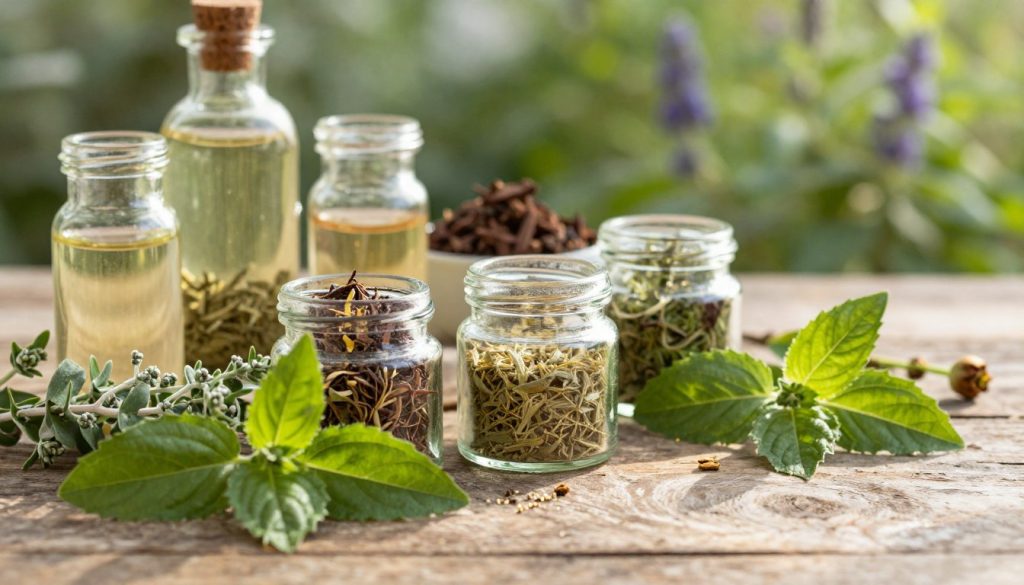
By understanding the science behind how these herbal remedies work, individuals can make informed choices about incorporating them into their stress management routine.
10 Powerful Herbs to Relieve Stress Naturally
The world of herbalism offers a diverse range of plants that can help mitigate the effects of stress on our bodies and minds. These natural remedies have been used for centuries to promote relaxation, improve mood, and enhance overall well-being.
Ashwagandha: The Ancient Adaptogen
Ashwagandha is renowned for its adaptogenic properties, helping the body to adapt to stress and promoting balance in the physiological response to stressors. Studies have shown that ashwagandha can reduce cortisol levels, improve sleep quality, and enhance cognitive function.
Recommended Forms and Dosages
Ashwagandha is available in various forms, including capsules, powders, and teas. The recommended dosage varies between 300-500 mg per day, depending on the specific product and individual needs.
Lavender: Beyond Pleasant Scents
Lavender is widely recognized for its calming effects, not just through its pleasant aroma but also through its therapeutic properties. Lavender oil can be used in aromatherapy to promote relaxation and reduce anxiety.
Chamomile: Nature’s Gentle Sedative
Chamomile has been used for centuries as a natural remedy for insomnia and anxiety. Its soothing effects on the nervous system make it an ideal herb for promoting a good night’s sleep.
Valerian Root: For Deep Relaxation and Sleep
Valerian root is a powerful herb that has been used to improve sleep quality and reduce stress. Its sedative properties help in promoting deep relaxation and alleviating insomnia.
Lemon Balm, Passionflower, and Holy Basil
Lemon balm, passionflower, and holy basil are other notable herbs used for stress relief. Lemon balm has a calming effect on the nervous system, passionflower is known for its anxiety-reducing properties, and holy basil is revered for its adaptogenic qualities.
Rhodiola, Kava, and California Poppy
Rhodiola is recognized for its ability to reduce mental fatigue and improve mental performance. Kava has been traditionally used to alleviate anxiety and promote relaxation. California poppy is known for its sedative effects, helping with sleep and stress relief.
These ten herbs offer a natural and effective way to manage stress and promote relaxation. By incorporating them into your daily routine, you can take a significant step towards achieving a more balanced and stress-free life.
How to Prepare Your Own Herbal Remedies at Home
With a few simple ingredients and some basic knowledge, you can start preparing your own herbal remedies to combat stress and anxiety. Herbal remedies offer a natural way to promote relaxation and improve overall well-being.
Step 1: Creating Effective Herbal Teas
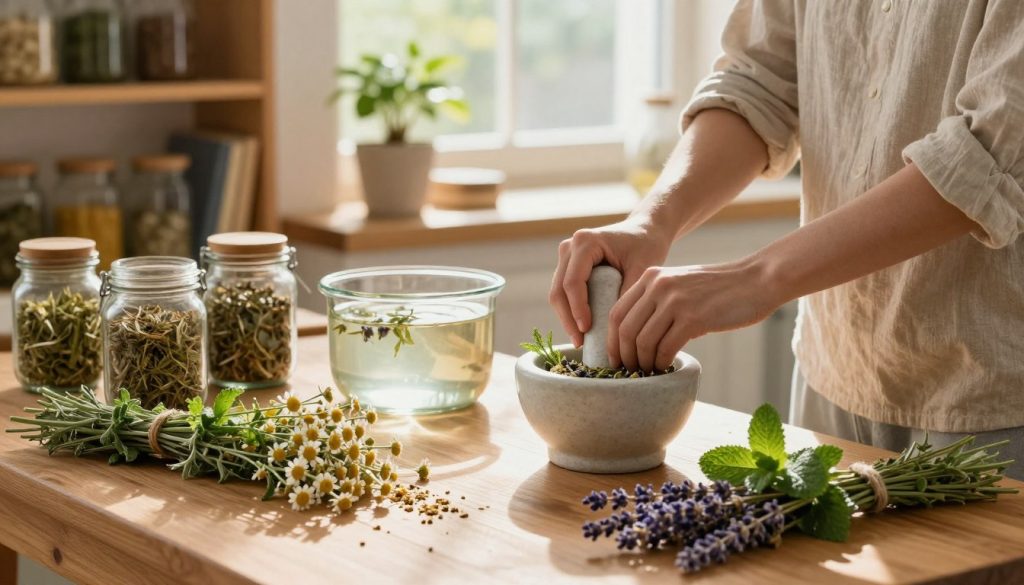
Herbal teas are one of the simplest ways to enjoy the benefits of herbs. To make an herbal tea, you’ll need dried or fresh herbs, hot water, and a tea infuser or strainer.
Single Herb vs. Blended Formulas
While single-herb teas can be very effective, blending different herbs can create a more complex and potentially more beneficial effect. For example, combining chamomile and lavender can enhance relaxation.
Step 2: Making Tinctures and Extracts
Tinctures are concentrated herbal extracts made by steeping herbs in a solvent, usually alcohol or glycerin. They offer a potent way to deliver herbal benefits.
Step 3: Crafting Herbal Bath Blends and Sachets
Herbal bath blends can be a relaxing and enjoyable way to unwind. Simply mix dried herbs with Epsom salts and essential oils for a soothing bath experience.
Step 4: Using Essential Oils for Aromatherapy
Essential oils can be used in aromatherapy to promote relaxation and reduce stress. Popular essential oils for stress relief include lavender, bergamot, and frankincense.
| Herb | Preparation Method | Benefit |
|---|---|---|
| Lavender | Tea, Tincture, Bath Blend | Promotes relaxation and improves sleep |
| Chamomile | Tea, Tincture | Soothes anxiety and promotes calmness |
| Valerian Root | Tincture, Tea | Improves sleep quality and reduces stress |
Creating a Daily Anti-Stress Herbal Protocol
A well-structured daily herbal routine can be a game-changer in combating stress and anxiety. By incorporating specific herbs at different times of the day, you can create a balanced protocol that supports your overall well-being.
Morning Routine: Energizing Without Stimulation
Starting your day with the right herbs can set a positive tone. Consider using adaptogenic herbs like Ashwagandha or Ginseng to boost energy without causing jitters.
Midday Stress-Busting Techniques
For midday stress relief, try incorporating herbal teas or tinctures that contain calming herbs like Chamomile or Lavender. These can help you stay focused and calm.
Evening Wind-Down Ritual for Better Sleep
As the day ends, an evening wind-down routine can prepare your body for restful sleep. This can include:
- Herbal teas like Chamomile or Peppermint
- A warm bath with herbal bath blends
- Relaxation techniques paired with herbs
Herbal Sleep Enhancers
Herbs like Valerian Root and Lavender are known for their sleep-enhancing properties. Incorporating these into your evening routine can significantly improve sleep quality.
Relaxation Techniques to Pair with Herbs
Pairing herbal remedies with relaxation techniques such as deep breathing or meditation can enhance their effectiveness. This holistic approach can lead to better stress management and overall well-being.
Safety Guidelines and Precautions for Herbal Use
As you explore the world of herbal remedies for stress relief, understanding the safety guidelines is paramount. While herbal remedies can be highly effective, their safe use requires knowledge and caution.
When to Consult a Healthcare Provider
Before starting any herbal remedy, it’s essential to consult with a healthcare provider, especially if you have pre-existing health conditions or are taking medications. Certain herbs can interact with medications or exacerbate health conditions. For instance, individuals with bleeding disorders should avoid herbs like garlic and ginger that may thin the blood.
Important Herb-Drug Interactions to Avoid
Some herbal remedies can interact with prescription medications, leading to adverse effects. For example:
- St. John’s Wort can reduce the effectiveness of antidepressants and certain other medications.
- Ginkgo biloba can interact with blood thinners, increasing the risk of bleeding.
Being aware of these interactions is crucial for safe herbal use.
How to Source High-Quality Herbal Products
Sourcing high-quality herbal products is vital for their effectiveness and safety. Consider the following factors:
Organic vs. Conventional
Opting for organic herbal products can reduce exposure to pesticides and other chemicals. However, both organic and conventional products can be effective if sourced from reputable suppliers.
Reputable Suppliers and Certifications
Look for products from suppliers that adhere to Good Manufacturing Practices (GMP) and have third-party certifications like NSF International or ConsumerLab.com. These certifications ensure the product’s quality and purity.
By following these guidelines, you can safely incorporate herbal remedies into your stress management routine, enhancing their benefits while minimizing risks.
Conclusion
As we’ve explored throughout this article, herbal remedies offer a natural and effective way to manage stress and promote relaxation. By understanding the impact of stress on our bodies and minds, we can better appreciate the benefits of turning to herbal solutions for relief.
From ashwagandha to lavender, and valerian root to lemon balm, the world of herbal remedies is rich with options to suit every need. By incorporating these herbs into our daily routines, whether through teas, tinctures, or aromatherapy, we can take significant steps towards achieving a more balanced lifestyle.
As you consider adopting herbal remedies for stress relief and relaxation, remember to consult with a healthcare provider, especially if you’re sourcing high-quality products or have specific health concerns. With the right approach, herbal remedies can be a powerful tool in your journey towards natural health and well-being.